Noodles VS Boiled Buckwheat
A detailed nutritional comparison
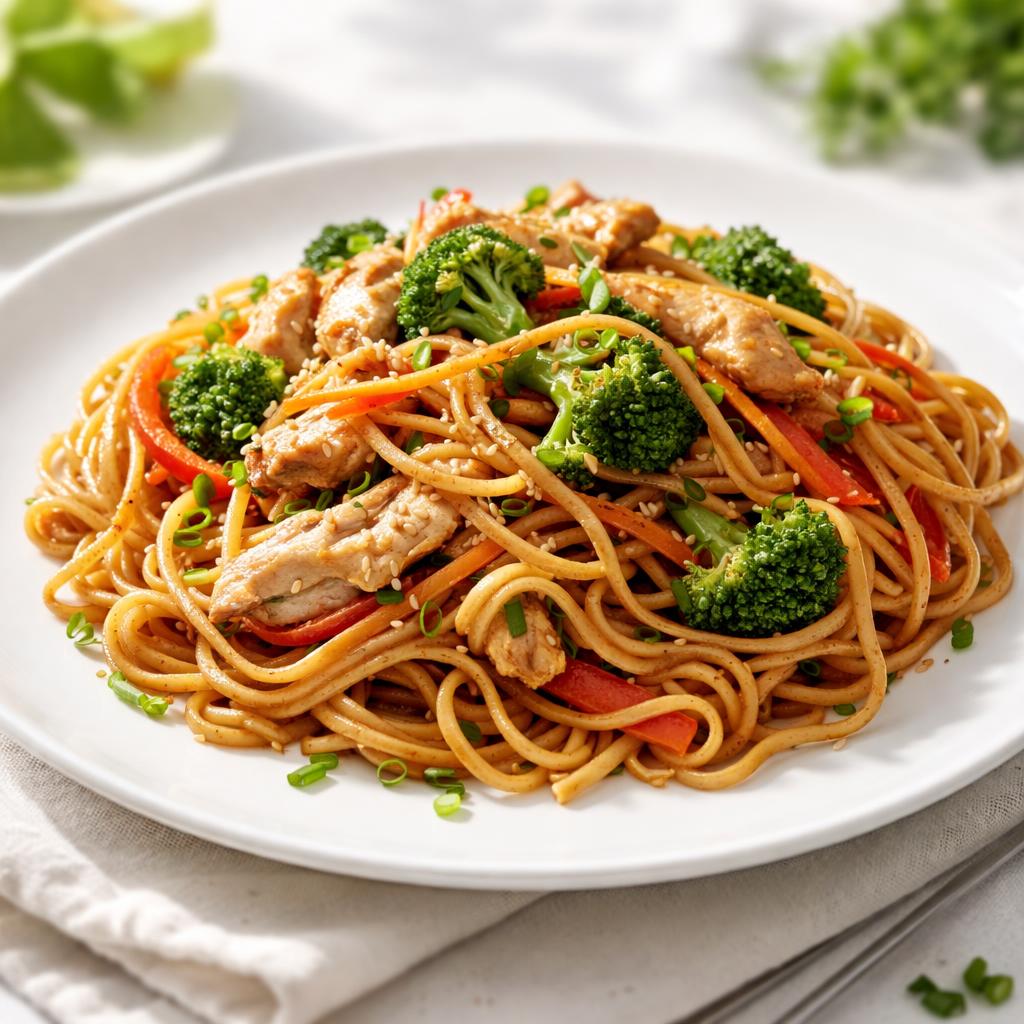
Noodles
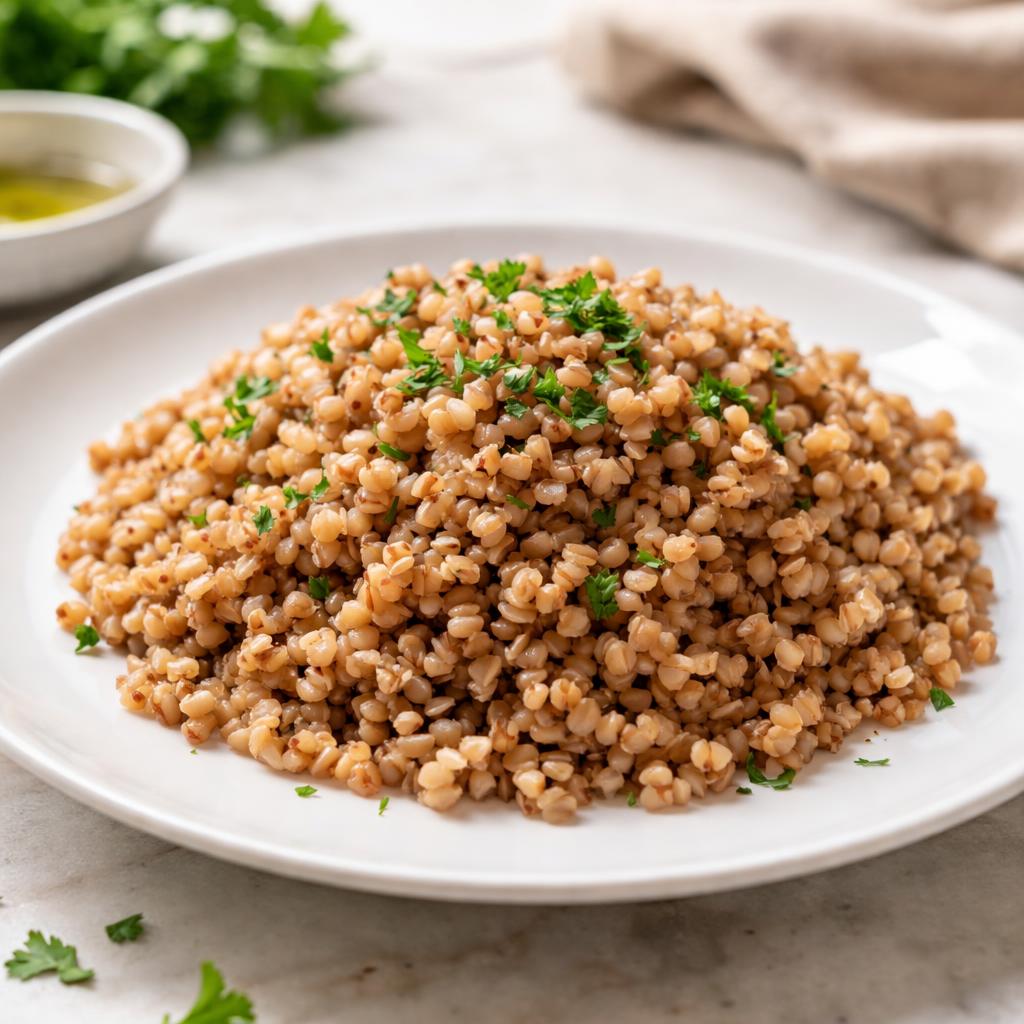
Boiled Buckwheat
🎯 Quick Verdict
Boiled buckwheat is significantly more nutrient-dense than noodles, offering higher protein (5.7g vs 3.5g per serving) and fiber (4.5g vs 1.2g per serving), while also being lower in calories (120 vs 190 per serving). Noodles, on the other hand, may be better for quick energy due to their higher carbohydrate content. Buckwheat is ideal for weight loss and sustained energy, while noodles suit high-carb meals or cheat days.

Smart Nutrition Tracking with SnapCalorie

📊 Nutritional Comparison
Macronutrients
| Nutrient | Food 1 | Food 2 | Winner |
|---|---|---|---|
| Calories | 190 | 120 | ✓ |
| Protein | 3.5g | 5.7g | ✓ |
| Carbs | 37g | 21g | ✓ |
| Fat | 1.1g | 1g | − |
| Fiber | 1.2g | 4.5g | ✓ |
Vitamins & Minerals
| Nutrient | Food 1 | Food 2 | Winner |
|---|---|---|---|
| Vitamin B6 | 0.02mg | 0.21mg | ✓ |
| Magnesium | 7mg | 86mg | ✓ |
| Iron | 0.5mg | 2.2mg | ✓ |
🏆 Category Winners
Protein
Buckwheat has 63% more protein than noodles per serving.
Fiber
Buckwheat has nearly 4 times the fiber content of noodles.
Calories
Buckwheat is 37% lower in calories than noodles.
Vitamins
Buckwheat provides significantly more magnesium, iron, and vitamin B6.
🥗 Diet Compatibility
Keto
Food 1: Not Compatible
Food 2: Not Compatible
Both are too high in carbs for ketogenic diets.
Vegan
Food 1: Compatible
Food 2: Compatible
Both are plant-based foods.
Gluten Free
Food 1: Not Compatible
Food 2: Compatible
Buckwheat is naturally gluten-free, but noodles typically contain gluten.
Paleo
Food 1: Not Compatible
Food 2: Compatible
Buckwheat aligns with paleo principles whereas noodles do not.
Low-Carb
Food 1: Not Compatible
Food 2: Not Compatible
Both foods exceed typical low-carb thresholds.
💪 Health Benefits Comparison
Food 1 Benefits
- Provides quick energy due to high carb content
- Low in fat, making it suitable for lower-fat diets
- Easily digestible for sensitive stomachs
Food 2 Benefits
- Rich in protein to support satiety and muscle health
- High in fiber, aiding digestion and gut health
- Good source of iron and magnesium for energy and bone health
- Free of gluten, suitable for individuals with gluten intolerance
✅ The Bottom Line
Choose boiled buckwheat when seeking a nutrient-dense, high-protein, and high-fiber option that supports satiety and overall health. Opt for noodles when quick energy or a comfort food is needed. Buckwheat is better for weight loss and gluten-free or paleo diets, while noodles work well in high-carb or low-fat meal plans.
Choose Food 1 for: Quick meals, high-carb diets, comfort food
Choose Food 2 for: Weight loss, nutrient density, gluten-free diets


