Milk VS Chocolate Bar
A detailed nutritional comparison
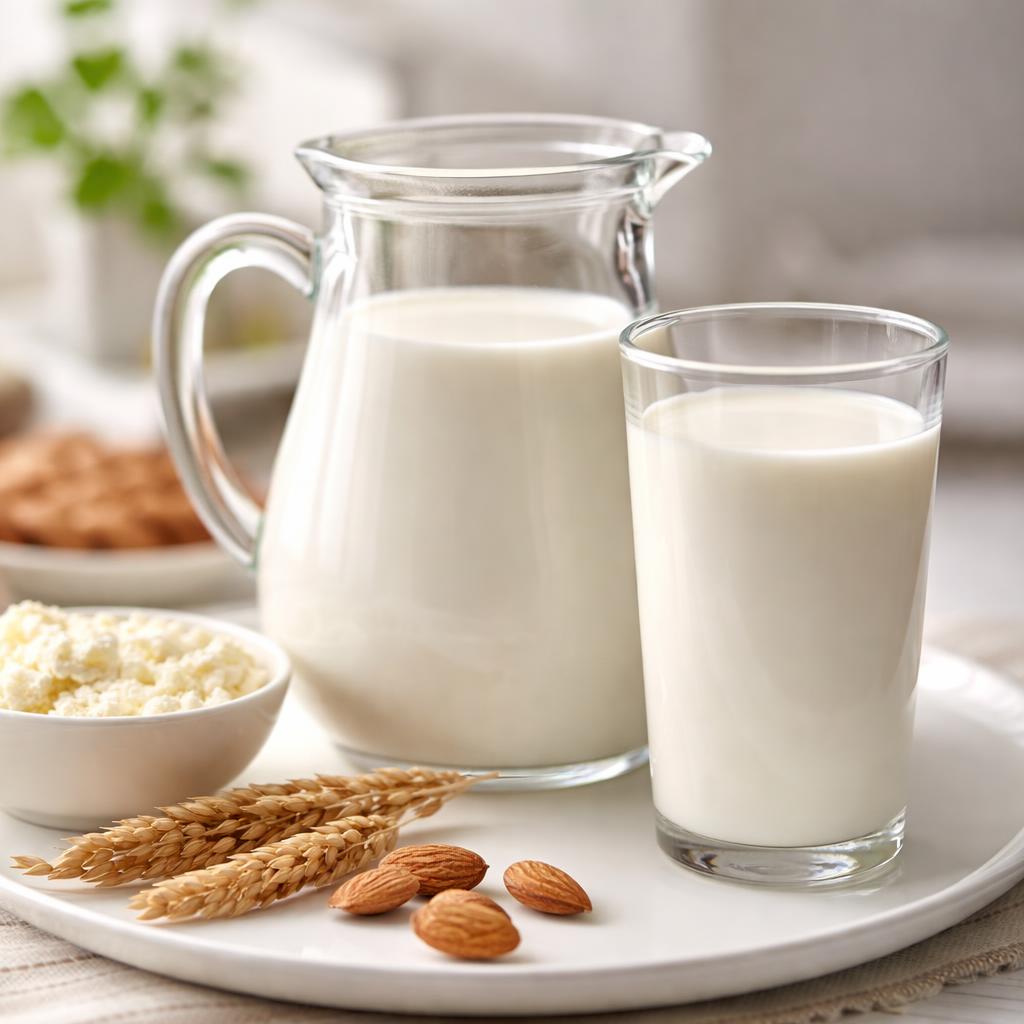
Milk
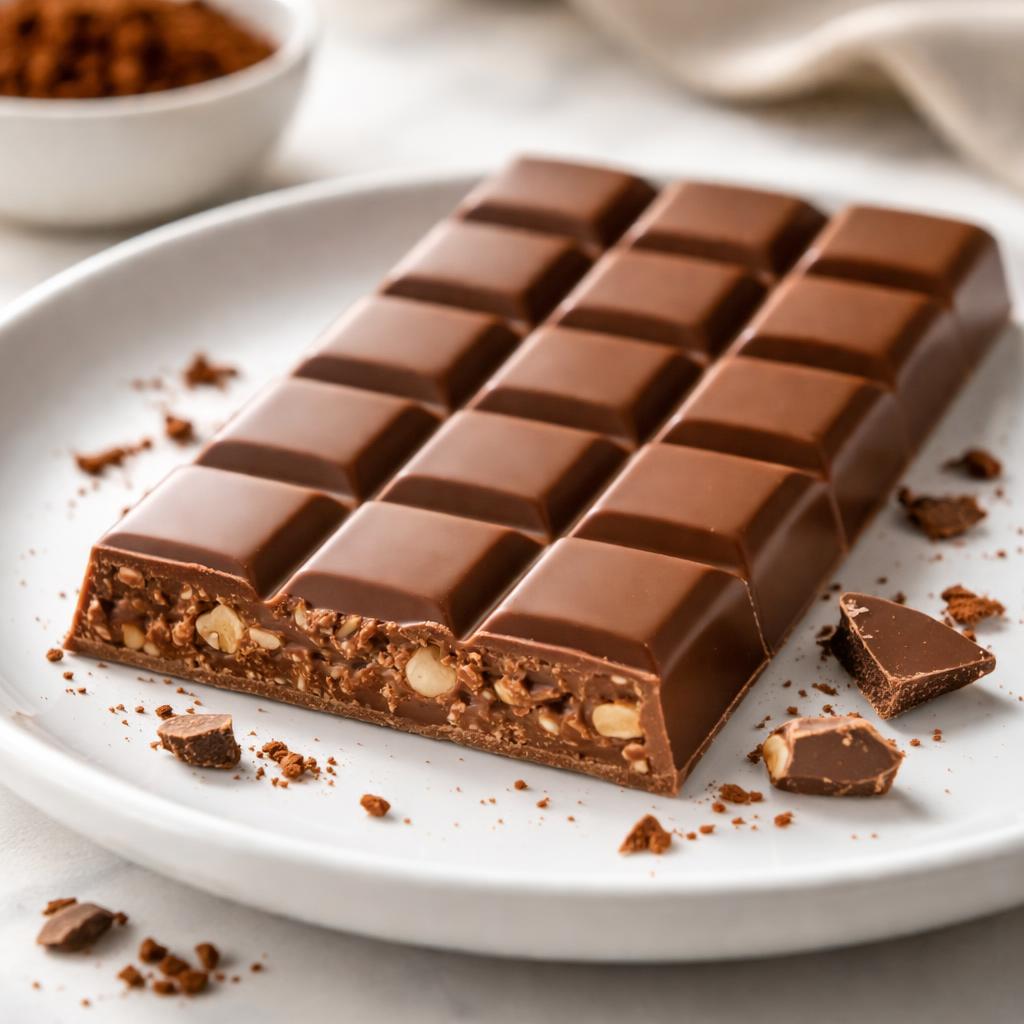
Chocolate Bar
🎯 Quick Verdict
Milk and chocolate bars offer vastly different nutritional profiles. Milk is lower in calories, higher in protein, and provides essential vitamins and minerals like calcium and vitamin D, making it ideal for muscle maintenance and bone health. Chocolate bars are higher in sugar, fat, and calories but provide quick energy and antioxidants, making them more suitable as an occasional indulgence or energy boost.

Smart Nutrition Tracking with SnapCalorie

📊 Nutritional Comparison
Macronutrients
| Nutrient | Food 1 | Food 2 | Winner |
|---|---|---|---|
| Calories | 103 | 230 | ✓ |
| Protein | 8g | 2g | ✓ |
| Carbs | 12g | 25g | ✓ |
| Fat | 2.4g | 14g | ✓ |
| Fiber | 0g | 1g | − |
Vitamins & Minerals
| Nutrient | Food 1 | Food 2 | Winner |
|---|---|---|---|
| Vitamin D | 2.4mcg | 0mcg | ✓ |
| Calcium | 300mg | 40mg | ✓ |
| Iron | 0mg | 1.7mg | ✓ |
🏆 Category Winners
Protein
Milk contains four times more protein than a chocolate bar.
Fiber
Both foods are low in fiber, with chocolate bars providing 1g compared to milk's 0g.
Calories
Milk has less than half the calories of a typical chocolate bar.
Vitamins
Milk is rich in vitamin D and calcium, which are absent or present in very small amounts in chocolate bars.
🥗 Diet Compatibility
Keto
Food 1: Not Compatible
Food 2: Not Compatible
Both foods contain too many carbs for a keto diet.
Vegan
Food 1: Not Compatible
Food 2: Compatible
Milk is an animal product, whereas chocolate bars can be vegan if made without dairy.
Gluten Free
Food 1: Compatible
Food 2: Depends
Milk is naturally gluten-free, while chocolate bars should be checked for added gluten-containing ingredients.
Paleo
Food 1: Not Compatible
Food 2: Not Compatible
Neither milk nor heavily processed chocolate bars align with paleo diet principles.
Low Carb
Food 1: Not Compatible
Food 2: Not Compatible
Milk and chocolate bars both exceed carb limits for low-carb diets.
💪 Health Benefits Comparison
Food 1 Benefits
- Rich source of calcium for strong bones and teeth
- Provides protein for muscle maintenance
- Contains vitamin D for improved calcium absorption and immune support
- Low in fat compared to other full-fat dairy options
Food 2 Benefits
- Contains antioxidants, particularly flavonoids, for heart health
- Source of quick energy due to higher sugar content
- Small amounts of iron for oxygen transport
- Provides healthy fats if made from quality cocoa butter
✅ The Bottom Line
Milk is a nutrient-dense option that supports muscle building, bone health, and overall dietary balance, making it better for regular consumption. Chocolate bars are a high-calorie treat best enjoyed occasionally for quick energy or as a sweet indulgence. Choose milk for sustained nutrition and chocolate bars for a quick energy boost or dessert option.
Choose Food 1 for: Bone health, muscle-building diets, general nutrition
Choose Food 2 for: Quick bursts of energy, occasional dessert, mental satisfaction


