Mexican Rice VS Spicy Rice
A detailed nutritional comparison
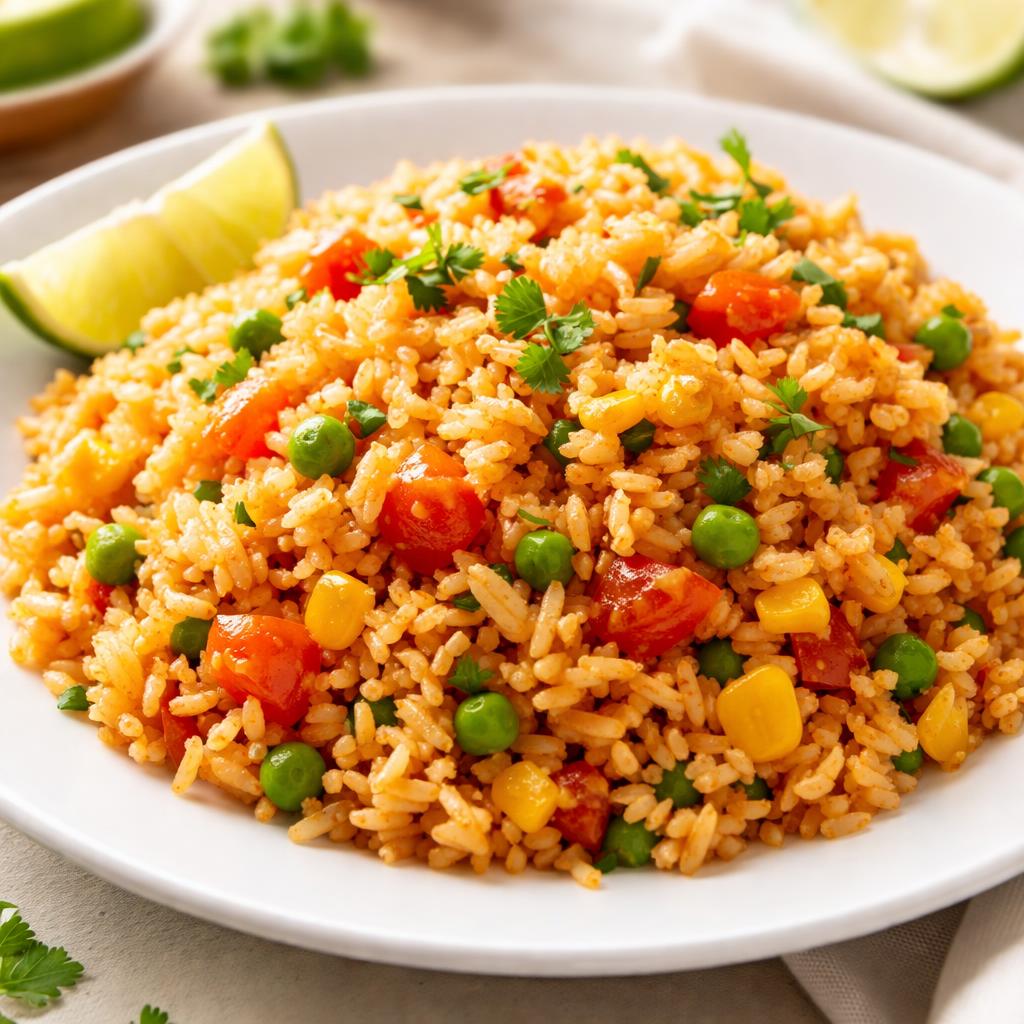
Mexican Rice
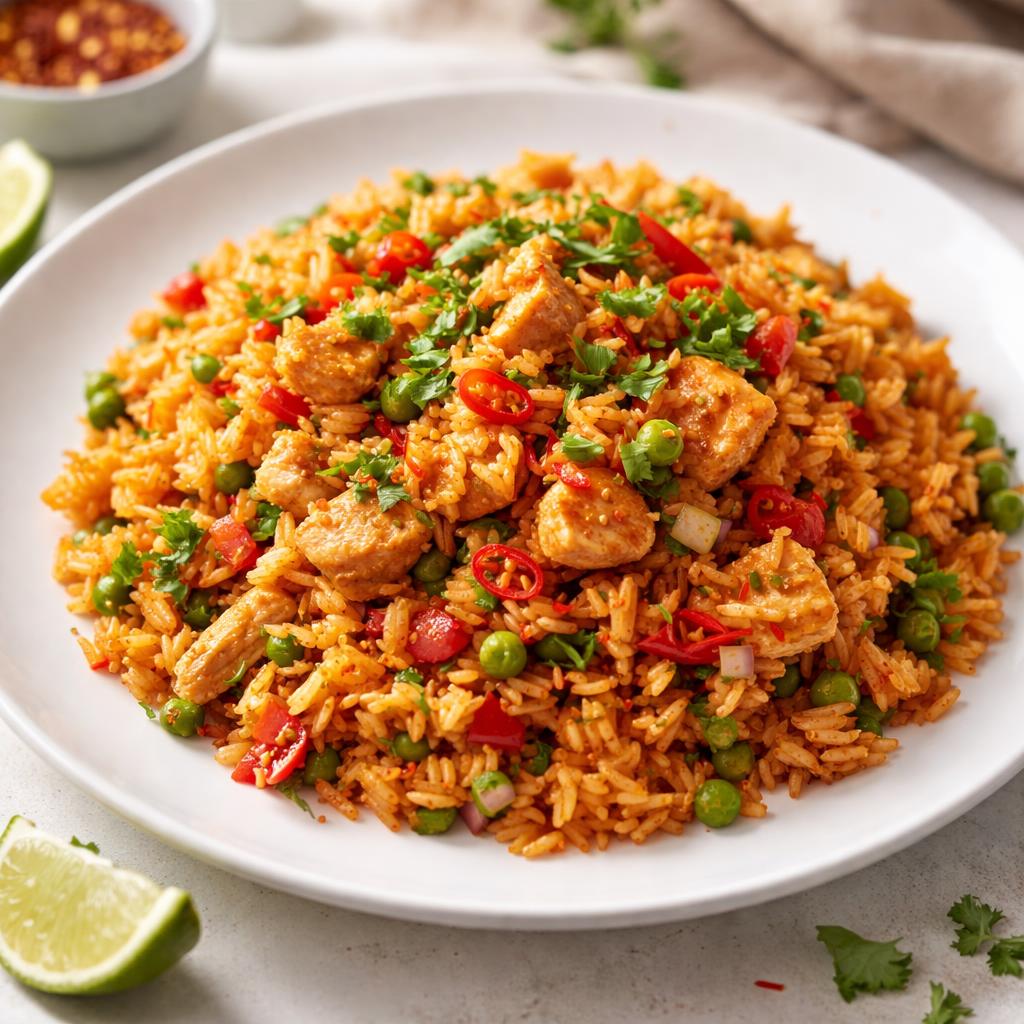
Spicy Rice
🎯 Quick Verdict
Mexican rice is lower in calories and higher in fiber, making it a better choice for weight management and digestion support. Spicy rice offers slightly more protein, making it ideal for those focused on muscle maintenance. Both are flavorful and versatile rice dishes, but their nutritional profiles cater to different dietary goals.

Smart Nutrition Tracking with SnapCalorie

📊 Nutritional Comparison
Macronutrients
| Nutrient | Food 1 | Food 2 | Winner |
|---|---|---|---|
| Calories | 210 | 250 | ✓ |
| Protein | 4g | 5g | ✓ |
| Carbs | 44g | 48g | ✓ |
| Fat | 3g | 4g | ✓ |
| Fiber | 2.5g | 1.5g | ✓ |
Vitamins & Minerals
| Nutrient | Food 1 | Food 2 | Winner |
|---|---|---|---|
| Vitamin A | 50IU | 40IU | ✓ |
| Vitamin C | 3mg | 2mg | ✓ |
| Iron | 1.8mg | 2mg | ✓ |
🏆 Category Winners
Protein
Spicy rice has 25% more protein content per serving.
Fiber
Mexican rice offers 40% more fiber, aiding digestion.
Calories
Mexican rice contains 16% fewer calories.
Vitamins
Mexican rice provides slightly more Vitamin A and C overall.
🥗 Diet Compatibility
Keto
Food 1: Not Compatible
Food 2: Not Compatible
Both are high in carbs.
Vegan
Food 1: Compatible
Food 2: Compatible
Neither contains animal products.
Gluten Free
Food 1: Compatible
Food 2: Compatible
Rice is naturally gluten-free in both dishes.
Paleo
Food 1: Not Compatible
Food 2: Not Compatible
Rice is not allowed in a strict paleo diet.
Low Carb
Food 1: Not Compatible
Food 2: Not Compatible
Both foods are high in carbohydrate content.
💪 Health Benefits Comparison
Food 1 Benefits
- Lower calorie count supports weight management
- Higher fiber content improves digestion
- Rich in Vitamin A and C for better immunity
Food 2 Benefits
- Higher protein aids muscle growth and repair
- Provides a small amount of iron for combating fatigue
- Spices may offer antioxidant and anti-inflammatory benefits
✅ The Bottom Line
Choose Mexican rice for weight and digestion-focused meals, thanks to its lower calories and higher fiber. Opt for spicy rice when you need a slightly higher protein option and enjoy a bolder flavor profile. Both are versatile sides suitable for varied diets, with Mexican rice edging ahead for overall health benefits.
Choose Food 1 for: Weight management, digestion, immunity support
Choose Food 2 for: Muscle maintenance, bold flavor for spice lovers


