Lettuce VS Ranch Dressing
A detailed nutritional comparison
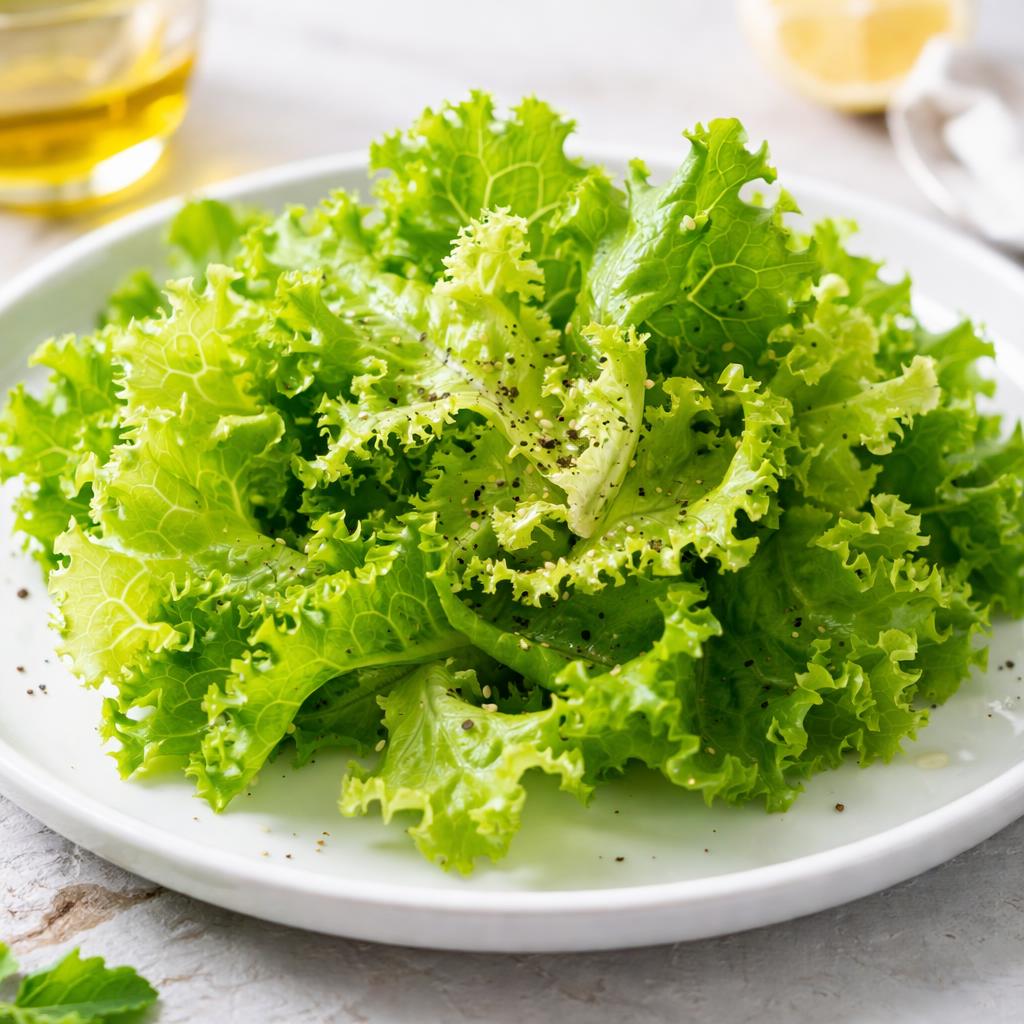
Lettuce
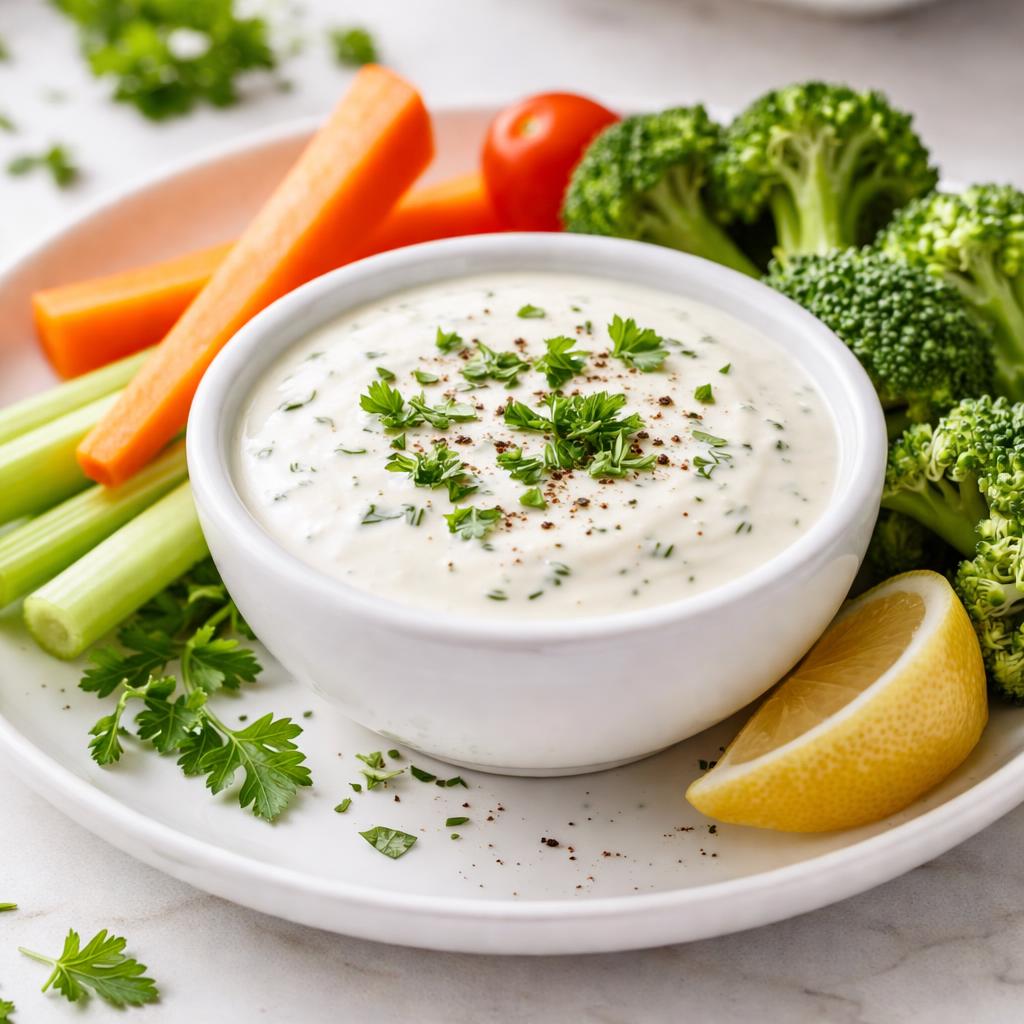
Ranch Dressing
🎯 Quick Verdict
Lettuce is a low-calorie, nutrient-rich vegetable that offers fiber, vitamins, and minerals, while ranch dressing is calorie-dense and primarily a source of fat with minimal micronutrient content. Lettuce is ideal for weight loss and nutrient density, while ranch dressing provides flavor and fat for energy but should be consumed in moderation due to its high calorie count.

Smart Nutrition Tracking with SnapCalorie

📊 Nutritional Comparison
Macronutrients
| Nutrient | Food 1 | Food 2 | Winner |
|---|---|---|---|
| Calories | 15 per 100g | 145 per 2 tbsp (30g) | − |
| Protein | 1g per 100g | 1g per 30g | − |
| Carbs | 2g per 100g | 1g per 30g | − |
| Fat | 0.2g per 100g | 14g per 30g | − |
| Fiber | 1g per 100g | 0g per 30g | − |
Vitamins & Minerals
| Nutrient | Food 1 | Food 2 | Winner |
|---|---|---|---|
| Vitamin A | 2600 IU per 100g | 100 IU per 30g | − |
| Vitamin C | 9mg per 100g | 0mg per 30g | − |
| Calcium | 35mg per 100g | 20mg per 30g | − |
🏆 Category Winners
Protein
Both foods contain nearly the same protein per serving.
Fiber
Lettuce provides 1g of fiber per 100g while ranch dressing contains none.
Calories
Lettuce is extremely low in calories at just 15 kcal per 100g, compared to 145 kcal per 2 tbsp (30g) of ranch dressing.
Vitamins
Lettuce is significantly higher in vitamins such as A and C, making it a more nutrient-dense choice.
🥗 Diet Compatibility
Keto
Food 1: Compatible
Food 2: Compatible
Both foods are low in carbohydrates, making them suitable for keto diets.
Vegan
Food 1: Compatible
Food 2: Not Compatible
Lettuce is entirely plant-based, while ranch dressing often contains dairy ingredients.
Gluten Free
Food 1: Compatible
Food 2: Compatible
Neither food contains gluten.
Paleo
Food 1: Compatible
Food 2: Not Compatible
Lettuce fits Paleo guidelines, but ranch dressing may contain processed ingredients or sugars.
Low Carb
Food 1: Compatible
Food 2: Compatible
Both options are low in carbs, but ranch dressing is much higher in calories due to its fat content.
💪 Health Benefits Comparison
Food 1 Benefits
- Supports weight loss due to low calorie content
- Provides Vitamin A for eye health
- Contains Vitamin C for immune system support
- Offers dietary fiber for improved digestion
Food 2 Benefits
- Provides healthy fats for energy
- Can improve palatability of healthy meals
- Source of calcium for bone health (though minimal)
- Adds flavor and satisfaction
✅ The Bottom Line
Choose lettuce for weight loss, nutrient density, and a high-volume food for filling meals. Ranch dressing is best used in moderation to add flavor and fat to dishes without overwhelming your calorie intake.
Choose Food 1 for: Low-calorie meals, nutrient-dense diets, high-fiber needs
Choose Food 2 for: Adding flavor, increasing fat intake, occasional treats


