Lettuce VS Quinoa
A detailed nutritional comparison
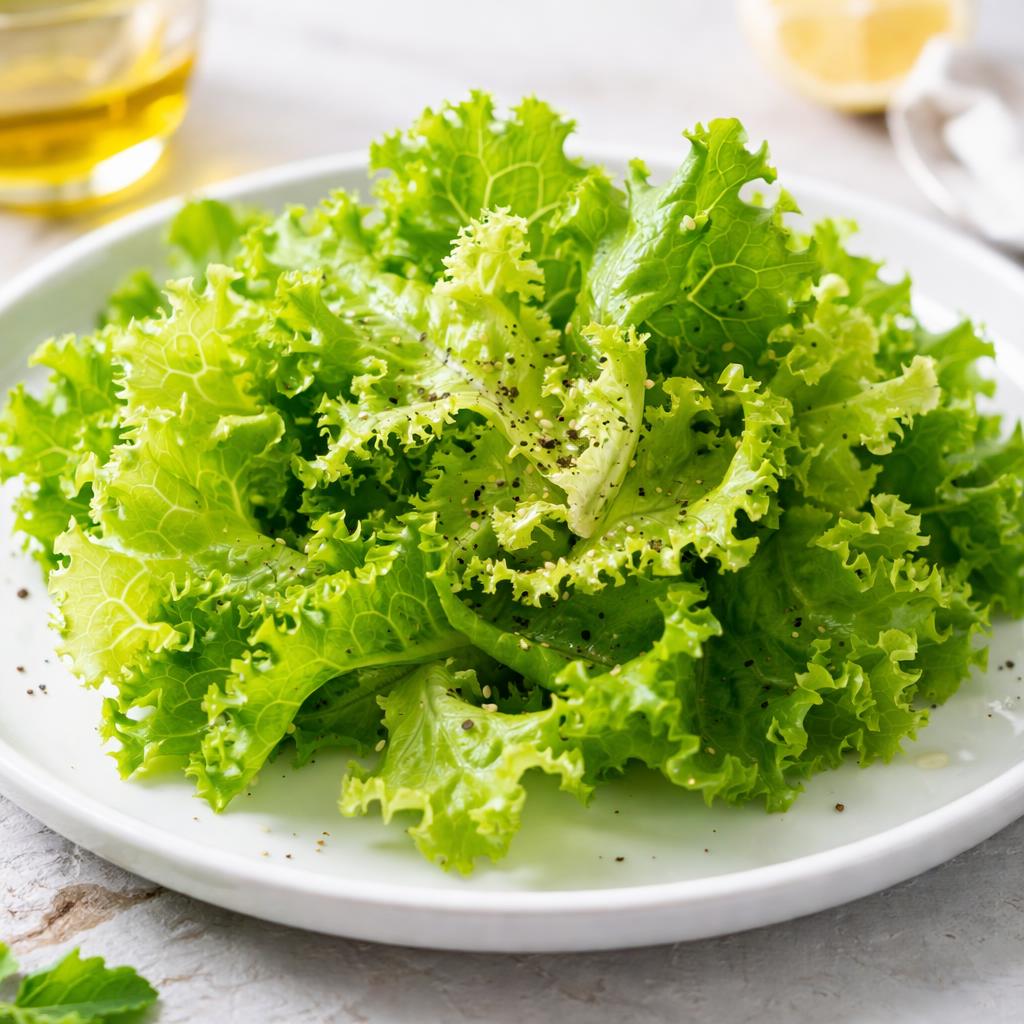
Lettuce
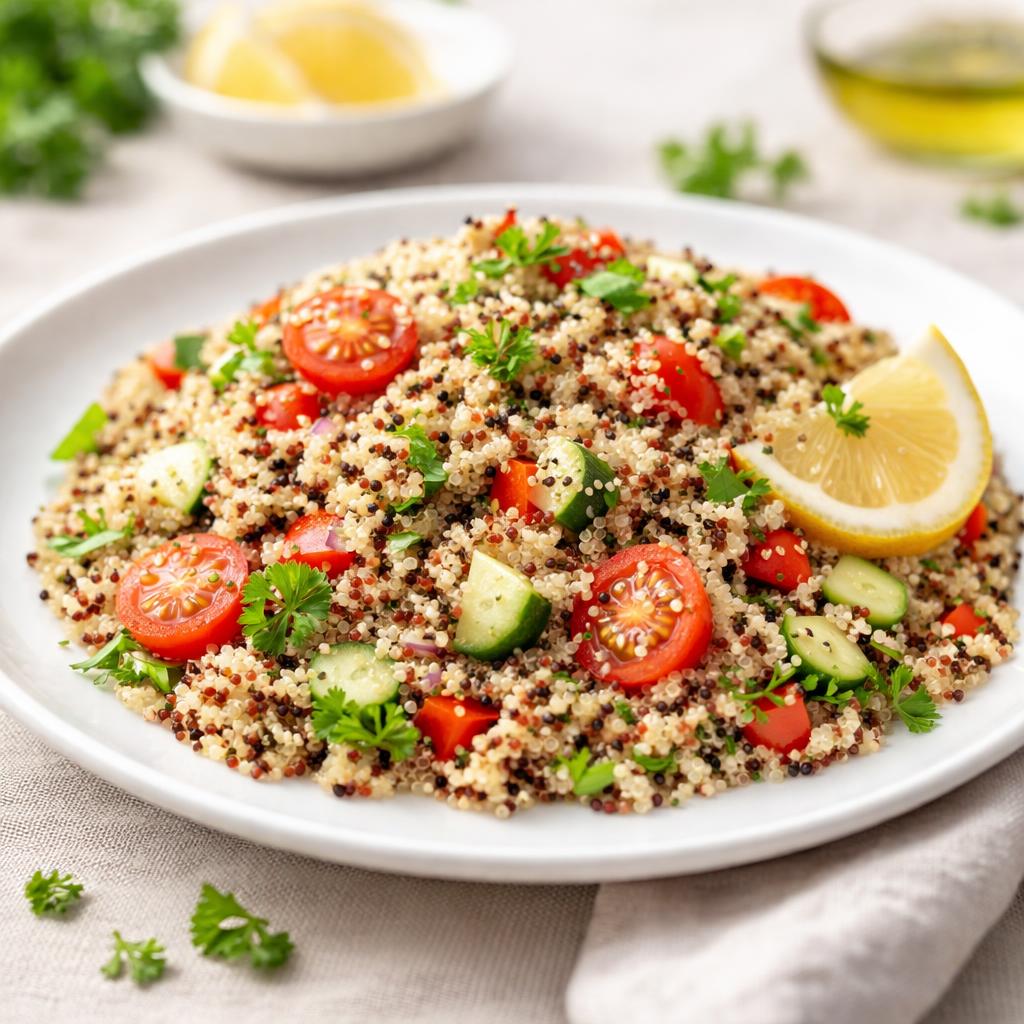
Quinoa
🎯 Quick Verdict
Lettuce is a low-calorie, nutrient-light food ideal for weight loss and volume eating, while quinoa is a nutrient-dense grain packed with protein, fiber, and essential vitamins. Lettuce is best for calorie-conscious diets, whereas quinoa provides more energy and sustenance, suitable for higher activity levels or balanced meals.

Smart Nutrition Tracking with SnapCalorie

📊 Nutritional Comparison
Macronutrients
| Nutrient | Food 1 | Food 2 | Winner |
|---|---|---|---|
| Calories | 15 | 120 | ✓ |
| Protein | 1g | 4g | ✓ |
| Carbs | 2g | 21g | ✓ |
| Fat | 0.1g | 2g | ✓ |
| Fiber | 1g | 2.5g | ✓ |
Vitamins & Minerals
| Nutrient | Food 1 | Food 2 | Winner |
|---|---|---|---|
| Vitamin C | 6mg | 0mg | ✓ |
| Vitamin A | 500 IU | 0 IU | ✓ |
| Iron | 0.3mg | 1.4mg | ✓ |
| Magnesium | 3mg | 30mg | ✓ |
🏆 Category Winners
Protein
Quinoa contains 300% more protein than lettuce per serving.
Fiber
Quinoa has 2.5x the fiber, aiding digestion and satiety.
Calories
Lettuce has only 15 calories per serving, making it extremely light.
Vitamins
Lettuce provides notable levels of vitamin C and A, unlike quinoa.
🥗 Diet Compatibility
Keto
Food 1: Compatible
Food 2: Not Compatible
Lettuce is low-carb (<2g per serving), quinoa is higher in carbs (21g).
Vegan
Food 1: Compatible
Food 2: Compatible
Both foods are naturally plant-based.
Gluten Free
Food 1: Compatible
Food 2: Compatible
Neither food contains gluten.
Paleo
Food 1: Compatible
Food 2: Not Compatible
Quinoa is a grain, which is typically excluded in strict paleo diets.
Low Carb
Food 1: Compatible
Food 2: Not Compatible
Lettuce is significantly lower in carbohydrates.
💪 Health Benefits Comparison
Food 1 Benefits
- Very low-calorie option for weight loss
- High water content for hydration
- Good source of vitamin C and A for immune and eye health
- Low glycemic index for stable blood sugar
Food 2 Benefits
- Complete protein source for muscle repair
- Rich in fiber for digestion and satiety
- Contains iron and magnesium for energy production and bone health
- Offers sustained energy due to its complex carbohydrate content
✅ The Bottom Line
Lettuce is ideal for very low-calorie diets or as a nutrient-light addition to meals, while quinoa is better for balanced diets where protein, fiber, and energy are priorities. Use lettuce for volume eating or calorie reduction, and quinoa for sustainable energy and nutrient density.
Choose Food 1 for: Weight loss, hydrating salads, low-carb diets
Choose Food 2 for: Active lifestyles, nutrient-packed meals, plant-based protein needs


