Lettuce VS Olive
A detailed nutritional comparison
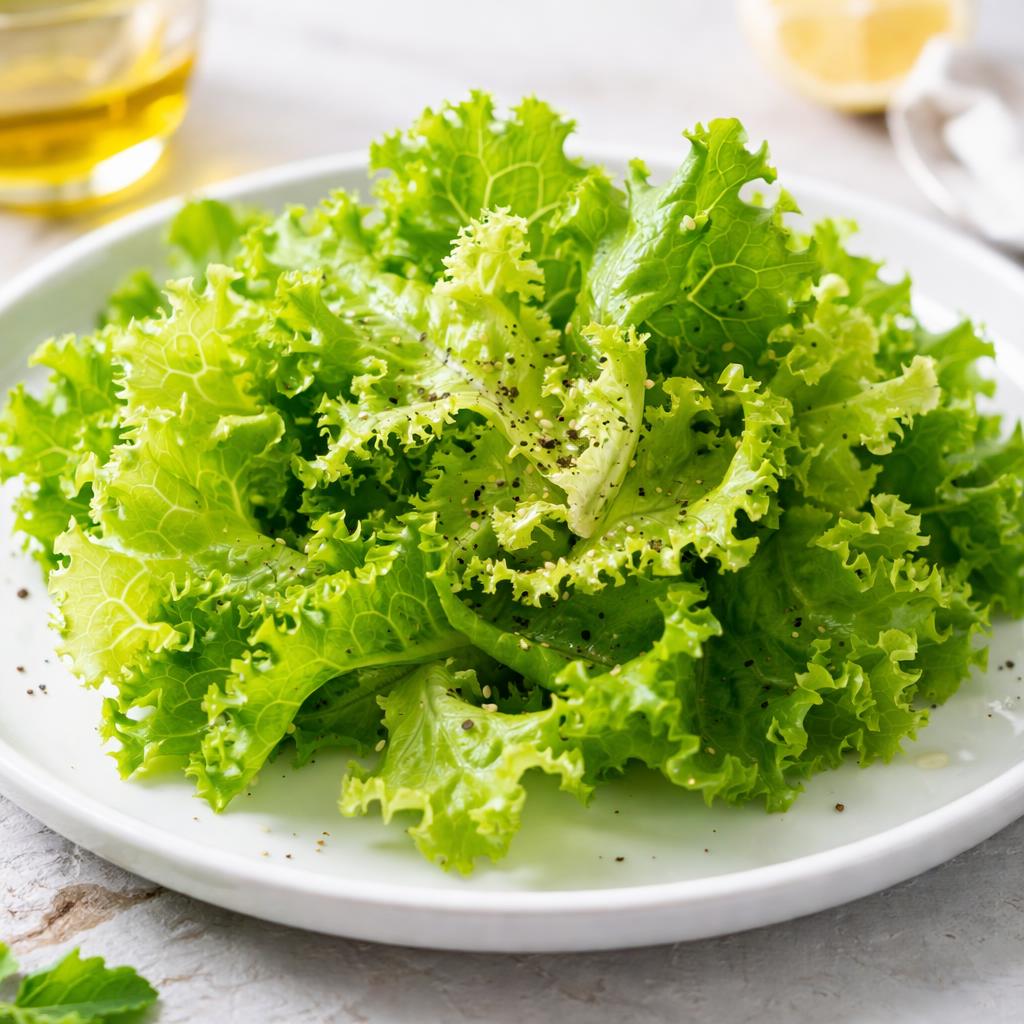
Lettuce
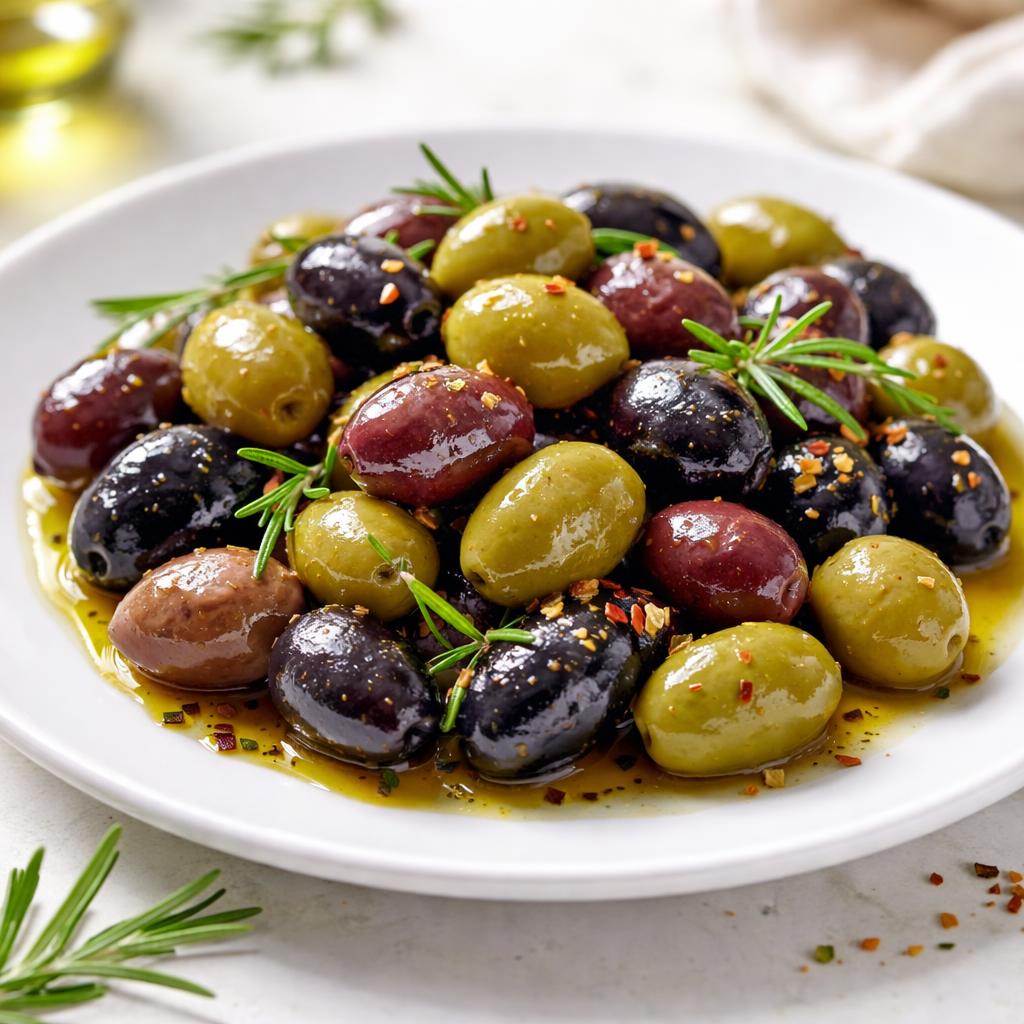
Olive
🎯 Quick Verdict
Lettuce and olives serve very different dietary purposes. Lettuce is extremely low-calorie, high in fiber, and provides minimal fat, making it great for weight-loss plans. Olives, on the other hand, are calorie-dense and rich in healthy fats, supporting heart health and energy needs. Use lettuce for lighter meals and olives as a flavorful fat source or snack option.

Smart Nutrition Tracking with SnapCalorie

📊 Nutritional Comparison
Macronutrients
| Nutrient | Food 1 | Food 2 | Winner |
|---|---|---|---|
| Calories | 15 (per 100g) | 115 (per 100g) | − |
| Protein | 0.9g | 0.8g | − |
| Carbs | 2.9g | 6g | − |
| Fat | 0.2g | 11g | − |
| Fiber | 1.3g | 0.5g | − |
Vitamins & Minerals
| Nutrient | Food 1 | Food 2 | Winner |
|---|---|---|---|
| Vitamin C | 9mg | 0mg | − |
| Vitamin K | 60mcg | 1.4mcg | − |
| Iron | 0.3mg | 0.6mg | − |
| Calcium | 18mg | 88mg | − |
🏆 Category Winners
Protein
Lettuce has slightly more protein per serving.
Fiber
Lettuce contains over twice the fiber compared to olives.
Calories
Lettuce is extremely low-calorie, at 15 calories per 100g compared to 115 calories for olives.
Vitamins
Lettuce outshines olives in key vitamins like Vitamin C and K.
🥗 Diet Compatibility
Keto
Food 1: Compatible
Food 2: Compatible
Both are low-carb options, but olives are higher in fat, making them better for keto.
Vegan
Food 1: Compatible
Food 2: Compatible
Both are plant-based foods and suited for vegan diets.
Gluten Free
Food 1: Compatible
Food 2: Compatible
Neither food contains gluten.
Paleo
Food 1: Compatible
Food 2: Compatible
Both are whole, natural foods and fit within a paleo framework.
Low-Carb
Food 1: Compatible
Food 2: Compatible
Both are low in carbohydrates, though lettuce is lower overall.
💪 Health Benefits Comparison
Food 1 Benefits
- Extremely low-calorie for weight management
- Rich in fiber, supporting digestion
- High in Vitamin C for immune system function
- Contains Vitamin K, beneficial for bone health
Food 2 Benefits
- Rich in healthy fats for heart health
- Provides calcium for bone strength
- Includes iron for oxygen transport in the body
- Contains antioxidants that help fight inflammation
✅ The Bottom Line
Choose lettuce for light, calorie-conscious meals or as a base for salads, especially if you're focusing on weight loss and fiber intake. Opt for olives when you need a concentrated source of healthy fats and nutrients, perfect for snacks or flavor additions in Mediterranean-style cooking.
Choose Food 1 for: Weight loss, fiber intake, low-calorie diets
Choose Food 2 for: Heart health, energy boosts, Mediterranean diets


