Lettuce VS Meat
A detailed nutritional comparison
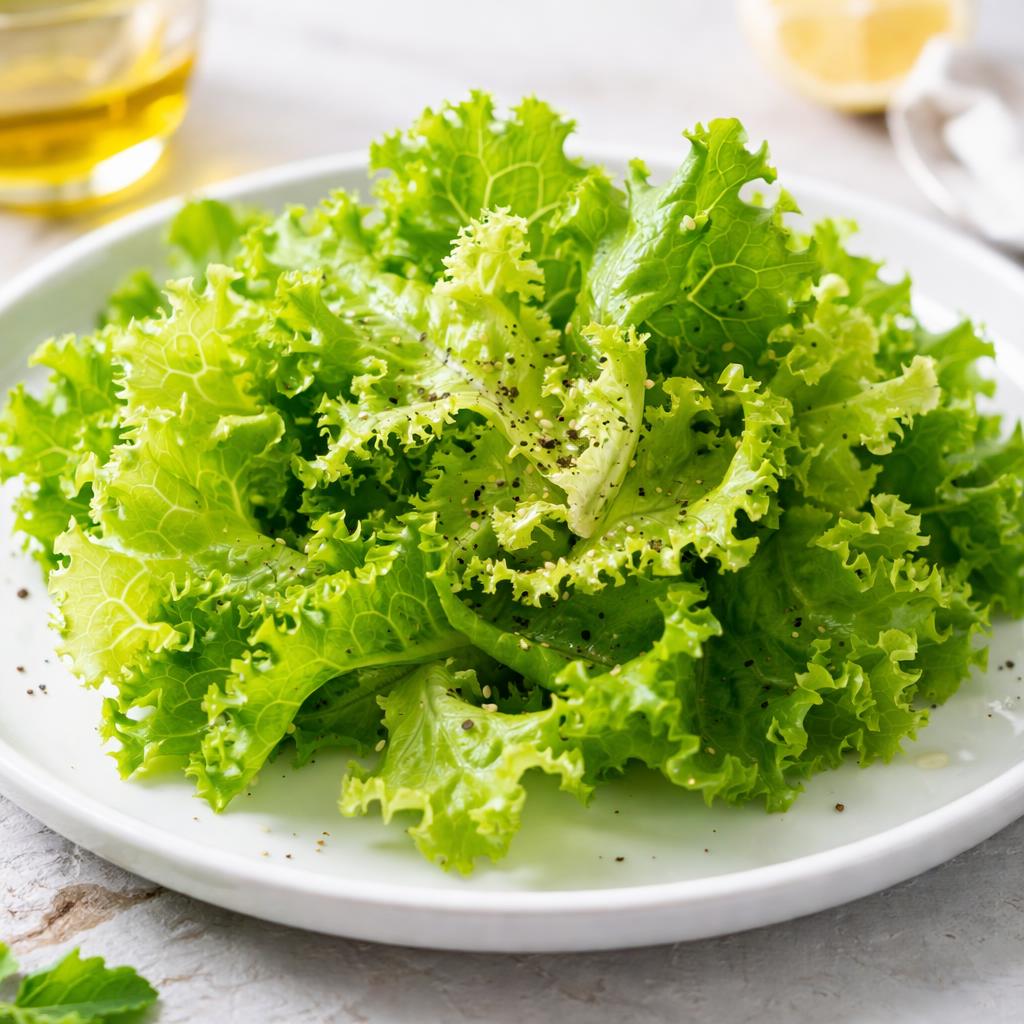
Lettuce
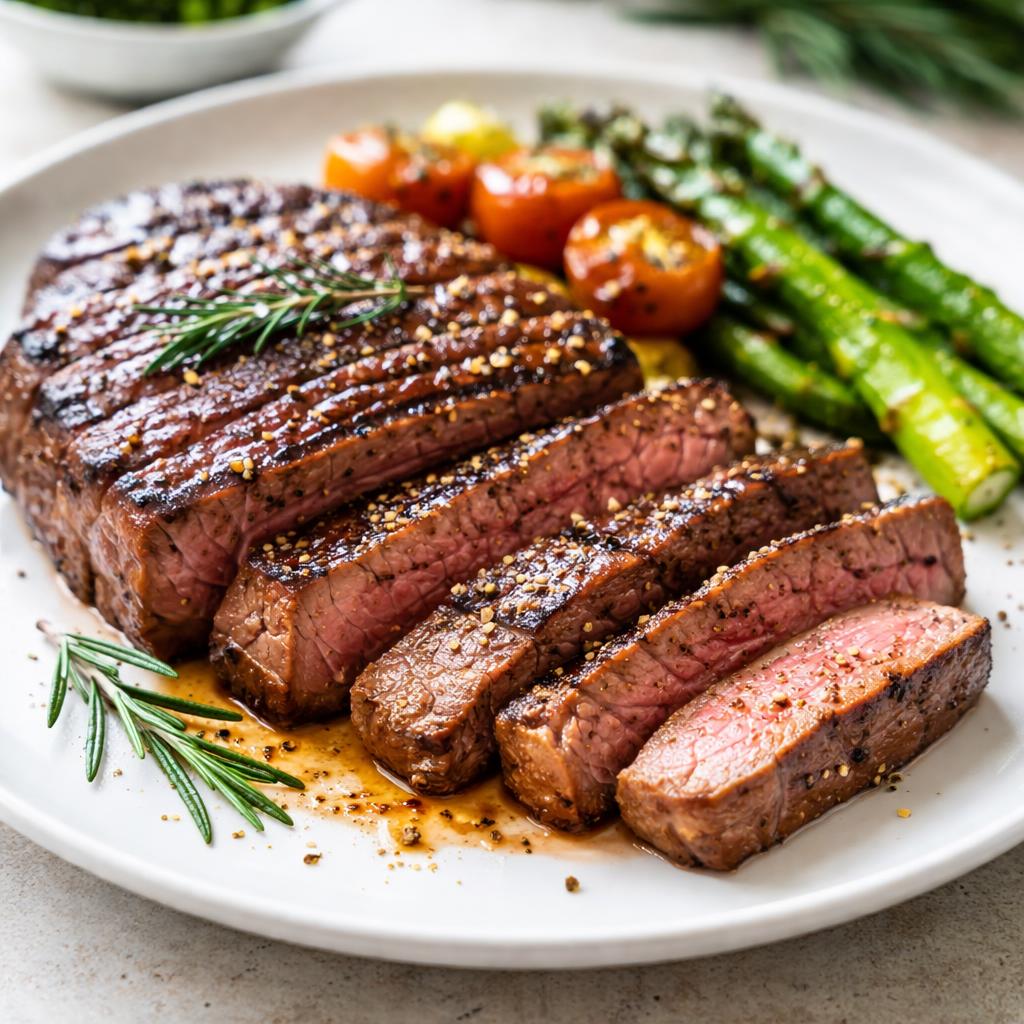
Meat
🎯 Quick Verdict
Meat is vastly superior for protein intake, with 25-30g per serving compared to lettuce's negligible protein content. Lettuce is a better choice for low-calorie diets, with only 15 calories per serving versus meat's 250-300 calories. Lettuce is also rich in fiber, while meat contributes essential vitamins like B12 and iron for overall health support.

Smart Nutrition Tracking with SnapCalorie

📊 Nutritional Comparison
Macronutrients
| Nutrient | Food 1 | Food 2 | Winner |
|---|---|---|---|
| Calories | 15 | 250 | ✓ |
| Protein | 1g | 25g | ✓ |
| Carbs | 3g | 0g | ✓ |
| Fat | 0g | 15g | ✓ |
| Fiber | 1g | 0g | ✓ |
Vitamins & Minerals
| Nutrient | Food 1 | Food 2 | Winner |
|---|---|---|---|
| Vitamin C | 6mg | 0mg | ✓ |
| Vitamin K | 62mcg | 0.5mcg | ✓ |
| Vitamin B12 | 0mcg | 2.4mcg | ✓ |
| Iron | 0.3mg | 2.5mg | ✓ |
🏆 Category Winners
Protein
Meat contains over 25 times more protein per serving compared to lettuce.
Fiber
Lettuce provides 1g of fiber per serving, while meat has no fiber.
Calories
Lettuce is extremely low-calorie with only 15 calories per serving, compared to 250 calories in meat.
Vitamins
Lettuce excels in Vitamin C and K, while meat is a better source of Vitamin B12 and iron.
🥗 Diet Compatibility
Keto
Food 1: Compatible
Food 2: Compatible
Both foods are low-carb and fit within a keto diet.
Vegan
Food 1: Compatible
Food 2: Not Compatible
Lettuce is plant-based, while meat is animal-derived and not vegan.
Gluten Free
Food 1: Compatible
Food 2: Compatible
Neither lettuce nor meat contains gluten naturally.
Paleo
Food 1: Compatible
Food 2: Compatible
Both are whole, unprocessed foods and suitable for paleo diets.
Low Carb
Food 1: Compatible
Food 2: Compatible
Both foods have very low carbohydrate content, fitting within low-carb guidelines.
💪 Health Benefits Comparison
Food 1 Benefits
- Extremely low calorie, ideal for weight loss
- Provides a good amount of fiber for digestion
- Rich in Vitamin C and K for immune health and blood clotting support
Food 2 Benefits
- Excellent source of high-quality protein for muscle repair and growth
- Rich in Vitamin B12 for energy metabolism and nerve function
- Provides iron for oxygen transportation in the blood
✅ The Bottom Line
Choose lettuce for calorie-controlled or plant-based diets, and for boosting vitamin C and fiber intake. Opt for meat when seeking high protein content to support muscle repair, energy metabolism, and overall nutrient density. Both can complement each other when paired in a balanced meal.
Choose Food 1 for: Weight loss, vegan diets, fiber boost
Choose Food 2 for: Protein-rich diets, paleo/keto lifestyles, energy and muscle recovery


