Lettuce VS Corn Salad
A detailed nutritional comparison
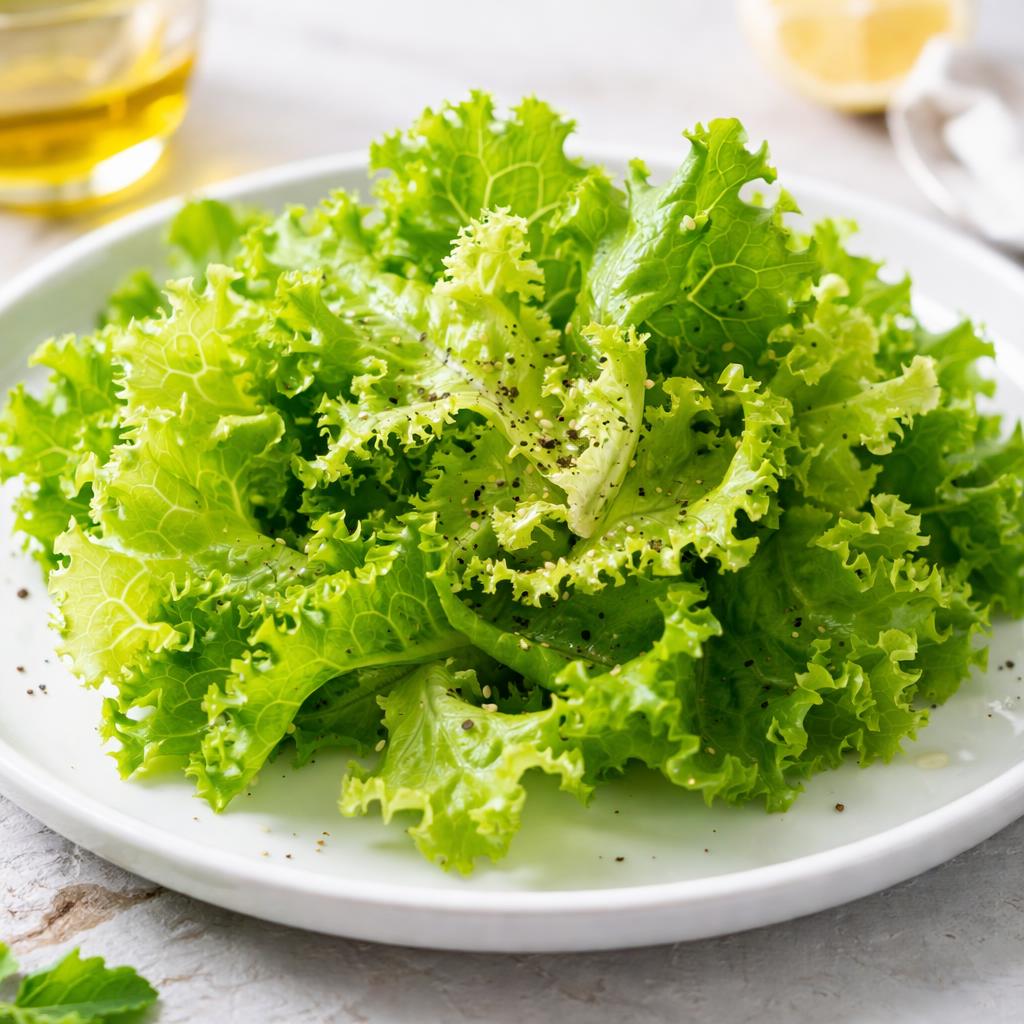
Lettuce
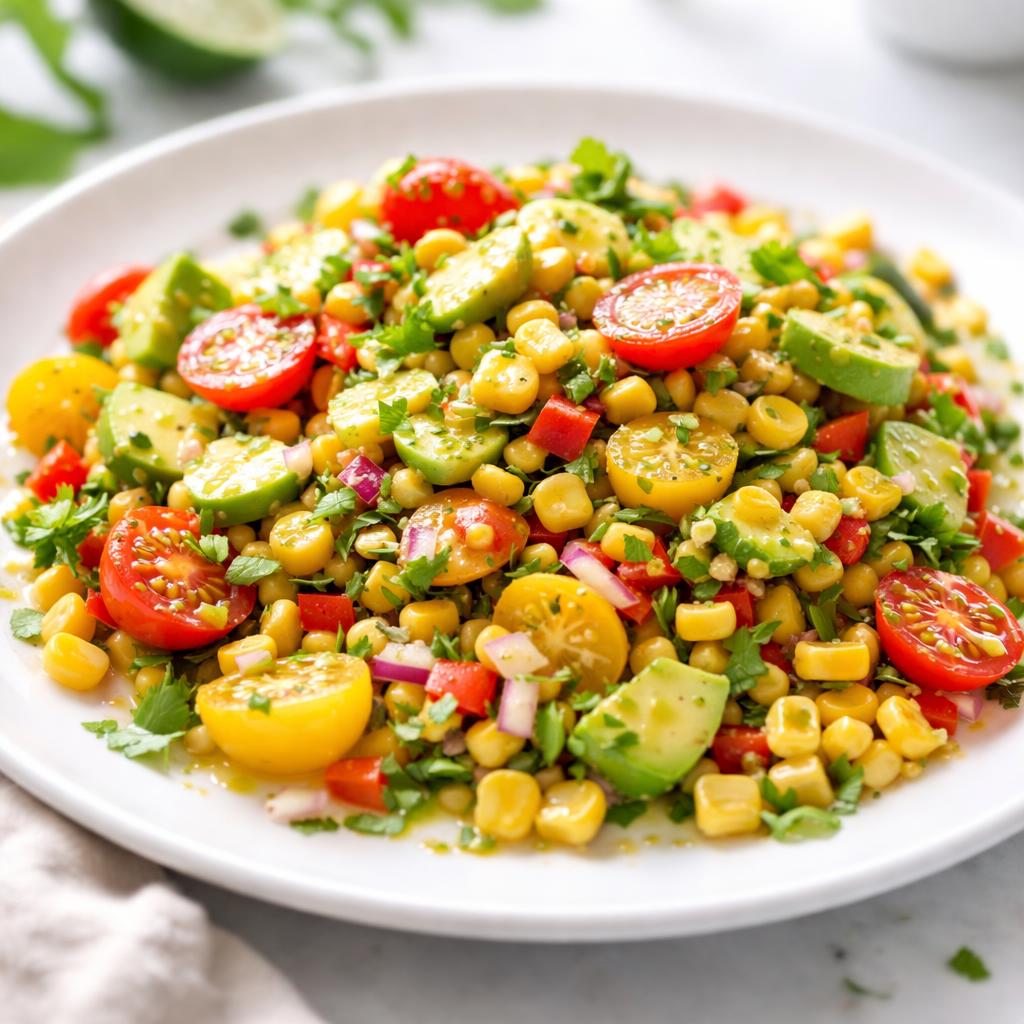
Corn Salad
🎯 Quick Verdict
Lettuce is ultra-low in calories and provides minimal amounts of protein, fiber, and nutrients, making it a good lightweight addition to meals. Corn salad is more nutrient-dense, offering higher protein and fiber content, along with a wider variety of vitamins and minerals, making it a better standalone option or base for salads.

Smart Nutrition Tracking with SnapCalorie

📊 Nutritional Comparison
Macronutrients
| Nutrient | Food 1 | Food 2 | Winner |
|---|---|---|---|
| Calories | 15 | 23 | − |
| Protein | 1g | 2g | − |
| Carbs | 3g | 4g | − |
| Fat | 0.2g | 0.4g | − |
| Fiber | 0.9g | 1.8g | − |
Vitamins & Minerals
| Nutrient | Food 1 | Food 2 | Winner |
|---|---|---|---|
| Vitamin A | 3700 IU | 5500 IU | − |
| Vitamin C | 2mg | 14mg | − |
| Vitamin K | 24mcg | 38mcg | − |
🏆 Category Winners
Protein
Corn salad has twice the protein content of lettuce.
Fiber
Corn salad provides double the amount of fiber compared to lettuce.
Calories
Lettuce has about 35% fewer calories than corn salad.
Vitamins
Corn salad offers higher amounts of Vitamin A, C, and K per serving.
🥗 Diet Compatibility
Keto
Food 1: Compatible
Food 2: Compatible
Both are low-carb and suitable for keto diets.
Vegan
Food 1: Compatible
Food 2: Compatible
Both are plant-based and vegan-friendly.
Gluten Free
Food 1: Compatible
Food 2: Compatible
Neither food contains gluten.
Paleo
Food 1: Compatible
Food 2: Compatible
Both align with paleo principles as unprocessed whole foods.
Low-Carb
Food 1: Compatible
Food 2: Compatible
Both are naturally low in carbohydrates, ideal for low-carb diets.
💪 Health Benefits Comparison
Food 1 Benefits
- Extremely low in calories, great for weight management
- Contains Vitamin A for skin and eye health
- Provides hydration due to high water content
Food 2 Benefits
- Provides more protein for maintaining muscle mass
- Rich in dietary fiber for better digestion
- Offers high levels of Vitamin C for immune system support
✅ The Bottom Line
Choose lettuce for ultra-low calorie meals or as a filler ingredient for weight loss purposes. Opt for corn salad when you want a nutrient-dense and fiber-rich base for salads, or as a standalone food for added protein and antioxidants.
Choose Food 1 for: Weight loss and hydrating side dishes
Choose Food 2 for: Nutrient-dense meals and fiber-rich salads


