Jasmine Rice VS Red Rice
A detailed nutritional comparison
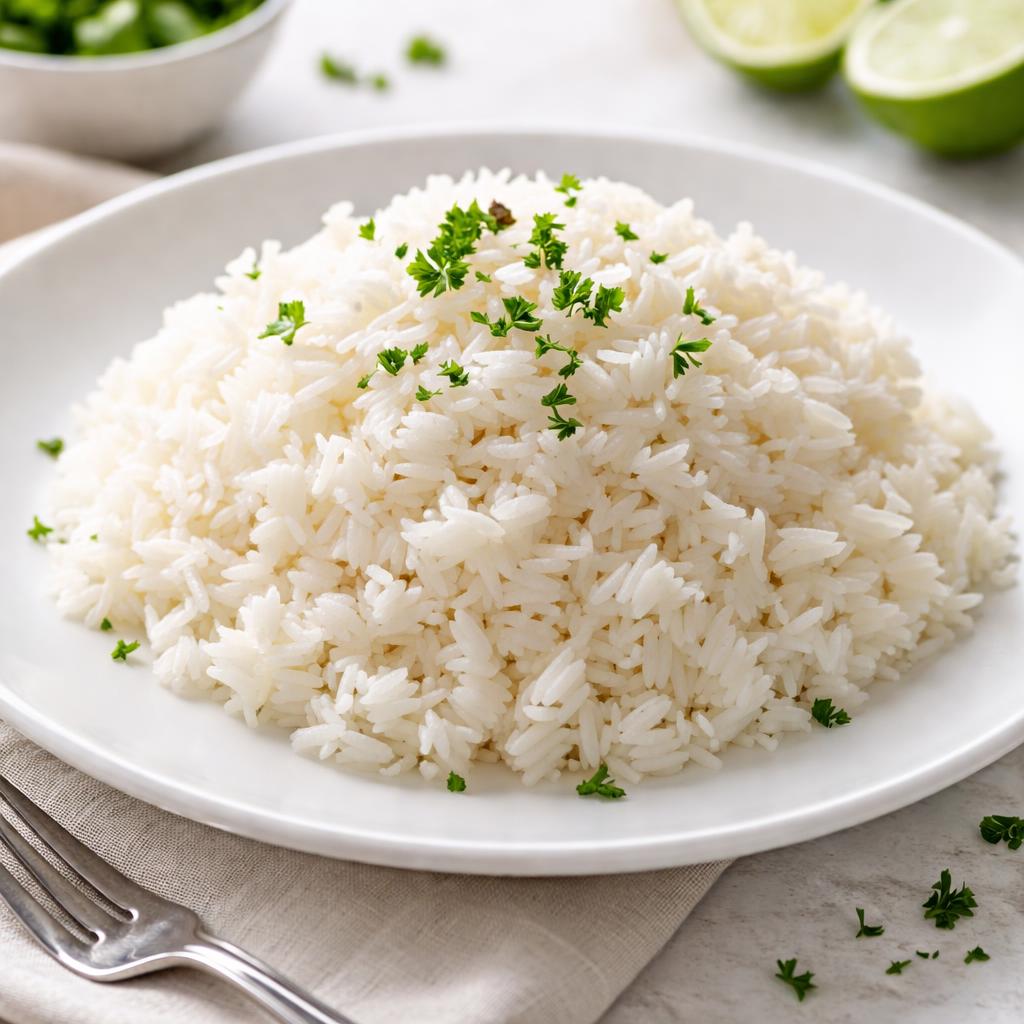
Jasmine Rice
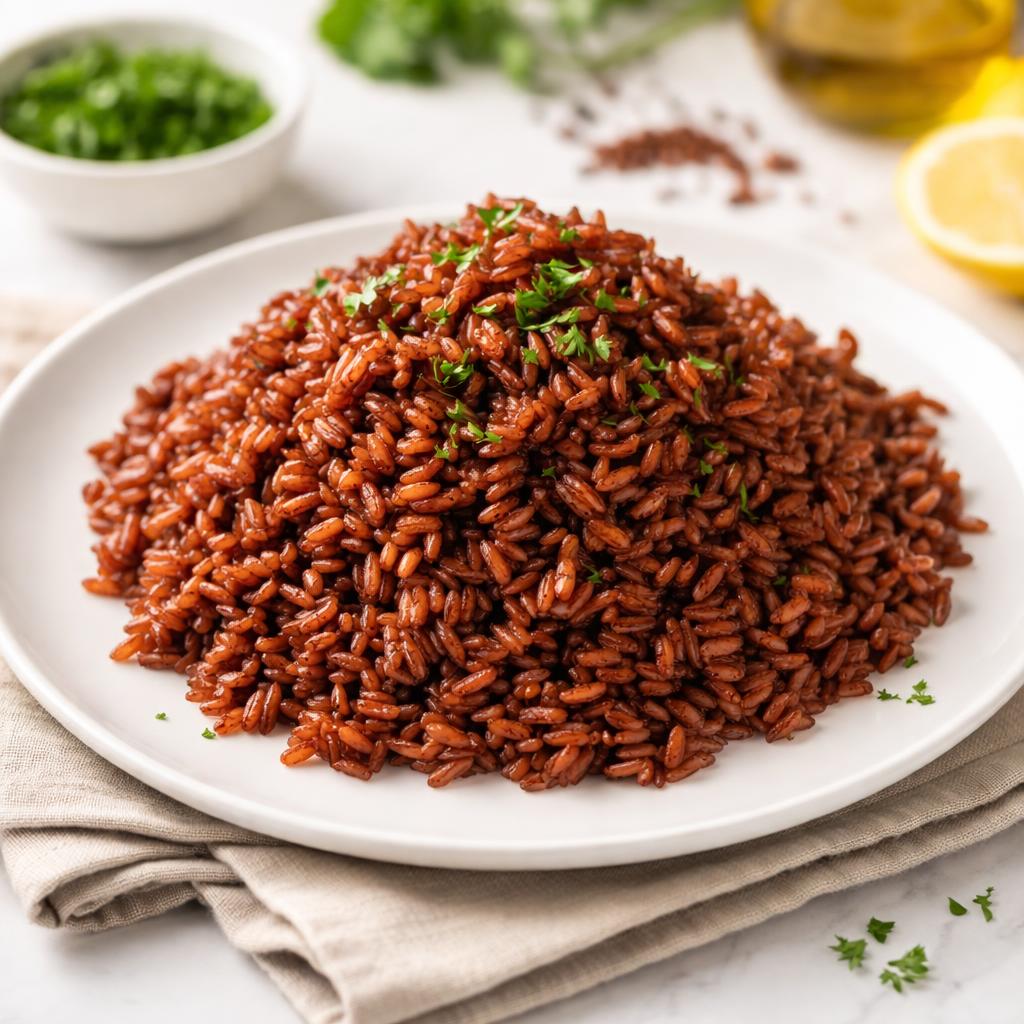
Red Rice
🎯 Quick Verdict
Red rice is nutritionally superior to jasmine rice due to its higher protein, fiber, and micronutrient content. Jasmine rice, while lower in nutrients, has a softer texture and is ideal for dishes requiring mild flavors or quick energy. Both are great in their own right but cater to different dietary goals and culinary applications.

Smart Nutrition Tracking with SnapCalorie

📊 Nutritional Comparison
Macronutrients
| Nutrient | Food 1 | Food 2 | Winner |
|---|---|---|---|
| Calories | 205 | 200 | − |
| Protein | 4g | 5g | ✓ |
| Carbs | 45g | 42g | ✓ |
| Fat | 0.5g | 1g | ✓ |
| Fiber | 0.4g | 2g | ✓ |
Vitamins & Minerals
| Nutrient | Food 1 | Food 2 | Winner |
|---|---|---|---|
| Vitamin B6 | 0.1mg | 0.2mg | ✓ |
| Magnesium | 16mg | 43mg | ✓ |
| Iron | 0.4mg | 1mg | ✓ |
🏆 Category Winners
Protein
Red rice contains 25% more protein than jasmine rice per serving.
Fiber
Red rice is significantly higher in fiber—5 times more than jasmine rice.
Calories
Both jasmine rice and red rice have similar caloric content per serving.
Vitamins
Red rice offers better levels of Vitamin B6, magnesium, and iron, making it superior for micronutrients.
🥗 Diet Compatibility
Keto
Food 1: Not Compatible
Food 2: Not Compatible
Both foods are high-carb and not suitable for ketogenic diets.
Vegan
Food 1: Compatible
Food 2: Compatible
Both rice varieties are plant-based and suitable for vegan diets.
Gluten Free
Food 1: Compatible
Food 2: Compatible
Neither option contains gluten, making them safe for gluten-free diets.
Paleo
Food 1: Compatible
Food 2: Compatible
Both are unprocessed grains that fit the paleo framework.
Low Carb
Food 1: Not Compatible
Food 2: Not Compatible
With over 40g carbohydrates per serving, neither food qualifies as low-carb.
💪 Health Benefits Comparison
Food 1 Benefits
- Quick source of energy due to higher carb content
- Low fat for calorie-conscious diets
- Pleasant texture pairs well with many dishes
Food 2 Benefits
- Higher in fiber for digestion and gut health
- Rich in magnesium for muscle and bone health
- Contains natural antioxidants supporting overall wellness
✅ The Bottom Line
Red rice is the better choice for individuals looking for nutrient density, especially fiber, protein, and vitamins. Jasmine rice is a great option for quick energy needs or softer rice dishes with mild flavor profiles.
Choose Food 1 for: Quick energy, light dishes, mild flavor profiles
Choose Food 2 for: Improved digestion, nutrient-dense meals, hearty dishes


