Instant Noodles VS Rice With Meat
A detailed nutritional comparison
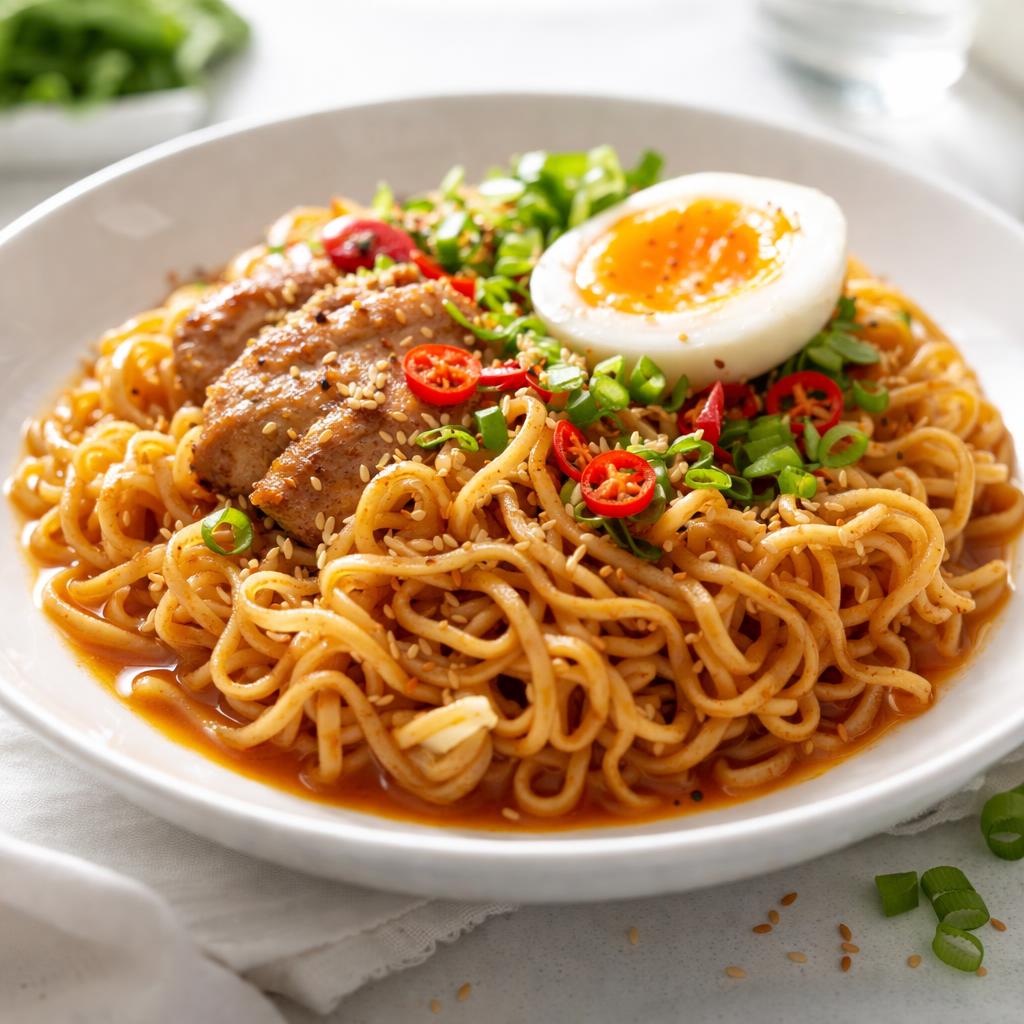
Instant Noodles
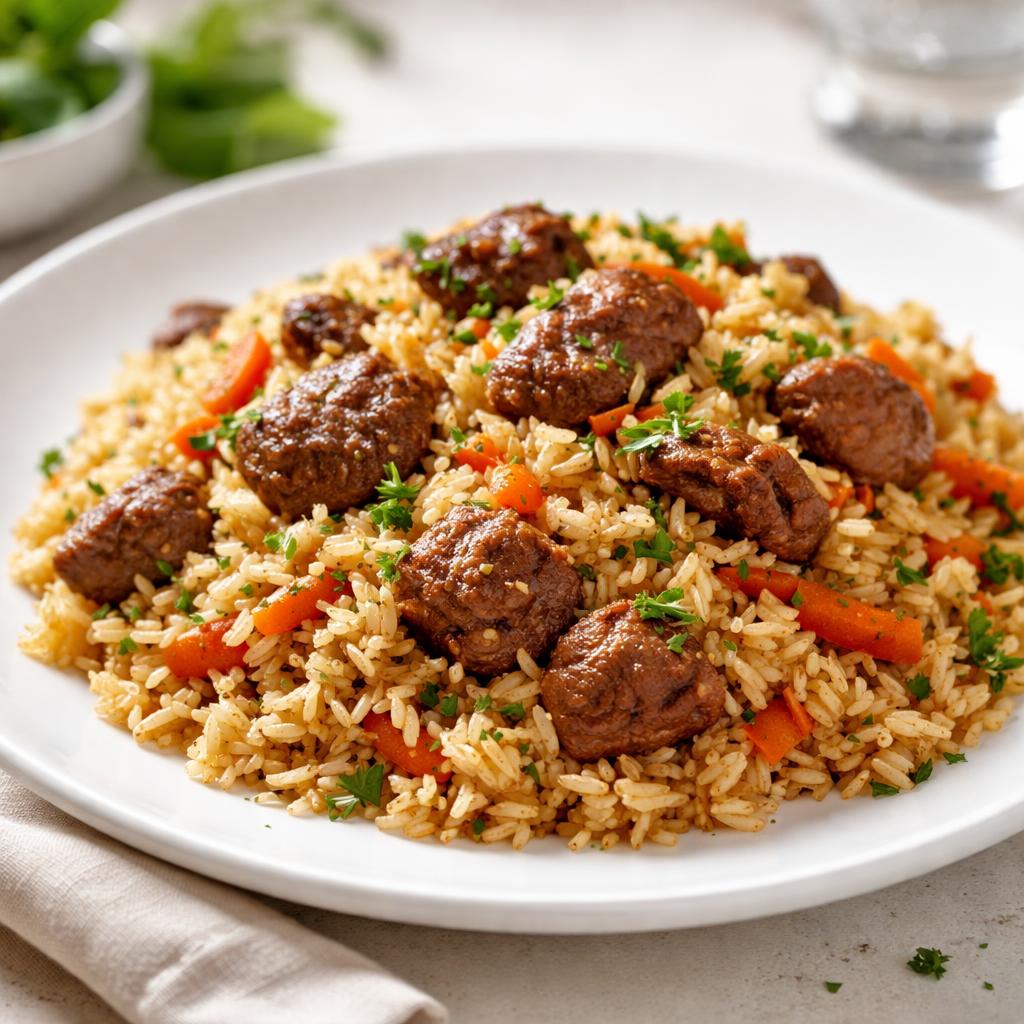
Rice With Meat
🎯 Quick Verdict
Instant noodles are lower in calories but generally less nutrient-dense than rice with meat, which offers more protein and fiber. If you're looking for an energy-dense, balanced meal, rice with meat is the better choice, while instant noodles might appeal for convenience despite offering limited nutritional benefits.

Smart Nutrition Tracking with SnapCalorie

📊 Nutritional Comparison
Macronutrients
| Nutrient | Food 1 | Food 2 | Winner |
|---|---|---|---|
| Calories | 188 | 250 | ✓ |
| Protein | 4g | 20g | ✓ |
| Carbs | 27g | 30g | ✓ |
| Fat | 7g | 10g | ✓ |
| Fiber | 1g | 3g | ✓ |
Vitamins & Minerals
| Nutrient | Food 1 | Food 2 | Winner |
|---|---|---|---|
| Vitamin D | 0mcg | 2mcg | ✓ |
| Calcium | 20mg | 40mg | ✓ |
| Iron | 1.5mg | 3mg | ✓ |
🏆 Category Winners
Protein
Rice with meat contains five times more protein per serving.
Fiber
Rice with meat provides three times more fiber for satiety and digestion benefits.
Calories
Instant noodles have about 25% fewer calories per serving.
Vitamins
Rice with meat delivers more essential vitamins and minerals like vitamin D, calcium, and iron.
🥗 Diet Compatibility
Keto
Food 1: Not Compatible
Food 2: Not Compatible
Both foods are high in carbs, making them unsuitable for keto diets.
Vegan
Food 1: Compatible
Food 2: Not Compatible
Instant noodles can be vegan if made without animal-based additives, while rice with meat includes animal protein.
Gluten Free
Food 1: Not Compatible
Food 2: Compatible
Instant noodles often contain wheat-based gluten, whereas rice with meat is naturally gluten-free.
Paleo
Food 1: Not Compatible
Food 2: Compatible
Instant noodles are processed and not suitable for paleo diets, while rice and meat align better with paleo principles.
Low-Carb
Food 1: Not Compatible
Food 2: Not Compatible
Both foods are relatively high in carbohydrates.
💪 Health Benefits Comparison
Food 1 Benefits
- Affordable and convenient meal option
- Provides quick energy from carbohydrates
- Low in calories compared to many other meals
Food 2 Benefits
- High-quality protein supports muscle health
- Rich in essential vitamins and minerals like iron and calcium
- Provides balanced energy with complex carbs and healthy fats
✅ The Bottom Line
Rice with meat is the better option for a nutritious, balanced meal, as it offers significantly more protein, fiber, and essential vitamins than instant noodles. Instant noodles may appeal for low-calorie and convenient meal options but are less nutrient-dense overall.
Choose Food 1 for: Quick meals, budget-friendly options, lower calorie intake
Choose Food 2 for: Balanced meals, muscle-building diets, overall nutrient density


