Instant Noodles VS Raw Rice
A detailed nutritional comparison
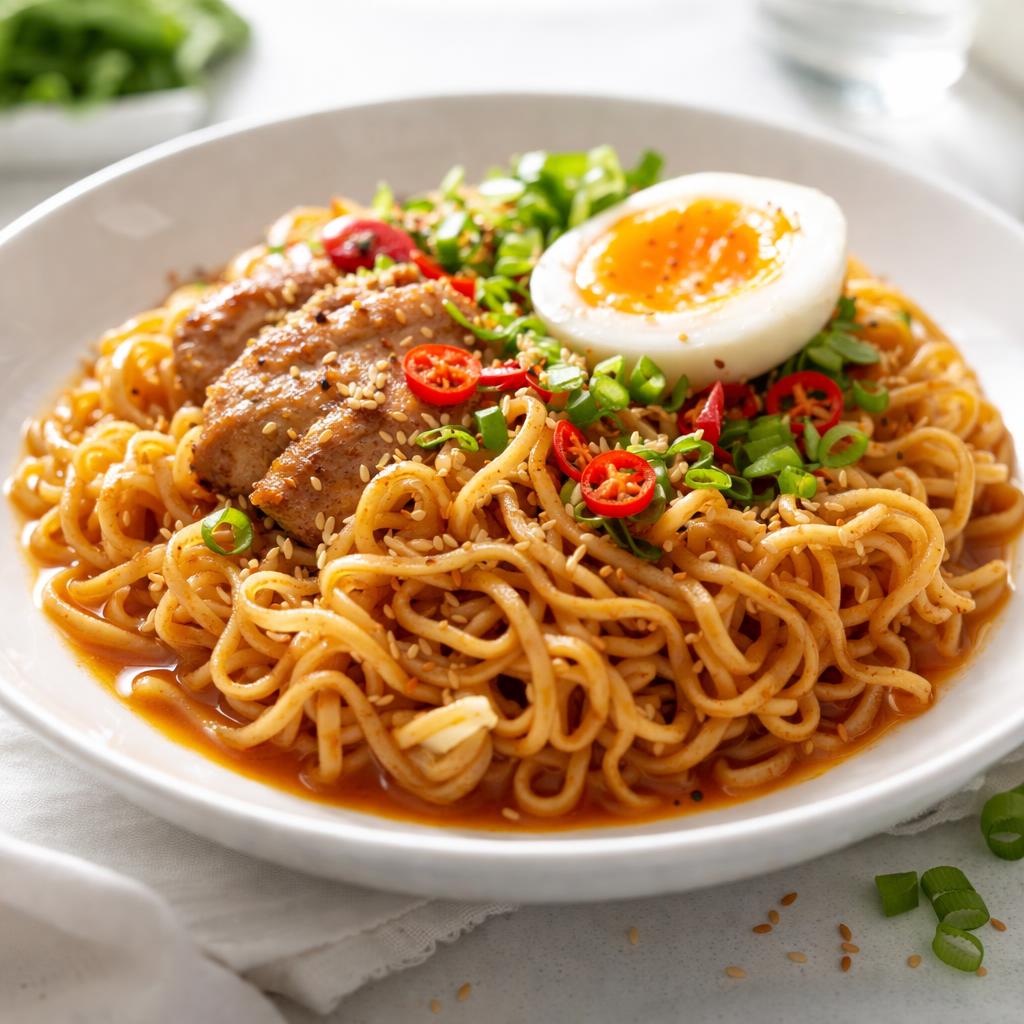
Instant Noodles
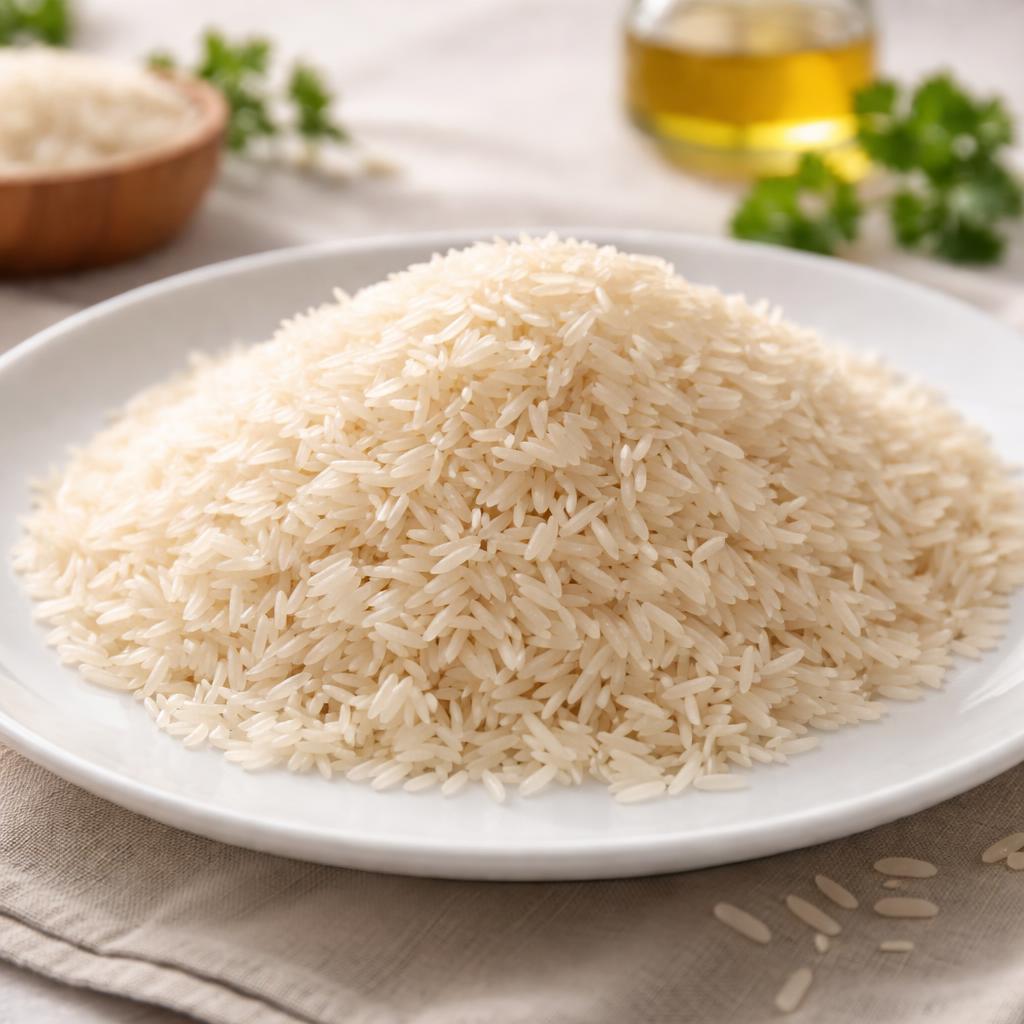
Raw Rice
🎯 Quick Verdict
Instant noodles are higher in protein and convenient for quick meals but are often processed and high in sodium. Raw rice, although lower in protein and containing more calories, is a fiber-rich and versatile staple that can be used in a variety of nutrient-rich meals. Choose instant noodles for convenience and raw rice for longer-term health benefits in home-cooked dishes.

Smart Nutrition Tracking with SnapCalorie

📊 Nutritional Comparison
Macronutrients
| Nutrient | Food 1 | Food 2 | Winner |
|---|---|---|---|
| Calories | 385 | 360 | ✓ |
| Protein | 8g | 7g | ✓ |
| Carbs | 55g | 80g | ✓ |
| Fat | 14g | 1g | ✓ |
| Fiber | 2g | 4g | ✓ |
Vitamins & Minerals
| Nutrient | Food 1 | Food 2 | Winner |
|---|---|---|---|
| Vitamin B6 | 0.4mg | 0.2mg | ✓ |
| Iron | 3mg | 2.1mg | ✓ |
| Magnesium | 31mg | 25mg | ✓ |
🏆 Category Winners
Protein
Instant noodles have slightly more protein per serving.
Fiber
Raw rice provides twice as much fiber as instant noodles.
Calories
Raw rice has fewer calories, making it better for calorie-conscious diets.
Vitamins
Instant noodles contain more iron and magnesium per serving.
🥗 Diet Compatibility
Keto
Food 1: Not Compatible
Food 2: Not Compatible
Both are high-carb foods.
Vegan
Food 1: Compatible
Food 2: Compatible
Both are plant-based with no animal products.
Gluten Free
Food 1: Not Compatible
Food 2: Compatible
Instant noodles often contain wheat, while raw rice is naturally gluten-free.
Paleo
Food 1: Not Compatible
Food 2: Compatible
Raw rice fits paleo diets better, while instant noodles are processed.
Low-Carb
Food 1: Not Compatible
Food 2: Not Compatible
Both foods are rich in carbohydrates and not suitable for low-carb diets.
💪 Health Benefits Comparison
Food 1 Benefits
- Convenient, quick meal option
- Contains moderate protein for energy and satiety
- Provides iron and magnesium for essential bodily functions
Food 2 Benefits
- Rich in complex carbohydrates for sustained energy
- Higher fiber content for digestive health
- Gluten-free and paleo-friendly for dietary restrictions
✅ The Bottom Line
Instant noodles are better for quick, on-the-go meals where convenience matters. Raw rice, on the other hand, is ideal for home-cooked meals when looking for versatility, fiber, and sustained energy. Both have their place depending on dietary priorities and lifestyle needs.
Choose Food 1 for: Convenience, fast meals, moderate protein intake
Choose Food 2 for: Home-cooked meals, fiber intake, long-term health focus


