Garlic Bread VS Whole Wheat Pasta
A detailed nutritional comparison

Garlic Bread
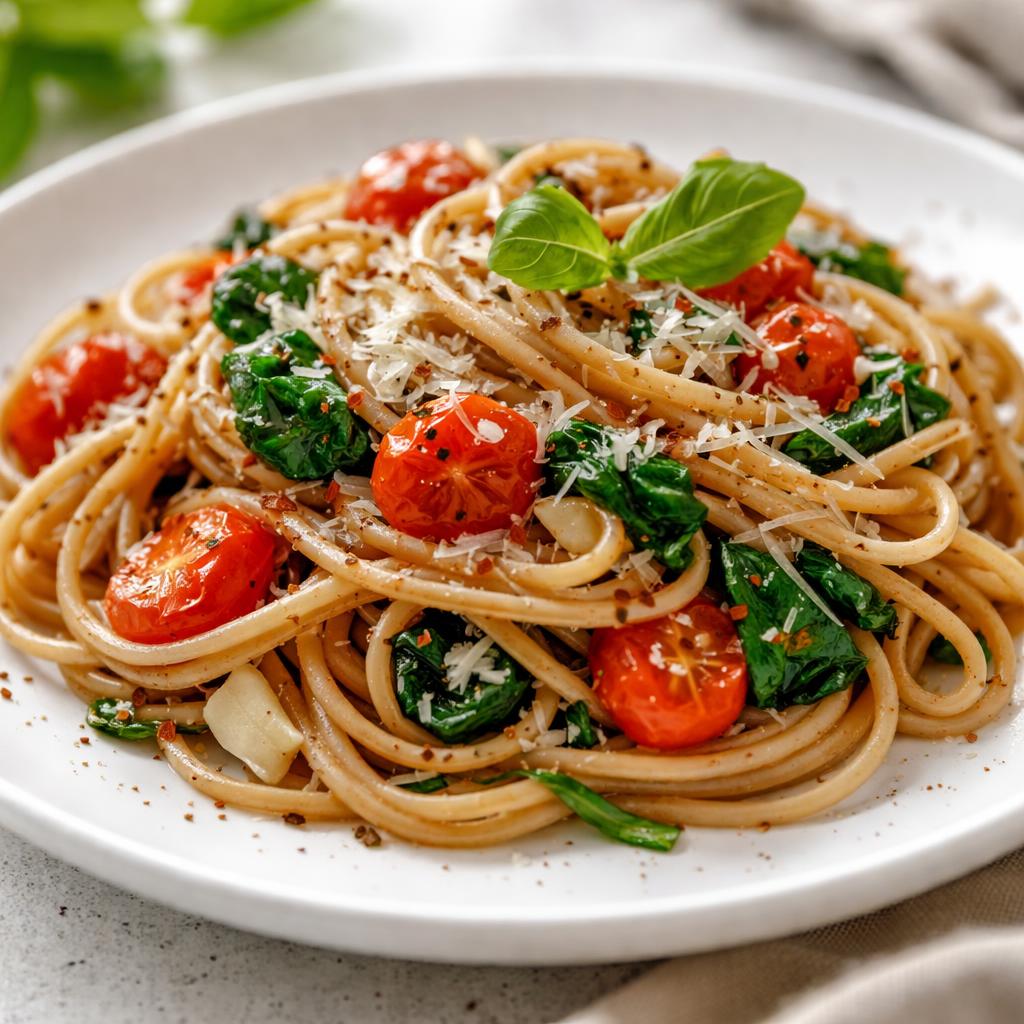
Whole Wheat Pasta
🎯 Quick Verdict
Whole wheat pasta is a healthier choice compared to garlic bread due to its higher protein and fiber content and lower calorie count per serving. Garlic bread, though tasty, is higher in fat and carbohydrates, making it less suitable for weight loss or controlled diets but a convenient energy source for occasional indulgence.

Smart Nutrition Tracking with SnapCalorie

📊 Nutritional Comparison
Macronutrients
| Nutrient | Food 1 | Food 2 | Winner |
|---|---|---|---|
| Calories | 200 | 180 | ✓ |
| Protein | 5g | 7g | ✓ |
| Carbs | 29g | 37g | ✓ |
| Fat | 8g | 1g | ✓ |
| Fiber | 1g | 6g | ✓ |
Vitamins & Minerals
| Nutrient | Food 1 | Food 2 | Winner |
|---|---|---|---|
| Vitamin A | 0mcg | 10mcg | ✓ |
| Iron | 1mg | 2mg | ✓ |
| Calcium | 50mg | 20mg | ✓ |
🏆 Category Winners
Protein
Whole wheat pasta contains 40% more protein per serving than garlic bread.
Fiber
Whole wheat pasta offers 6 times more fiber compared to garlic bread.
Calories
Whole wheat pasta has 10% fewer calories.
Vitamins
Overall, whole wheat pasta provides a more diverse range of essential vitamins.
🥗 Diet Compatibility
Keto
Food 1: Not Compatible
Food 2: Not Compatible
Both foods are too high in carbohydrates for a ketogenic diet.
Vegan
Food 1: Not Compatible
Food 2: Compatible
Garlic bread often contains dairy, while whole wheat pasta can be fully plant-based.
Gluten Free
Food 1: Not Compatible
Food 2: Not Compatible
Both foods contain gluten unless specifically made gluten-free.
Paleo
Food 1: Not Compatible
Food 2: Not Compatible
Neither garlic bread nor whole wheat pasta aligns with paleo diet principles.
Low-Carb
Food 1: Not Compatible
Food 2: Not Compatible
Both foods are high in carbohydrates, making them unsuitable for low-carb diets.
💪 Health Benefits Comparison
Food 1 Benefits
- Quick source of energy due to high carbohydrates
- Contains some calcium for bone health
- Enjoyable comfort food for occasional indulgence
Food 2 Benefits
- High in fiber for digestive health
- Provides more protein for muscle repair and overall nutrition
- Contains key vitamins like Vitamin A and Iron
✅ The Bottom Line
Whole wheat pasta is the better choice for those prioritizing nutrition, digestion, and lower calorie intake. Garlic bread may be a more indulgent option for occasional cravings or quick energy needs.
Choose Food 1 for: Quick comfort food, energy boost during heavy activity, occasional treats
Choose Food 2 for: Balanced meals, weight management, high-fiber diets


