Garlic Bread VS Whole Wheat Bread
A detailed nutritional comparison

Garlic Bread
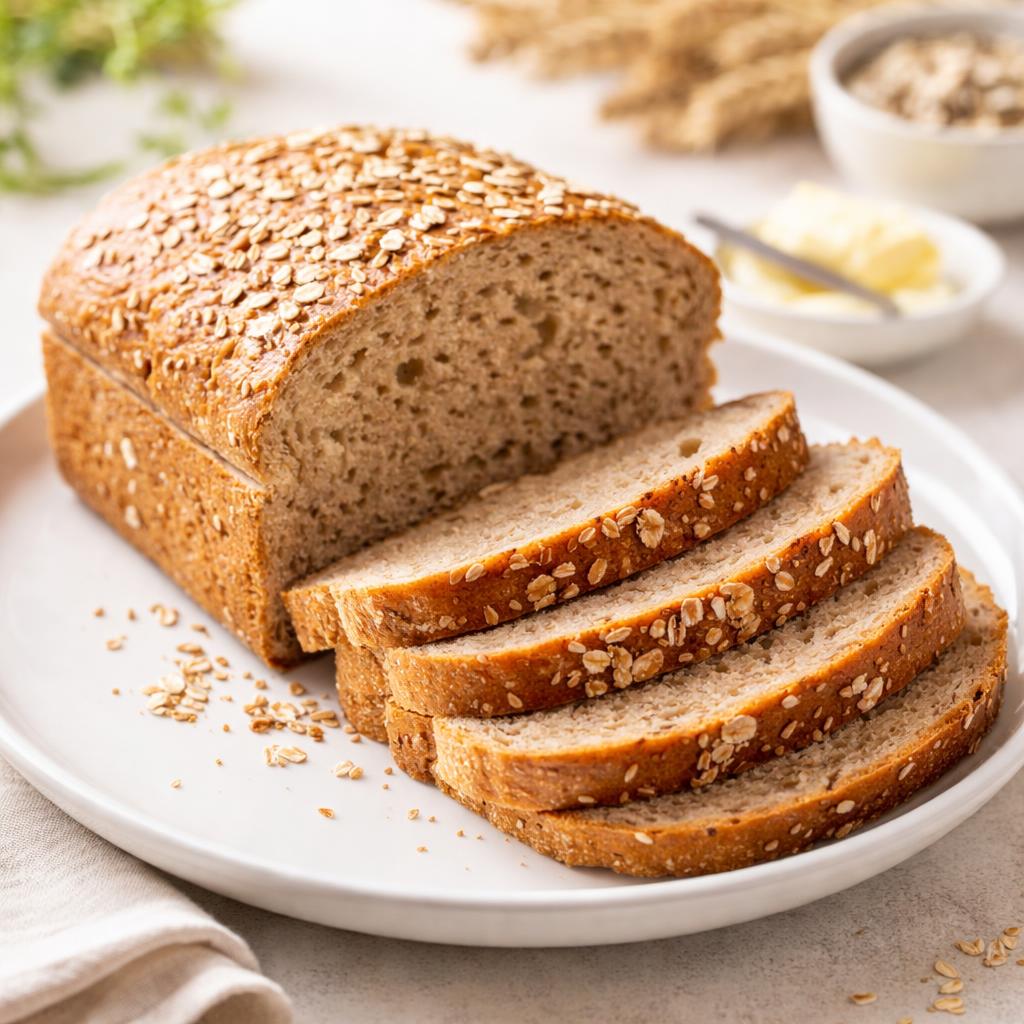
Whole Wheat Bread
🎯 Quick Verdict
Whole wheat bread generally offers superior nutritional benefits compared to garlic bread, including higher fiber, protein, and fewer calories. Garlic bread, while flavorful, is higher in fat and calories due to added butter or oil. Whole wheat bread is a better choice for balanced diets, whereas garlic bread can be enjoyed occasionally for taste purposes.

Smart Nutrition Tracking with SnapCalorie

📊 Nutritional Comparison
Macronutrients
| Nutrient | Food 1 | Food 2 | Winner |
|---|---|---|---|
| Calories | 200 | 100 | ✓ |
| Protein | 4g | 5g | ✓ |
| Carbs | 34g | 20g | ✓ |
| Fat | 8g | 1g | ✓ |
| Fiber | 1g | 3g | ✓ |
Vitamins & Minerals
| Nutrient | Food 1 | Food 2 | Winner |
|---|---|---|---|
| Vitamin B6 | 0.1mg | 0.3mg | ✓ |
| Folate | 25mcg | 35mcg | ✓ |
| Iron | 1mg | 2mg | ✓ |
🏆 Category Winners
Protein
Whole wheat bread contains slightly more protein per serving, helping support muscle maintenance.
Fiber
Whole wheat bread offers three times more fiber per serving, which aids digestion and supports gut health.
Calories
Whole wheat bread has 50% fewer calories compared to garlic bread, making it a lighter option.
🥗 Diet Compatibility
Keto
Food 1: Not Compatible
Food 2: Not Compatible
Both foods are high in carbohydrates, which are not suitable for keto diets.
Vegan
Food 1: Not Compatible
Food 2: Compatible
Garlic bread typically contains butter, making it unsuitable for vegans, while whole wheat bread does not.
Gluten Free
Food 1: Not Compatible
Food 2: Not Compatible
Both foods contain wheat and are not suitable for gluten-free diets.
Paleo
Food 1: Not Compatible
Food 2: Not Compatible
Both foods contain grains, which are excluded in a paleo diet.
Low-Carb
Food 1: Not Compatible
Food 2: Not Compatible
Both foods are high in carbohydrates and are unsuitable for low-carb diets.
💪 Health Benefits Comparison
Food 1 Benefits
- Provides quick energy due to its carbohydrate content
- Delivers antioxidants from garlic, supporting immune function
- Satisfies cravings for savory flavors
Food 2 Benefits
- Higher fiber supports digestive health and regularity
- Rich in essential nutrients like folate and iron for cellular function
- Lower calorie and fat content helps maintain a healthy weight
✅ The Bottom Line
Whole wheat bread is a healthier and more versatile option, offering more protein, fiber, and fewer calories. Garlic bread, while delicious, is better reserved for occasional enjoyment due to its higher fat and calorie content.
Choose Food 1 for: Flavorful indulgence, side dish for Italian cuisine, occasional treat
Choose Food 2 for: Balanced meals, weight management, high-fiber diets


