Fried Rice VS Vegetable Rice
A detailed nutritional comparison
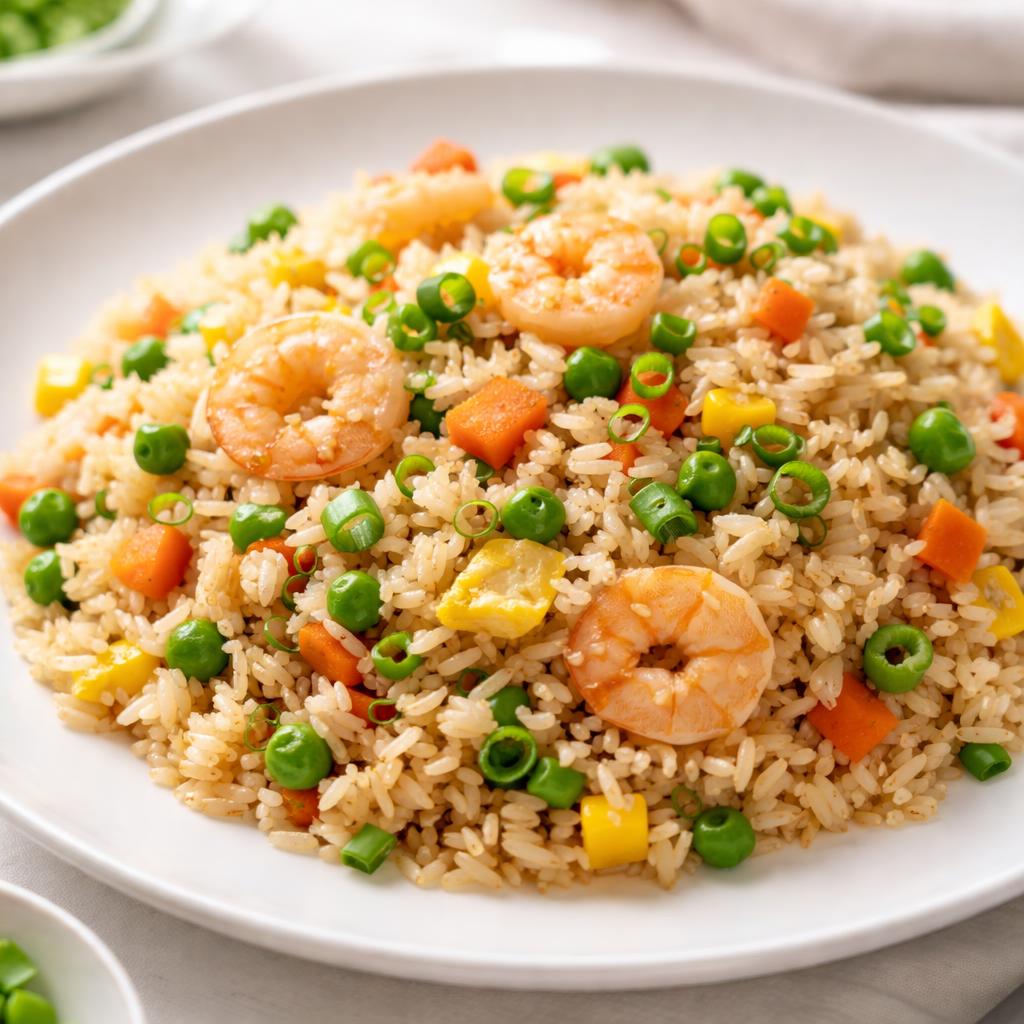
Fried Rice
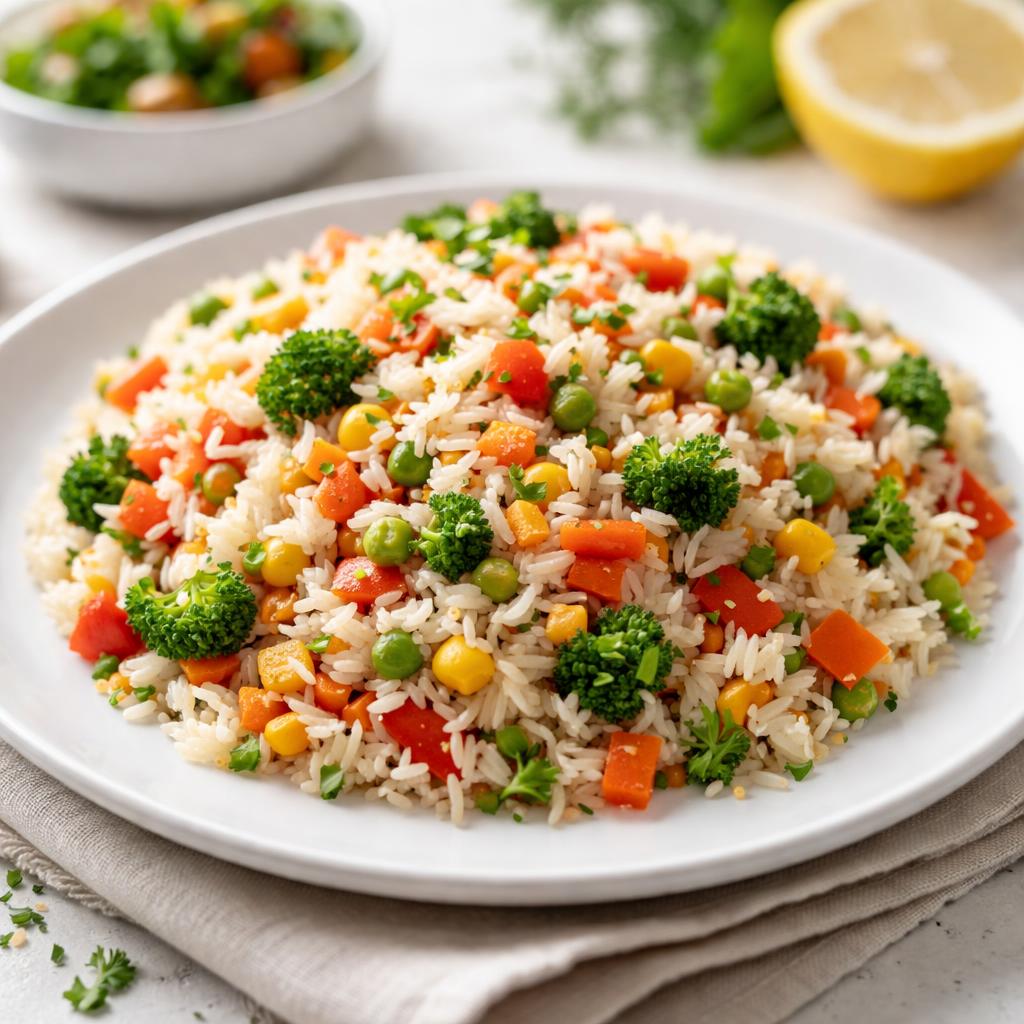
Vegetable Rice
🎯 Quick Verdict
Vegetable rice is generally healthier due to being lower in calories and fat while providing more fiber per serving, aiding digestion and weight management. Fried rice, while higher in protein, is also richer in fats and calories, making it less ideal for weight control but better for energy-intensive needs. Both can be balanced with additional vegetables or protein sources.

Smart Nutrition Tracking with SnapCalorie

📊 Nutritional Comparison
Macronutrients
| Nutrient | Food 1 | Food 2 | Winner |
|---|---|---|---|
| Calories | 250 | 180 | ✓ |
| Protein | 8g | 5g | ✓ |
| Carbs | 35g | 30g | ✓ |
| Fat | 10g | 2g | ✓ |
| Fiber | 2g | 4g | ✓ |
Vitamins & Minerals
| Nutrient | Food 1 | Food 2 | Winner |
|---|---|---|---|
| Vitamin A | 50mcg | 120mcg | ✓ |
| Vitamin C | 5mg | 15mg | ✓ |
| Calcium | 20mg | 30mg | ✓ |
| Iron | 1mg | 1.5mg | ✓ |
🏆 Category Winners
Protein
Fried rice contains 60% more protein per serving due to egg or meat additives.
Fiber
Vegetable rice offers twice the fiber content per serving.
Calories
Vegetable rice is 28% lower in calories, making it better for weight management.
Vitamins
Vegetable rice is richer in Vitamin A, C, and minerals like iron and calcium due to the inclusion of nutrient-dense vegetables.
🥗 Diet Compatibility
Keto
Food 1: Not Compatible
Food 2: Not Compatible
Both options are high in carbs from rice.
Vegan
Food 1: Not Compatible
Food 2: Compatible
Fried rice often contains animal-based ingredients like eggs or meat.
Gluten Free
Food 1: Depends
Food 2: Depends
If made with plain rice and no added gluten-containing sauces, both can be gluten-free.
Paleo
Food 1: Not Compatible
Food 2: Not Compatible
Rice is not a paleo-approved food.
Low Carb
Food 1: Not Compatible
Food 2: Not Compatible
Both are carb-rich foods unsuited for low-carb diets.
💪 Health Benefits Comparison
Food 1 Benefits
- Provides quick energy due to its higher carbohydrate content
- Contains protein for muscle repair and maintenance when prepared with eggs or meat
- May provide additional flavor and richness when seasoned appropriately
Food 2 Benefits
- Rich in fiber to promote digestive health
- Low in fat, supporting heart health and weight control
- Contains vitamins A and C for improved immunity and eye health
- Packed with antioxidants from diverse vegetable components
✅ The Bottom Line
Choose fried rice for higher protein needs or energy-dense meals, making it suitable for post-workout recovery or manual labor. Vegetable rice is the healthier, low-calorie option ideal for digestion, weight management, and nutrient balance.
Choose Food 1 for: Post-workout recovery, protein-rich meals, energy-demanding activities
Choose Food 2 for: Weight loss, vegetarian diets, fiber-rich digestion support


