Fried Rice VS Rice With Meat
A detailed nutritional comparison
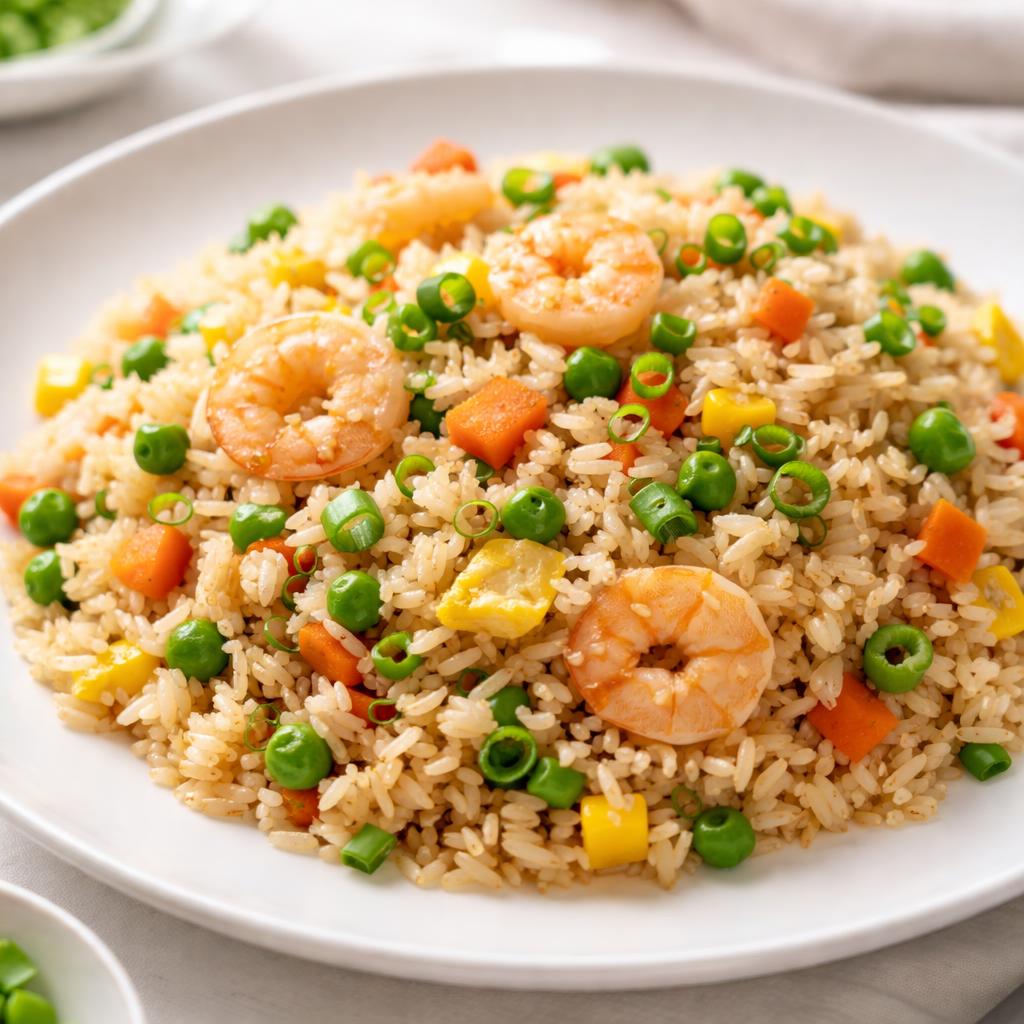
Fried Rice
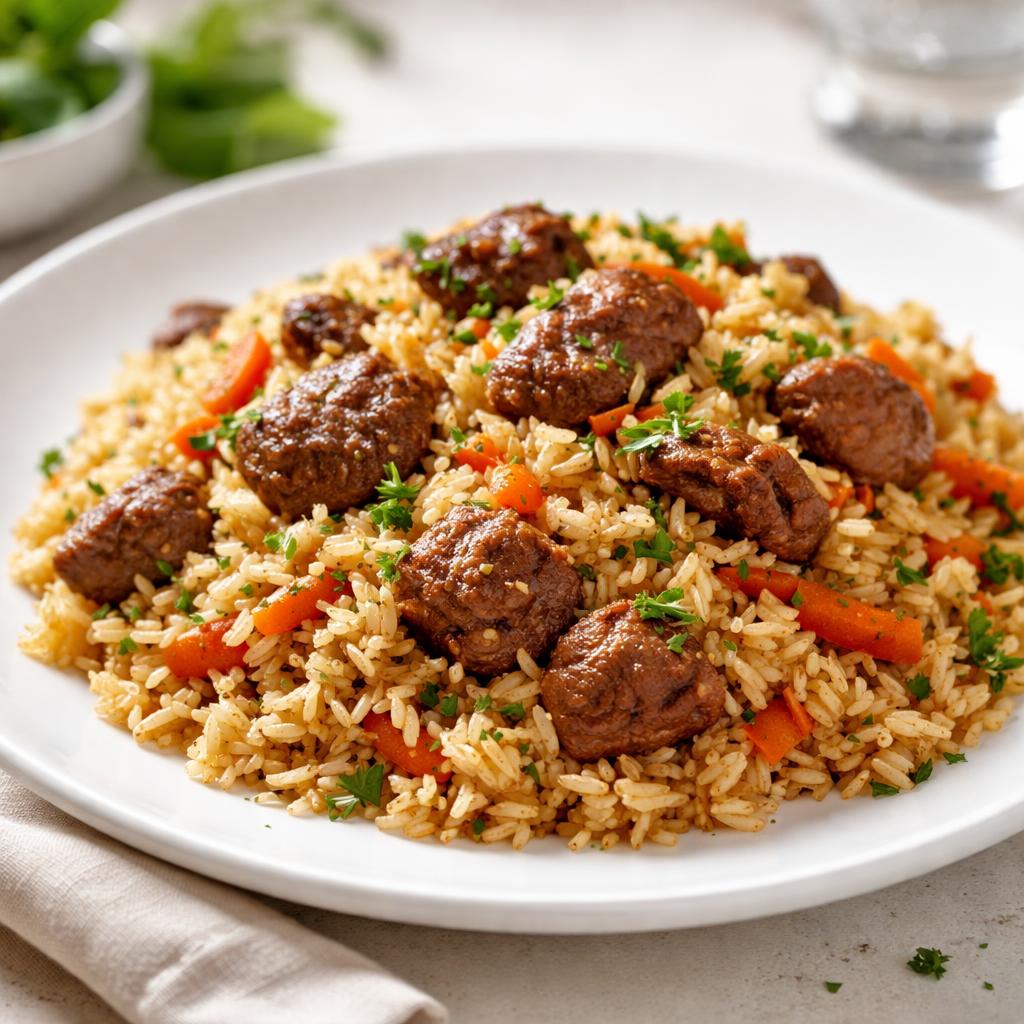
Rice With Meat
🎯 Quick Verdict
Fried rice and rice with meat offer different nutritional advantages. Rice with meat is higher in protein, while fried rice has slightly more fiber. Rice with meat is leaner with fewer calories, making it more suitable for weight management or protein-focused diets. Fried rice may be better for individuals seeking more plant-based or carb-rich energy sources, but it typically contains more added fats from oils during cooking.

Smart Nutrition Tracking with SnapCalorie

📊 Nutritional Comparison
Macronutrients
| Nutrient | Food 1 | Food 2 | Winner |
|---|---|---|---|
| Calories | 250 | 220 | ✓ |
| Protein | 5g | 15g | ✓ |
| Carbs | 45g | 35g | ✓ |
| Fat | 10g | 5g | ✓ |
| Fiber | 3g | 1g | ✓ |
Vitamins & Minerals
| Nutrient | Food 1 | Food 2 | Winner |
|---|---|---|---|
| Vitamin A | 200IU | 50IU | ✓ |
| Vitamin C | 0mg | 2mg | ✓ |
| Iron | 1mg | 2.5mg | ✓ |
🏆 Category Winners
Protein
Rice with meat contains three times more protein due to the meat component.
Fiber
Fried rice has three times more fiber, often from added vegetables.
Calories
Rice with meat is about 12% lower in calories due to less added fat used in preparation.
Vitamins
Rice with meat provides more iron and vitamin C, beneficial for blood health and immune function.
🥗 Diet Compatibility
Keto
Food 1: Not Compatible
Food 2: Not Compatible
Both are high-carb dishes.
Vegan
Food 1: Possibly Compatible
Food 2: Not Compatible
Fried rice can be vegetarian, but rice with meat involves animal products.
Gluten Free
Food 1: Possibly Compatible
Food 2: Compatible
Both are naturally gluten-free, but fried rice may contain soy sauce with wheat.
Paleo
Food 1: Not Compatible
Food 2: Possibly Compatible
Rice with meat may fit paleo preferences depending on the meat and preparation.
Low-Carb
Food 1: Not Compatible
Food 2: Not Compatible
Both dishes have moderate to high carbohydrate content.
💪 Health Benefits Comparison
Food 1 Benefits
- Good fiber content promotes digestive health.
- Provides quick energy from carbohydrate content.
- Offers a small amount of vitamin A for vision support.
Food 2 Benefits
- High protein content supports muscle maintenance and growth.
- Rich in iron for healthy blood oxygen levels.
- Lower calorie profile is helpful for weight control.
✅ The Bottom Line
Choose fried rice if you are looking for plant-based options with more fiber and carbs for energy. Choose rice with meat for higher protein, fewer calories, and better support for muscle growth and recovery.
Choose Food 1 for: Quick energy, fiber intake, vegetarian-friendly meals
Choose Food 2 for: Weight management, high-protein diets, muscle recovery


