Fried Rice VS Mexican Rice
A detailed nutritional comparison
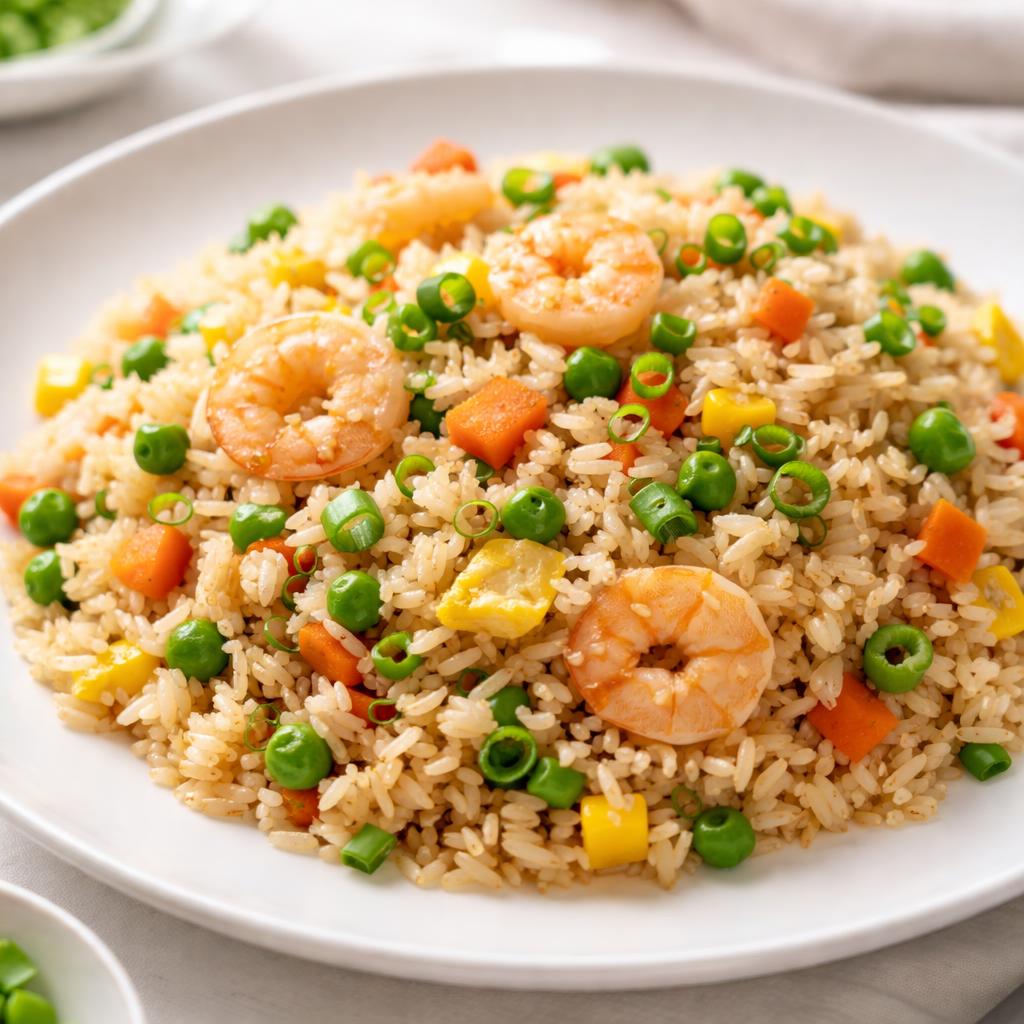
Fried Rice
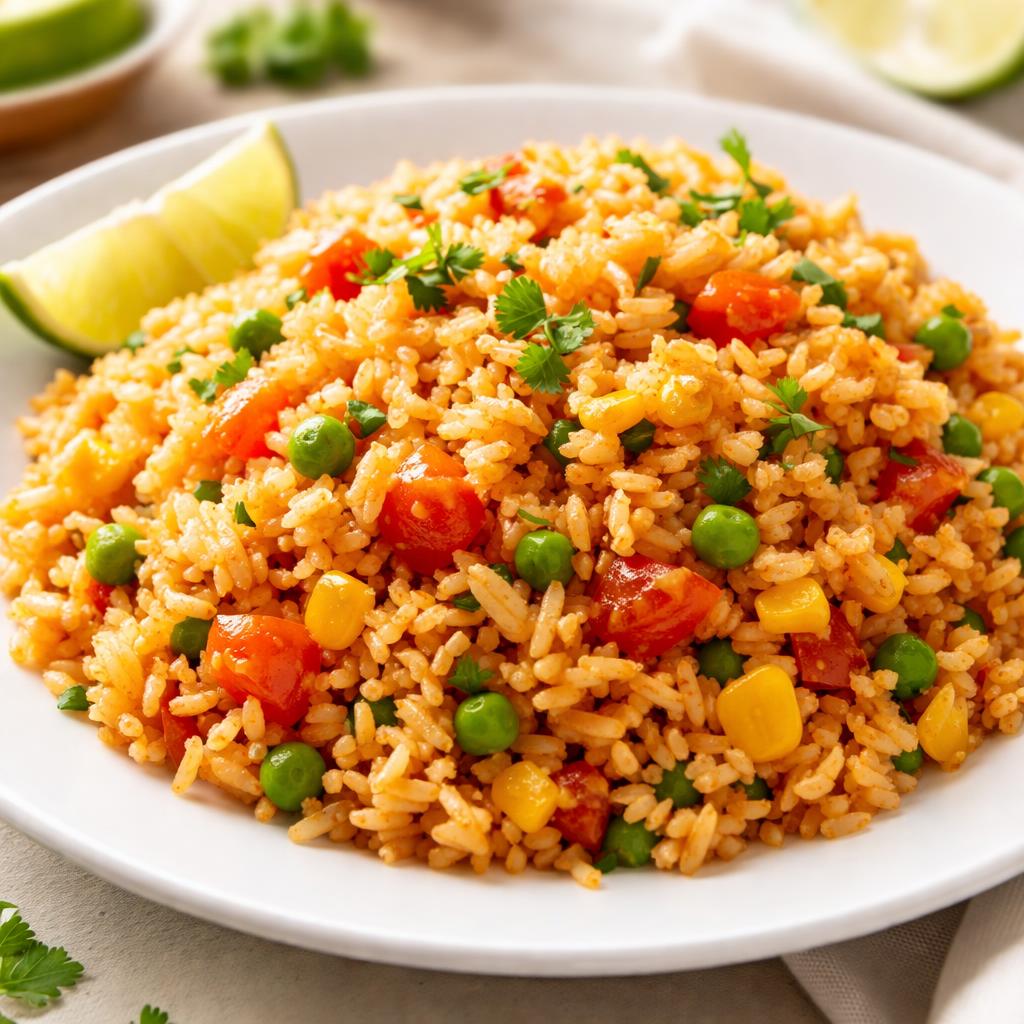
Mexican Rice
🎯 Quick Verdict
Mexican rice tends to have fewer calories and slightly higher fiber content than fried rice, making it a more nutrient-dense choice. Fried rice, while flavorful, is often higher in fat and calories due to added oils and ingredients such as eggs and meat. Mexican rice is better suited for lighter meals, while fried rice works well for heavier meals or post-workout recovery when calories and protein are beneficial.

Smart Nutrition Tracking with SnapCalorie

📊 Nutritional Comparison
Macronutrients
| Nutrient | Food 1 | Food 2 | Winner |
|---|---|---|---|
| Calories | 290 | 220 | ✓ |
| Protein | 6g | 6g | − |
| Carbs | 45g | 40g | ✓ |
| Fat | 10g | 4g | ✓ |
| Fiber | 2g | 3g | ✓ |
Vitamins & Minerals
| Nutrient | Food 1 | Food 2 | Winner |
|---|---|---|---|
| Vitamin D | 1mcg | 0mcg | ✓ |
| Calcium | 25mg | 20mg | ✓ |
| Iron | 1mg | 2mg | ✓ |
🏆 Category Winners
Protein
Both fried rice and Mexican rice provide an equal 6g protein per serving.
Fiber
Mexican rice has 50% more fiber with 3g per serving compared to 2g in fried rice.
Calories
Mexican rice has 24% fewer calories than fried rice per serving.
🥗 Diet Compatibility
Keto
Food 1: Not Compatible
Food 2: Not Compatible
Both foods are high-carb, making them unsuitable for keto diets.
Vegan
Food 1: Depends on Recipe
Food 2: Depends on Recipe
Fried rice may contain eggs or meat, while Mexican rice may include chicken broth.
Gluten Free
Food 1: Depends on Recipe
Food 2: Compatible
Mexican rice is generally gluten-free, but fried rice may contain soy sauce with gluten unless a gluten-free version is used.
Paleo
Food 1: Not Compatible
Food 2: Not Compatible
Both foods contain rice, which is excluded in paleo diets.
Low Carb
Food 1: Not Compatible
Food 2: Not Compatible
Both are high in carbohydrates with over 40g per serving.
💪 Health Benefits Comparison
Food 1 Benefits
- Provides a good source of carbohydrates for energy
- Contains added protein in recipes with egg or meat
- Rich in fat, which can be helpful for high-calorie diets
Food 2 Benefits
- Lower in calories, helpful for weight control
- Contains more fiber for digestion and satiety
- Provides iron for oxygen transport in the body
✅ The Bottom Line
Choose fried rice for higher energy needs or post-workout meals where protein and calories are advantageous. Opt for Mexican rice when seeking a lighter, more nutrient-dense option rich in fiber and lower in calories.
Choose Food 1 for: High-energy meals, post-workout, traditional Asian cuisine pairings
Choose Food 2 for: Weight control, digestive health, lighter Mexican-inspired meals


