Egg VS White Beans
A detailed nutritional comparison

Egg
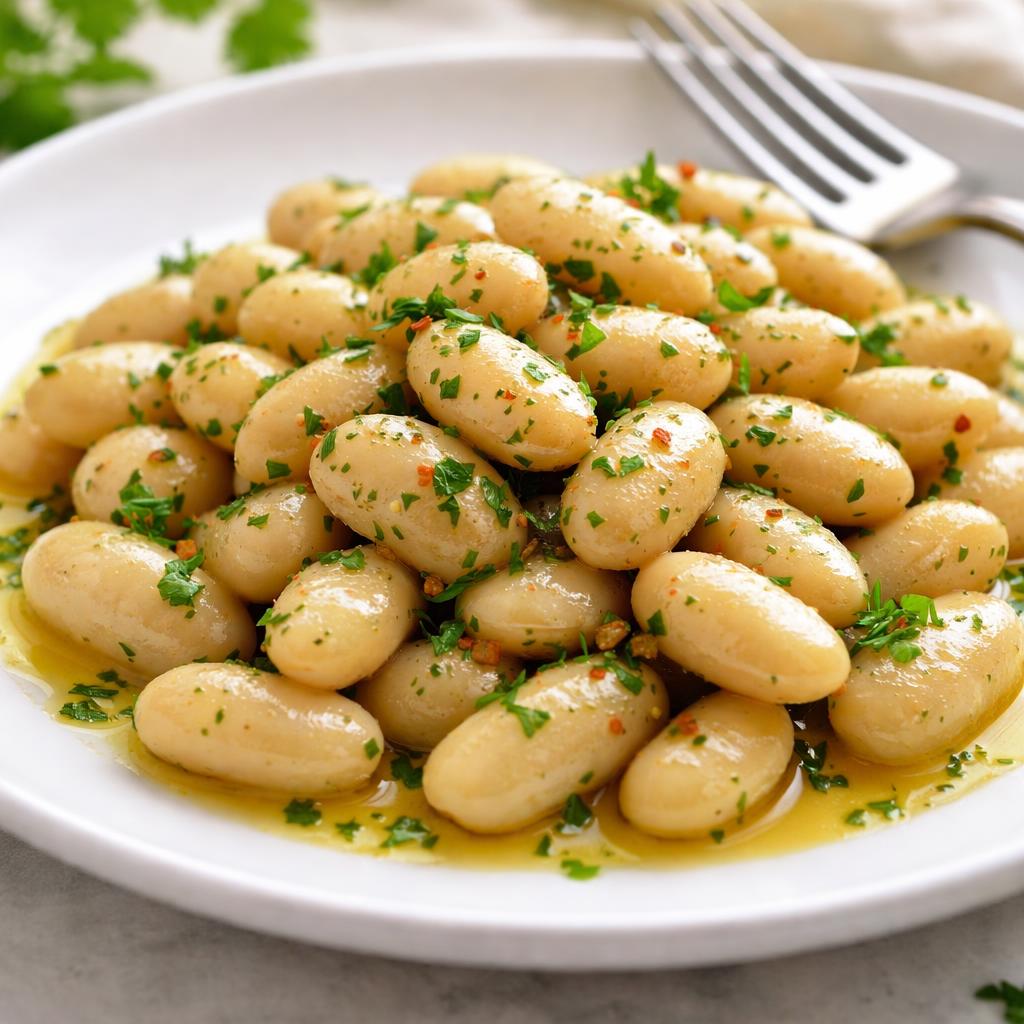
White Beans
🎯 Quick Verdict
Eggs are an excellent high-protein food with essential nutrients like choline and vitamin D, great for muscle building and overall health. White beans offer substantially more fiber and are rich in complex carbs, making them ideal for sustained energy and promoting digestive health. Eggs are best for low-carb or keto diets, while white beans excel in vegan and heart-friendly meal plans.

Smart Nutrition Tracking with SnapCalorie

📊 Nutritional Comparison
Macronutrients
| Nutrient | Food 1 | Food 2 | Winner |
|---|---|---|---|
| Calories | 70 | 160 | ✓ |
| Protein | 6g | 10g | ✓ |
| Carbs | 0.6g | 28g | ✓ |
| Fat | 5g | 0.8g | ✓ |
| Fiber | 0g | 6g | ✓ |
Vitamins & Minerals
| Nutrient | Food 1 | Food 2 | Winner |
|---|---|---|---|
| Vitamin D | 1mcg | 0mcg | ✓ |
| Calcium | 25mg | 60mg | ✓ |
| Iron | 0.9mg | 3.7mg | ✓ |
🏆 Category Winners
Protein
White beans offer 66% more protein per serving.
Fiber
White beans provide 6g of fiber versus none in eggs.
Calories
Eggs deliver 70 calories compared to 160 in white beans.
Vitamins
Eggs excel in vitamin D, while white beans are richer in calcium and iron.
🥗 Diet Compatibility
Keto
Food 1: Compatible
Food 2: Not Compatible
Eggs are low-carb, suitable for keto diets; white beans are high in carbs.
Vegan
Food 1: Not Compatible
Food 2: Compatible
Eggs are animal-derived while white beans are plant-based.
Gluten Free
Food 1: Compatible
Food 2: Compatible
Neither food contains gluten.
Paleo
Food 1: Compatible
Food 2: Not Compatible
Eggs fit the paleo diet; beans are excluded due to legume restrictions.
Low-Carb
Food 1: Compatible
Food 2: Not Compatible
Eggs contain minimal carbs, whereas beans are rich in complex carbs.
💪 Health Benefits Comparison
Food 1 Benefits
- High-quality protein for muscle repair and maintenance
- Rich in choline for brain health and liver function
- Contains vitamin D for bone health
Food 2 Benefits
- Excellent source of fiber for digestive health
- High in iron for improved oxygen transport in the blood
- Complex carbohydrates provide sustained energy
✅ The Bottom Line
Eggs are an unmatched choice for high protein, low carb, and keto-friendly diets. White beans offer superior fiber and iron content, making them ideal for plant-based meals and heart health. Choose eggs for quick energy and muscle-building, while white beans are better for filling, high-fiber dishes.
Choose Food 1 for: Keto diets, low calorie meals, muscle building
Choose Food 2 for: Vegan diets, heart health, sustained energy, digestive health


