Egg VS Turkey Sandwich
A detailed nutritional comparison
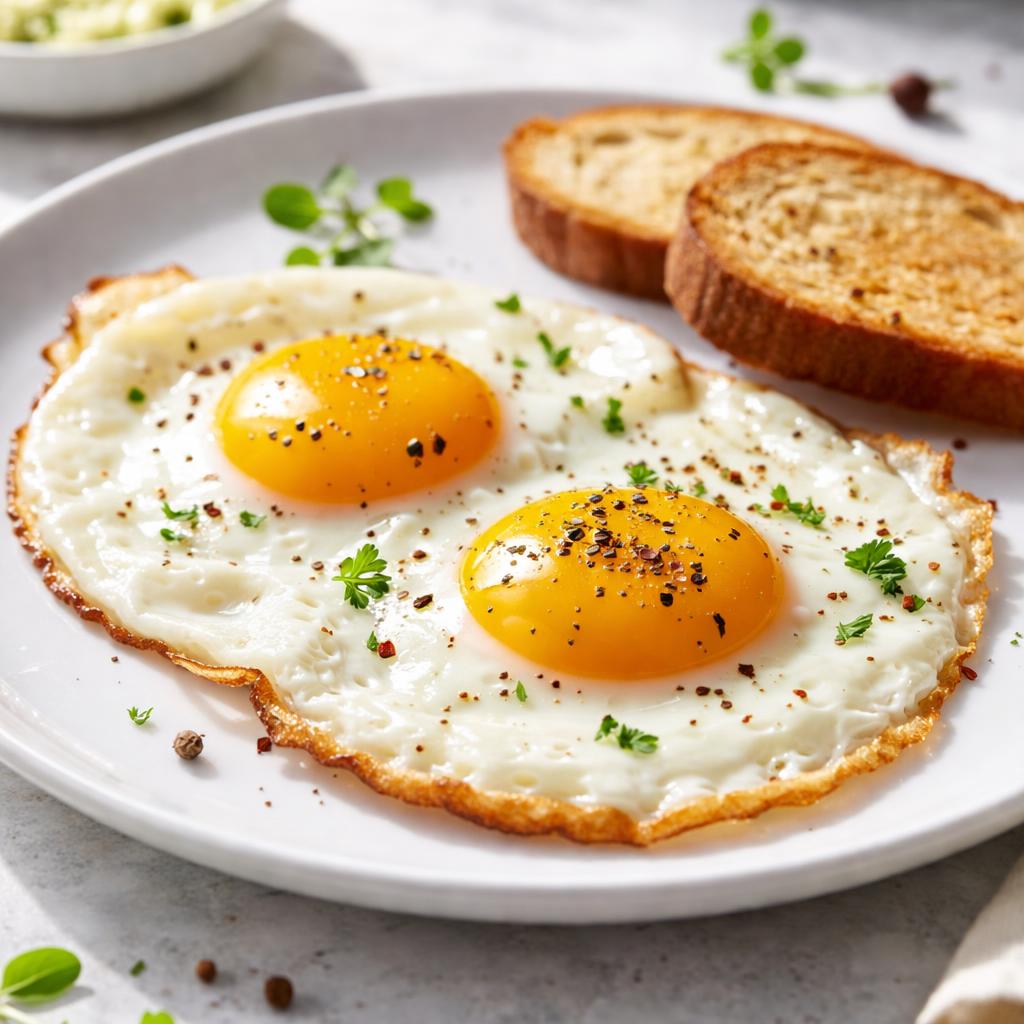
Egg
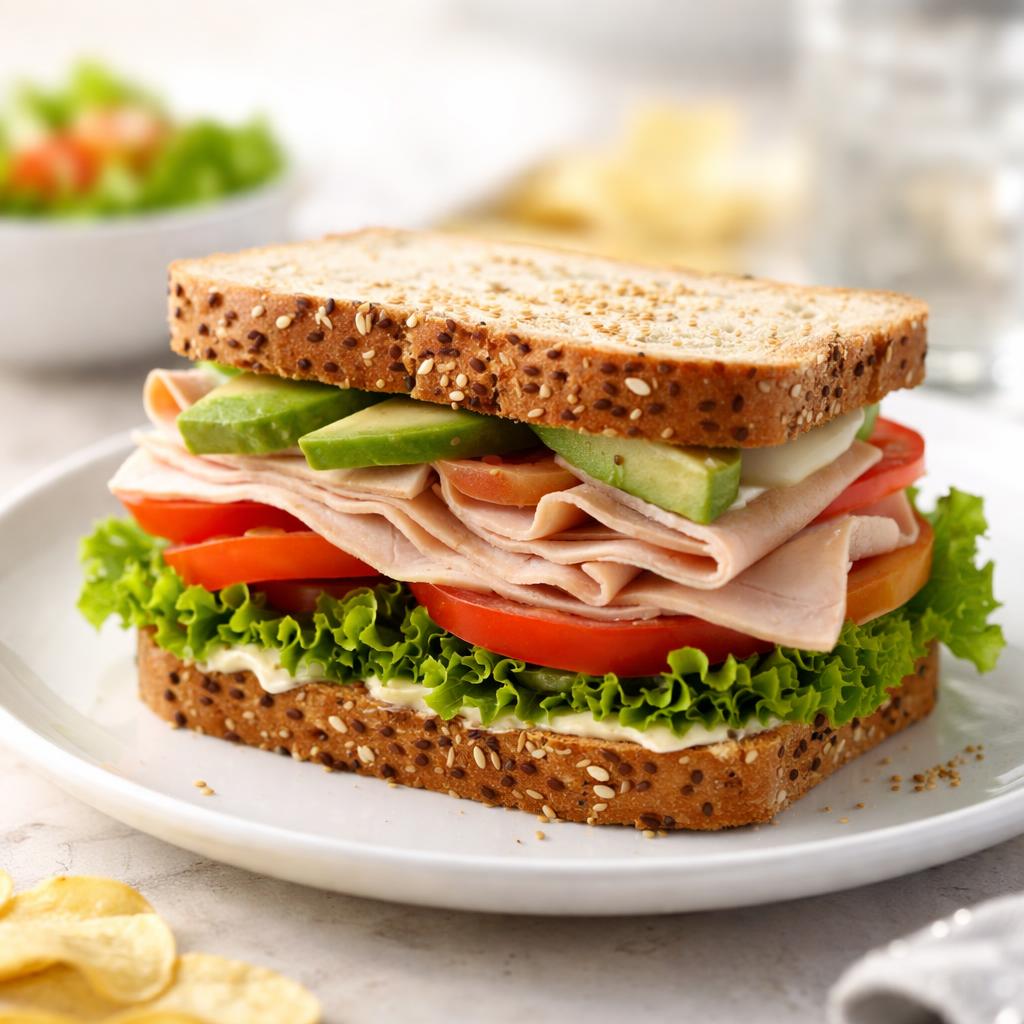
Turkey Sandwich
🎯 Quick Verdict
Eggs and turkey sandwiches offer distinct benefits depending on dietary needs. Eggs are lower in calories and higher in healthy fats, making them ideal for low-calorie diets, while turkey sandwiches provide more protein and fiber, suitable for muscle-building and sustained energy. Each food has unique nutritional profiles tailored to specific use cases.

Smart Nutrition Tracking with SnapCalorie

📊 Nutritional Comparison
Macronutrients
| Nutrient | Food 1 | Food 2 | Winner |
|---|---|---|---|
| Calories | 70 | 250 | ✓ |
| Protein | 6g | 15g | ✓ |
| Carbs | 0g | 35g | ✓ |
| Fat | 5g | 8g | ✓ |
| Fiber | 0g | 3g | ✓ |
Vitamins & Minerals
| Nutrient | Food 1 | Food 2 | Winner |
|---|---|---|---|
| Vitamin D | 1mcg | 0mcg | ✓ |
| Calcium | 25mg | 200mg | ✓ |
| Iron | 0.9mg | 1.5mg | ✓ |
| Vitamin C | 0mg | 6mg | ✓ |
🏆 Category Winners
Protein
Turkey sandwich contains 2.5x more protein than eggs.
Fiber
Turkey sandwich provides 3g of fiber, while eggs have none.
Calories
Eggs have significantly fewer calories, ideal for low-calorie diets.
🥗 Diet Compatibility
Keto
Food 1: Compatible
Food 2: Not Compatible
Eggs have no carbohydrates while turkey sandwiches contain 35g of carbs.
Vegan
Food 1: Not Compatible
Food 2: Not Compatible
Both foods are animal-based.
Gluten Free
Food 1: Compatible
Food 2: Not Compatible
Eggs are naturally gluten-free but turkey sandwiches often use wheat-based bread.
Paleo
Food 1: Compatible
Food 2: Not Compatible
Eggs align with paleo principles; turkey sandwiches commonly contain processed bread.
Low-Carb
Food 1: Compatible
Food 2: Not Compatible
Eggs are carb-free whereas turkey sandwiches contain 35g of carbs per serving.
💪 Health Benefits Comparison
Food 1 Benefits
- Low-calorie source of protein for weight management
- Rich in healthy fats to support brain function
- Contains Vitamin D for bone health
- Supports eye health due to lutein and zeaxanthin
Food 2 Benefits
- Provides high-quality protein for muscle growth
- Rich in fiber for improved digestion
- Contains Iron and Vitamin C for immune support
- Offers sustained energy due to balanced macronutrients
✅ The Bottom Line
Eggs are a better choice for low-carb, low-calorie diets and are suitable for keto and paleo lifestyles. Turkey sandwiches provide higher protein and fiber, making them ideal for muscle-building, heart-healthy diets, or sustained energy. Choose based on your specific dietary needs.
Choose Food 1 for: Low-carb diets, keto and paleo lifestyles, weight loss
Choose Food 2 for: Muscle-building, sustained energy, balanced macronutrient meals


