Egg VS Soft-Boiled Egg
A detailed nutritional comparison
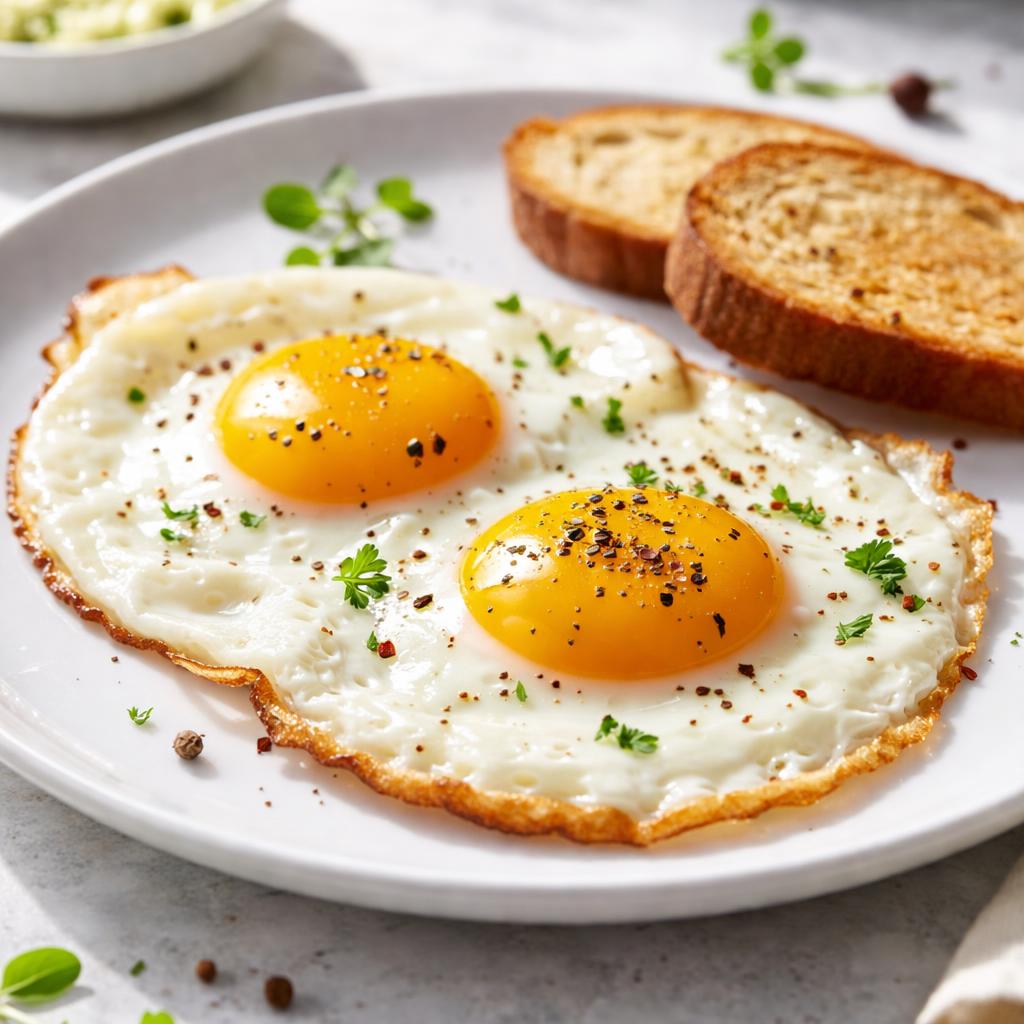
Egg

Soft-Boiled Egg
🎯 Quick Verdict
Eggs and soft-boiled eggs are nutritionally identical since cooking via soft boiling doesn't significantly alter their macro or micronutrient composition. Both offer excellent protein content and are great for low-carb diets. The choice between them depends more on texture and culinary preference than nutritional differences.

Smart Nutrition Tracking with SnapCalorie

📊 Nutritional Comparison
Macronutrients
| Nutrient | Food 1 | Food 2 | Winner |
|---|---|---|---|
| Calories | 68 | 68 | − |
| Protein | 6g | 6g | − |
| Carbs | 0.6g | 0.6g | − |
| Fat | 4.7g | 4.7g | − |
| Fiber | 0g | 0g | − |
Vitamins & Minerals
| Nutrient | Food 1 | Food 2 | Winner |
|---|---|---|---|
| Vitamin D | 1mcg | 1mcg | − |
| Calcium | 25mg | 25mg | − |
| Iron | 0.8mg | 0.8mg | − |
🏆 Category Winners
Protein
Both foods contain equal protein (6g per serving).
Fiber
Neither food provides fiber.
Calories
Both are calorie-equivalent at 68 calories per serving.
🥗 Diet Compatibility
Keto
Food 1: Compatible
Food 2: Compatible
Both are high in protein and low in carbs, ideal for ketogenic diets.
Vegan
Food 1: Not Compatible
Food 2: Not Compatible
Eggs are animal products and not suitable for vegan diets.
Gluten Free
Food 1: Compatible
Food 2: Compatible
Neither contains gluten.
Paleo
Food 1: Compatible
Food 2: Compatible
Eggs are a staple in paleo diets.
Low Carb
Food 1: Compatible
Food 2: Compatible
Both are extremely low in carbohydrates.
💪 Health Benefits Comparison
Food 1 Benefits
- Provides high-quality protein for muscle repair
- Rich in essential vitamins such as B12 for energy production
- Contains healthy fats for satiety and brain health
Food 2 Benefits
- Offers easily digestible protein for recovery
- Retains significant vitamins and minerals during soft boiling
- Contains healthy cholesterol that supports hormone regulation
✅ The Bottom Line
Both eggs and soft-boiled eggs are virtually identical in nutritional value. Choosing between them comes down to personal preference for texture and cooking style. Both are excellent sources of protein, vitamins, and healthy fats, making them versatile for various diets.
Choose Food 1 for: Any meal preparation requiring whole eggs; baking; high-protein diets.
Choose Food 2 for: Quick, portable meals; low-effort cooking; nutrient-preservation through gentle cooking.


