Egg VS Hollandaise Sauce
A detailed nutritional comparison

Egg
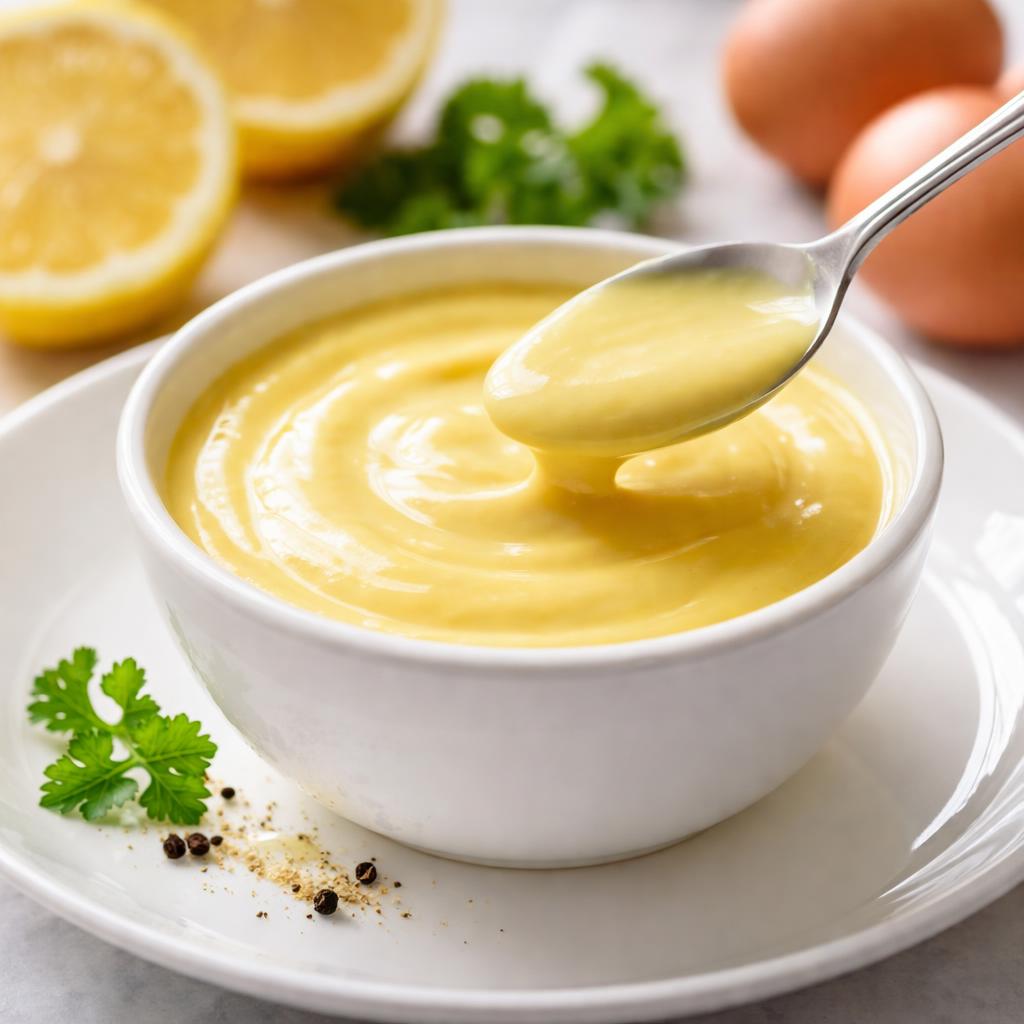
Hollandaise Sauce
🎯 Quick Verdict
Eggs are far more nutrient-dense than hollandaise sauce, offering significantly more protein and fewer calories. Hollandaise sauce, on the other hand, is calorie-rich with healthy fats but lacks fiber and protein. Eggs are ideal for high-protein and weight loss diets, while hollandaise suits indulgent meals where richness is desired.

Smart Nutrition Tracking with SnapCalorie

📊 Nutritional Comparison
Macronutrients
| Nutrient | Food 1 | Food 2 | Winner |
|---|---|---|---|
| Calories | 72 | 355 | ✓ |
| Protein | 6.3g | 2g | ✓ |
| Carbs | 0.6g | 0.96g | ✓ |
| Fat | 4.8g | 37g | ✓ |
| Fiber | 0g | 0g | − |
Vitamins & Minerals
| Nutrient | Food 1 | Food 2 | Winner |
|---|---|---|---|
| Vitamin A | 260 IU | 1475 IU | ✓ |
| Vitamin D | 1mcg | null | ✓ |
| Calcium | 25mg | 9mg | ✓ |
| Iron | 0.8mg | 0.2mg | ✓ |
🏆 Category Winners
Protein
Eggs have over three times as much protein as hollandaise sauce.
Fiber
Neither eggs nor hollandaise contain dietary fiber.
Calories
Eggs are much lower in calories (72 vs 355 per serving).
🥗 Diet Compatibility
Keto
Food 1: Compatible
Food 2: Compatible
Both are high-fat and low-carb foods.
Vegan
Food 1: Not Compatible
Food 2: Not Compatible
Both contain animal-based ingredients (eggs and butter).
Gluten Free
Food 1: Compatible
Food 2: Compatible
Neither food contains gluten.
Paleo
Food 1: Compatible
Food 2: Not Compatible
Eggs fit within paleo guidelines, whereas hollandaise typically uses processed butter.
Low-Carb
Food 1: Compatible
Food 2: Compatible
Both are very low in carbohydrates.
💪 Health Benefits Comparison
Food 1 Benefits
- Rich in high-quality protein essential for muscle repair and maintenance
- Provides essential nutrients like vitamin D and choline for brain function
- Low in calories, making it suitable for weight management
Food 2 Benefits
- High in healthy fats, which can support hormonal health
- Contains significant amounts of vitamin A, critical for vision and skin health
- Provides flavor and satiation, enhancing meal satisfaction
✅ The Bottom Line
Eggs are a versatile, nutrient-dense option packed with protein and fewer calories, ideal for weight-loss diets and balancing meals. Hollandaise sauce is rich but best suited as a topping or accompaniment for indulgent dishes due to its high fat and calorie content.
Choose Food 1 for: Weight management, high-protein diets, balanced meals
Choose Food 2 for: Rich, indulgent topping for flavor enhancement in gourmet meals


