Egg VS Fried Fish
A detailed nutritional comparison

Egg
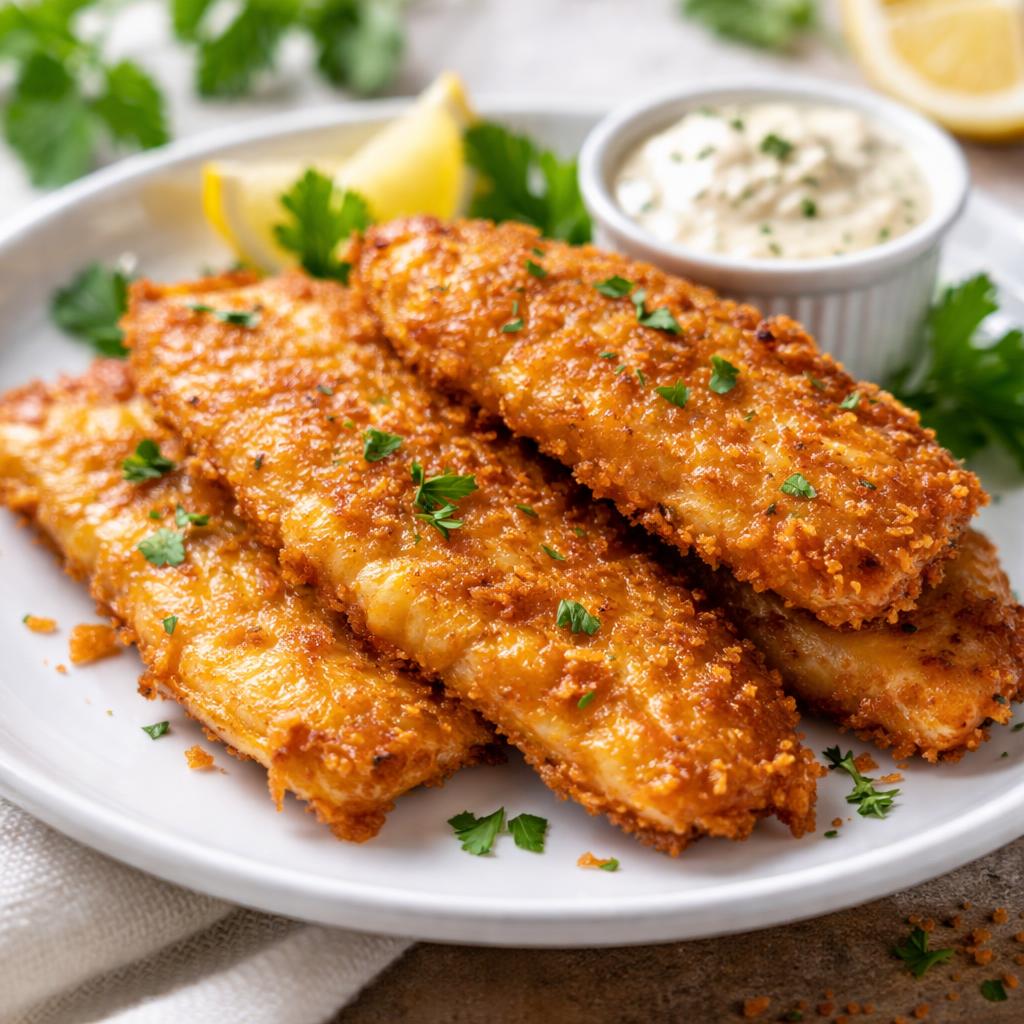
Fried Fish
🎯 Quick Verdict
Eggs and fried fish differ significantly in their nutritional profiles. Eggs are lower in calories and fat, making them ideal for weight management, while fried fish provides more essential omega-3 fatty acids and overall minerals. Both foods deliver high-quality protein, but fried fish edges out for micronutrient density and heart-healthy fats.

Smart Nutrition Tracking with SnapCalorie

📊 Nutritional Comparison
Macronutrients
| Nutrient | Food 1 | Food 2 | Winner |
|---|---|---|---|
| Calories | 78 | 200 | ✓ |
| Protein | 6g | 17g | − |
| Carbs | 0.6g | 11g | ✓ |
| Fat | 5g | 14g | ✓ |
| Fiber | 0g | 0g | − |
Vitamins & Minerals
| Nutrient | Food 1 | Food 2 | Winner |
|---|---|---|---|
| Vitamin D | 1.1mcg | 3.2mcg | ✓ |
| Calcium | 25mg | 35mg | ✓ |
| Iron | 0.6mg | 1.8mg | ✓ |
🏆 Category Winners
Protein
Both foods provide complete, high-quality protein.
Fiber
Neither food contains dietary fiber.
Calories
Egg contains less than half the calories of fried fish.
Vitamins
Fried fish has higher levels of vitamin D, calcium, and iron.
🥗 Diet Compatibility
Keto
Food 1: Compatible
Food 2: Compatible
Both are low-carb and high-protein.
Vegan
Food 1: Not Compatible
Food 2: Not Compatible
Both are animal-based products.
Gluten Free
Food 1: Compatible
Food 2: Potentially Non-Compatible
Egg is naturally gluten-free, but fried fish may include breading containing gluten.
Paleo
Food 1: Compatible
Food 2: Compatible
Both align with paleo guidelines for whole, high-protein foods.
Low-Carb
Food 1: Compatible
Food 2: Compatible
Both are low in carbohydrates, suitable for low-carb diets.
💪 Health Benefits Comparison
Food 1 Benefits
- Low in calories, ideal for weight management
- Rich in choline for brain health
- Good source of high-quality protein for muscle maintenance
- Contains antioxidants like lutein and zeaxanthin for eye health
Food 2 Benefits
- High in omega-3 fatty acids for heart health
- Rich in vitamin D for bone health
- Good source of protein for muscle repair
- Contains valuable minerals like iron and potassium
✅ The Bottom Line
Choose eggs if you're looking for a low-calorie, budget-friendly protein source that also supports eye health and brain health. Opt for fried fish if you want nutrient-dense food rich in heart-healthy omega-3s and essential vitamins and minerals.
Choose Food 1 for: Weight management, affordable protein, brain health
Choose Food 2 for: Heart health, bone health, nutrient density


