Egg VS Braised Beef
A detailed nutritional comparison

Egg
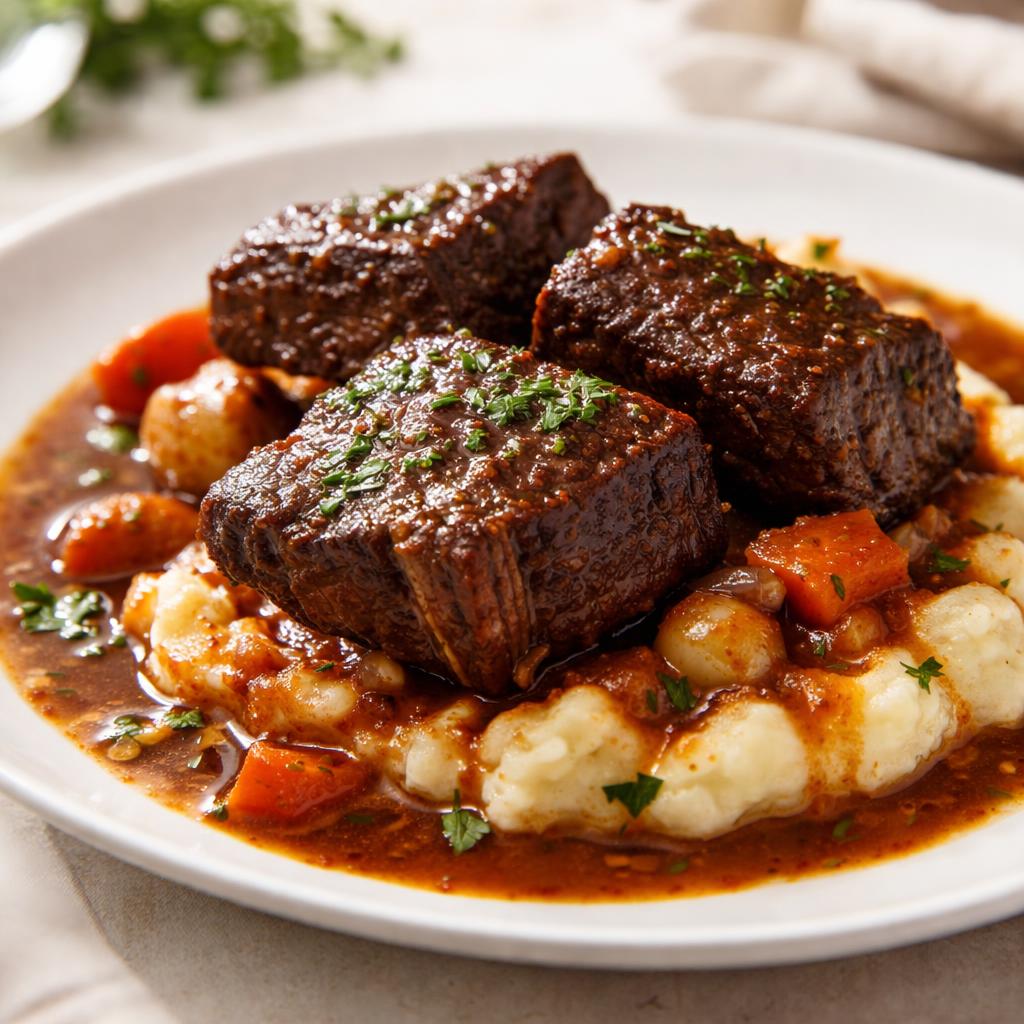
Braised Beef
🎯 Quick Verdict
Eggs and braised beef are both excellent protein sources, but their nutritional profiles differ significantly. Eggs are lower in calories and provide essential nutrients like choline and vitamin D, while braised beef offers higher protein content and more iron. Eggs are ideal for weight-conscious diets, whereas braised beef is perfect for muscle-building and iron-rich meals.

Smart Nutrition Tracking with SnapCalorie

📊 Nutritional Comparison
Macronutrients
| Nutrient | Food 1 | Food 2 | Winner |
|---|---|---|---|
| Calories | 68 per large egg | 215 per 100g | ✓ |
| Protein | 6g per large egg | 26g per 100g | ✓ |
| Carbs | 0.4g per large egg | 0g per 100g | ✓ |
| Fat | 4.8g per large egg | 14g per 100g | ✓ |
| Fiber | 0g (not applicable) | 0g (not applicable) | − |
Vitamins & Minerals
| Nutrient | Food 1 | Food 2 | Winner |
|---|---|---|---|
| Vitamin D | 1.1mcg per egg | 0mcg per 100g | ✓ |
| Choline | 147mg per egg | 0mg per 100g | ✓ |
| Iron | 0.9mg per egg | 2.6mg per 100g | ✓ |
🏆 Category Winners
Protein
Braised beef contains significantly more protein at 26g per serving compared to egg's 6g per serving.
Fiber
Neither food contains dietary fiber.
Calories
Eggs are lower in calories, with just 68 calories per serving compared to braised beef's 215 calories per 100g.
Vitamins
Eggs provide critical vitamins like choline and vitamin D, which are absent in braised beef.
🥗 Diet Compatibility
Keto
Food 1: Compatible
Food 2: Compatible
Both foods are low-carb and suitable for ketogenic diets.
Vegan
Food 1: Not Compatible
Food 2: Not Compatible
Both foods are animal products and therefore not vegan.
Gluten Free
Food 1: Compatible
Food 2: Compatible
Neither food contains gluten, making them safe for gluten-sensitive individuals.
Paleo
Food 1: Compatible
Food 2: Compatible
Both foods fit within the paleo diet framework as whole, minimally processed animal foods.
Low-Carb
Food 1: Compatible
Food 2: Compatible
Both foods are very low in carbohydrates, making them appropriate for low-carb diets.
💪 Health Benefits Comparison
Food 1 Benefits
- Rich in choline, which supports brain health and liver function
- Provides vitamin D, essential for bone health and immunity
- Contains high-quality protein for muscle repair
Food 2 Benefits
- Excellent source of iron for oxygen transport and preventing anemia
- High protein content supports muscle growth and recovery
- Provides zinc, which aids in immune function and wound healing
✅ The Bottom Line
Eggs are the better choice for calorie-conscious diets and for obtaining certain nutrients like choline and vitamin D. Braised beef is excellent for those seeking a higher protein intake and iron-rich food. Both are versatile and compatible with many diets but serve different nutritional needs.
Choose Food 1 for: Weight loss, breakfast dishes, vitamin D intake
Choose Food 2 for: Muscle-building, iron-enriched meals, hearty dinners


