Egg VS Boiled Potatoes
A detailed nutritional comparison

Egg
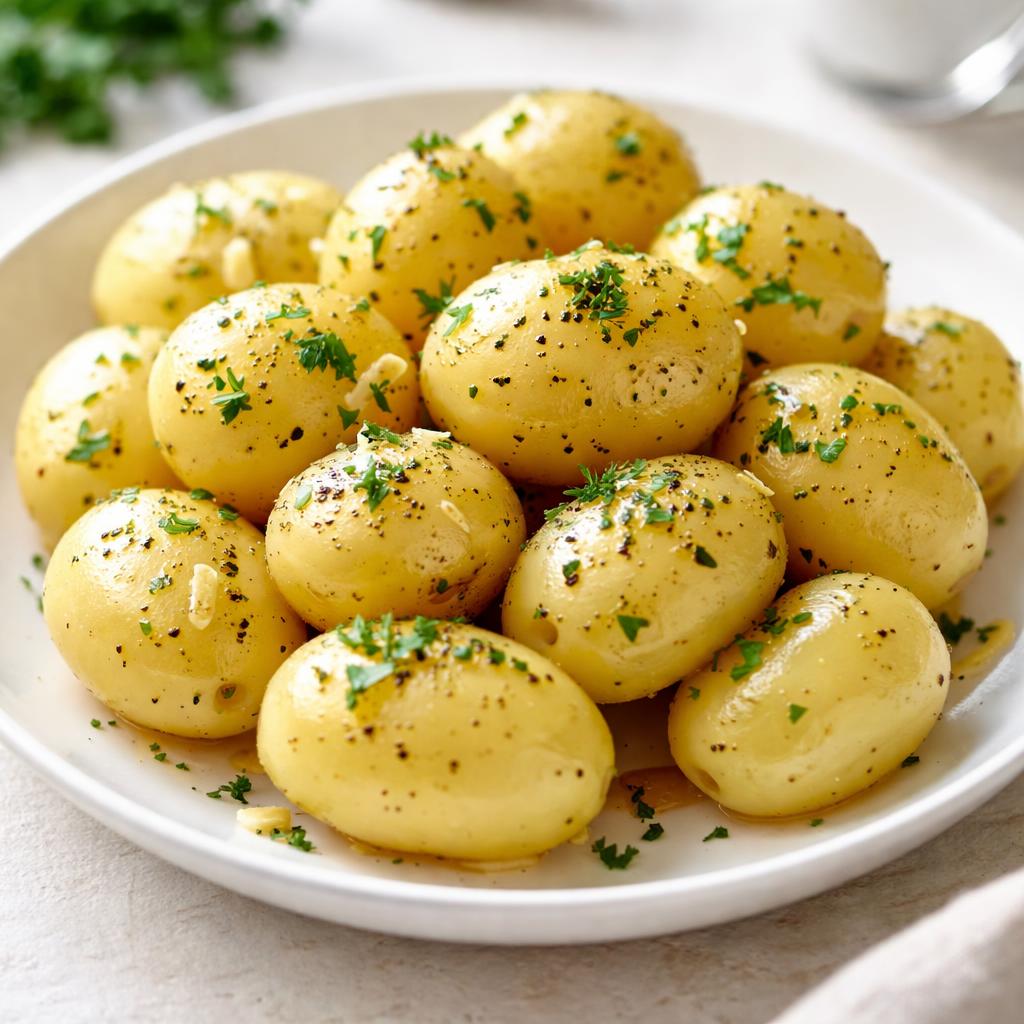
Boiled Potatoes
🎯 Quick Verdict
Eggs and boiled potatoes differ significantly in their macronutrient profiles. Eggs are richer in protein and fats, making them suitable for high-protein and low-carb diets. Boiled potatoes are lower in calories and higher in fiber, making them ideal for sustained energy and digestive health. Choosing between them depends on dietary goals such as weight loss, muscle building, or overall nutrient density.

Smart Nutrition Tracking with SnapCalorie

📊 Nutritional Comparison
Macronutrients
| Nutrient | Food 1 | Food 2 | Winner |
|---|---|---|---|
| Calories | 70 kcal | 87 kcal | ✓ |
| Protein | 6g | 2g | ✓ |
| Carbs | 0g | 20g | ✓ |
| Fat | 5g | 0.1g | ✓ |
| Fiber | 0g | 2g | ✓ |
Vitamins & Minerals
| Nutrient | Food 1 | Food 2 | Winner |
|---|---|---|---|
| Vitamin D | 2mcg | 0mcg | ✓ |
| Vitamin C | 0mg | 20mg | ✓ |
| Potassium | 69mg | 396mg | ✓ |
| Iron | 1mg | 0.9mg | ✓ |
🏆 Category Winners
Protein
Eggs contain 3x more protein per serving than boiled potatoes.
Fiber
Boiled potatoes provide 2g of fiber per serving, while eggs contain none.
Calories
Eggs are slightly lower in calories with 70kcal per serving compared to 87kcal for boiled potatoes.
Vitamins
Boiled potatoes excel in Vitamin C and Potassium content, key nutrients that eggs lack.
🥗 Diet Compatibility
Keto
Food 1: Compatible
Food 2: Not Compatible
Eggs are low-carb and fit well into keto diets.
Vegan
Food 1: Not Compatible
Food 2: Compatible
Eggs are animal-derived, whereas potatoes are plant-based.
Gluten Free
Food 1: Compatible
Food 2: Compatible
Both foods are naturally gluten-free.
Paleo
Food 1: Compatible
Food 2: Compatible
Both eggs and potatoes are allowed in paleo diets.
Low-Carb
Food 1: Compatible
Food 2: Not Compatible
Eggs have 0g of carbs, making them suitable for low-carb diets.
💪 Health Benefits Comparison
Food 1 Benefits
- High-quality protein for muscle repair and maintenance
- Rich in Vitamin D for bone health
- Contains choline for brain function
Food 2 Benefits
- Excellent source of fiber for digestive health
- High in Vitamin C for immune system support
- Rich in potassium for healthy blood pressure regulation
✅ The Bottom Line
Eggs are an excellent choice for protein-focused diets, weight loss, or low-carb plans, while boiled potatoes are better for energy, fiber intake, and overall micronutrient richness. Both foods can complement each other depending on dietary needs.
Choose Food 1 for: Low-carb diets, muscle building, breakfast meals
Choose Food 2 for: Energy, digestive health, vegan diets


