Cucumber VS Tea
A detailed nutritional comparison
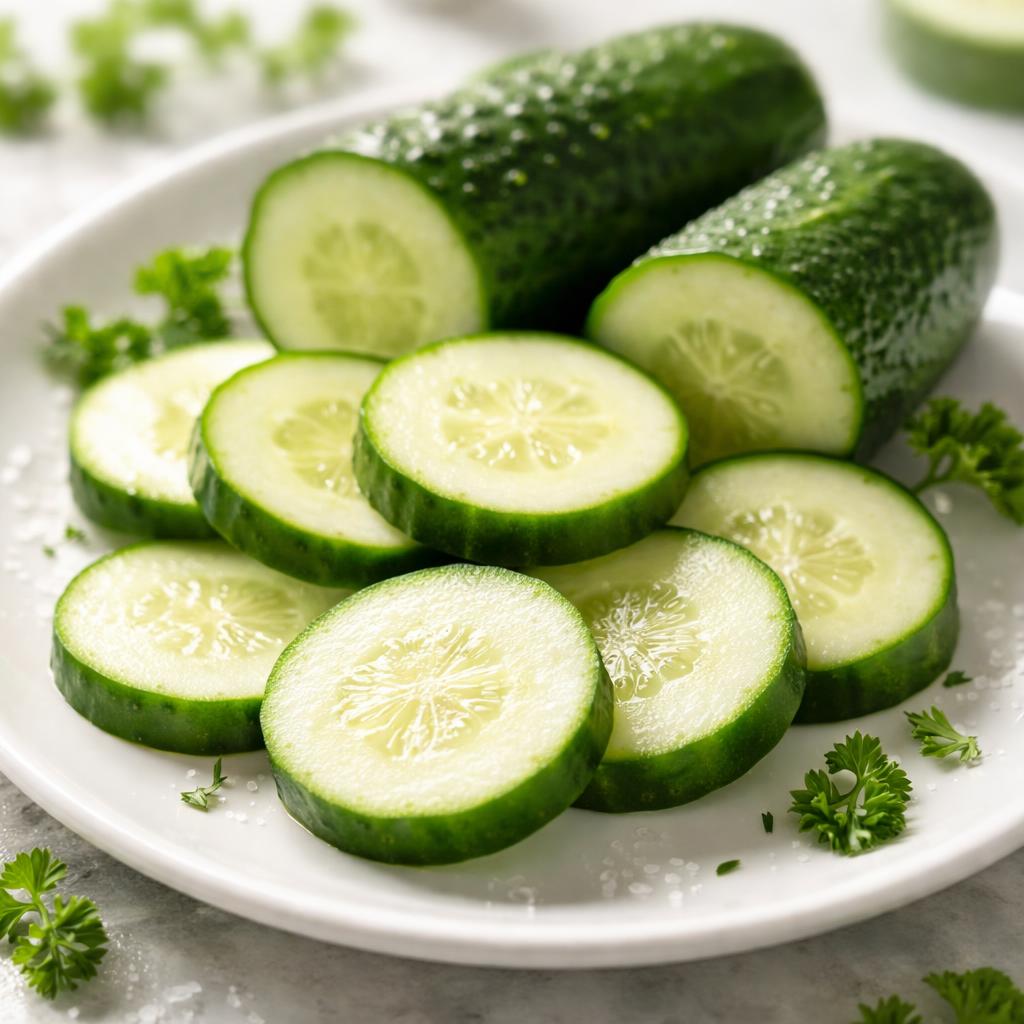
Cucumber
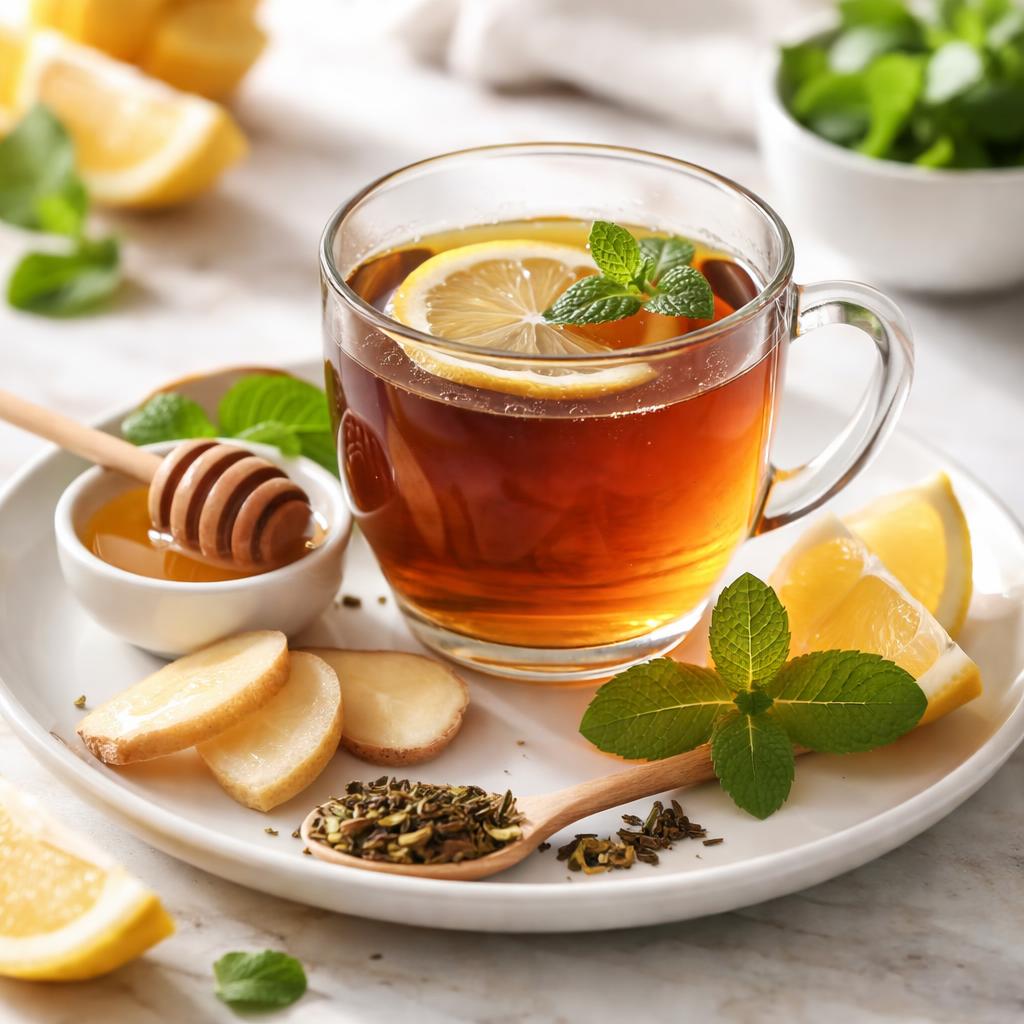
Tea
🎯 Quick Verdict
Cucumber and tea serve very different dietary roles. Cucumber provides low calories, mild protein, and fiber, while tea offers no protein or fiber but delivers antioxidants and bioactive compounds. Cucumber is ideal for hydration and fiber, while tea excels as a calorie-free beverage with potential health benefits like reduced inflammation and improved focus.

Smart Nutrition Tracking with SnapCalorie

📊 Nutritional Comparison
Macronutrients
| Nutrient | Food 1 | Food 2 | Winner |
|---|---|---|---|
| Calories | 15 (per 100g) | 0 per cup | − |
| Protein | 0.6g (per 100g) | 0g per cup | − |
| Carbs | 3.6g (per 100g) | 0g per cup | − |
| Fat | 0.1g (per 100g) | 0g per cup | − |
| Fiber | 0.5g (per 100g) | 0g per cup | − |
Vitamins & Minerals
| Nutrient | Food 1 | Food 2 | Winner |
|---|---|---|---|
| Vitamin C | 2.8mg (per 100g) | not significant | − |
| Vitamin K | 16.4mcg (per 100g) | not significant | − |
| Potassium | 150mg (per 100g) | not significant | − |
🏆 Category Winners
Protein
Cucumber contains 0.6g of protein per 100g, whereas tea has no protein content.
Fiber
Cucumber provides 0.5g of fiber per 100g, while tea contains no fiber.
Calories
Both cucumber (15 per 100g) and tea (0 per cup) are extremely low-calorie options.
Vitamins
Cucumber contains vitamin C, vitamin K, and potassium, while tea does not provide significant amounts of vitamins but offers antioxidants.
🥗 Diet Compatibility
Keto
Food 1: Compatible
Food 2: Compatible
Both are low-carb and fit perfectly into a keto plan.
Vegan
Food 1: Compatible
Food 2: Compatible
Both cucumber and tea are fully plant-based.
Gluten Free
Food 1: Compatible
Food 2: Compatible
Neither cucumber nor tea contains gluten.
Paleo
Food 1: Compatible
Food 2: Compatible
Both are unprocessed, natural foods aligning with Paleo guidelines.
Low-Carb
Food 1: Compatible
Food 2: Compatible
Both foods are extremely low in carbohydrates, making them great choices for low-carb diets.
💪 Health Benefits Comparison
Food 1 Benefits
- Hydrating due to high water content (95%)
- Rich in vitamin K to support bone health
- Contains fiber for digestive wellness
- Low-calorie snack suitable for weight control
Food 2 Benefits
- Rich in antioxidants (e.g., catechins in green tea) for reducing inflammation
- May improve focus and cognition due to caffeine content
- Promotes heart health through polyphenols
- Zero calories, making it an excellent beverage choice for weight management
✅ The Bottom Line
Cucumber is best for hydration, mild fiber intake, and adding vitamins to your diet, whereas tea is ideal for antioxidant support, improved focus, and zero-calorie hydration. Choose cucumber as a snack or salad option and tea as a healthy beverage alternative.
Choose Food 1 for: Hydration, digestive health, lightweight meals/snacks
Choose Food 2 for: Improved focus, anti-inflammatory benefits, calorie-free hydration


