Cucumber VS Steamed Cauliflower
A detailed nutritional comparison
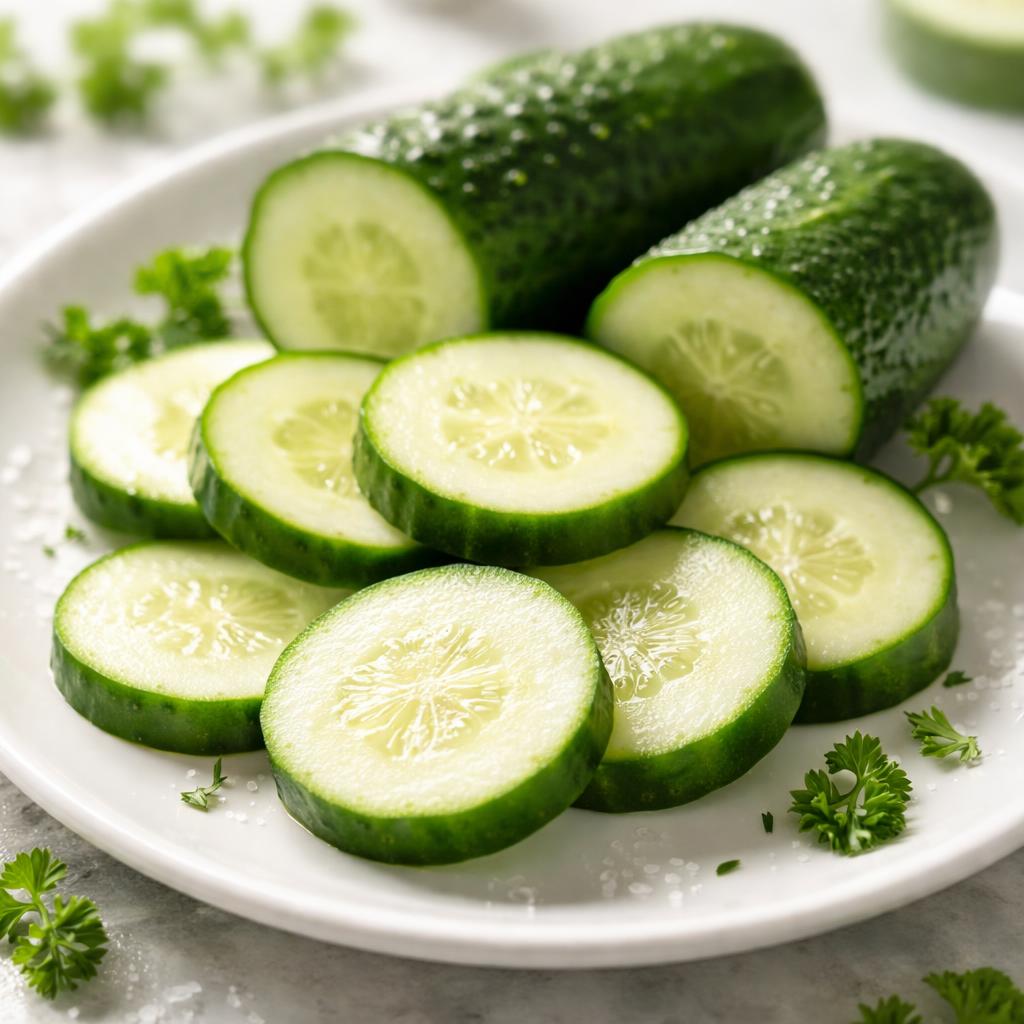
Cucumber
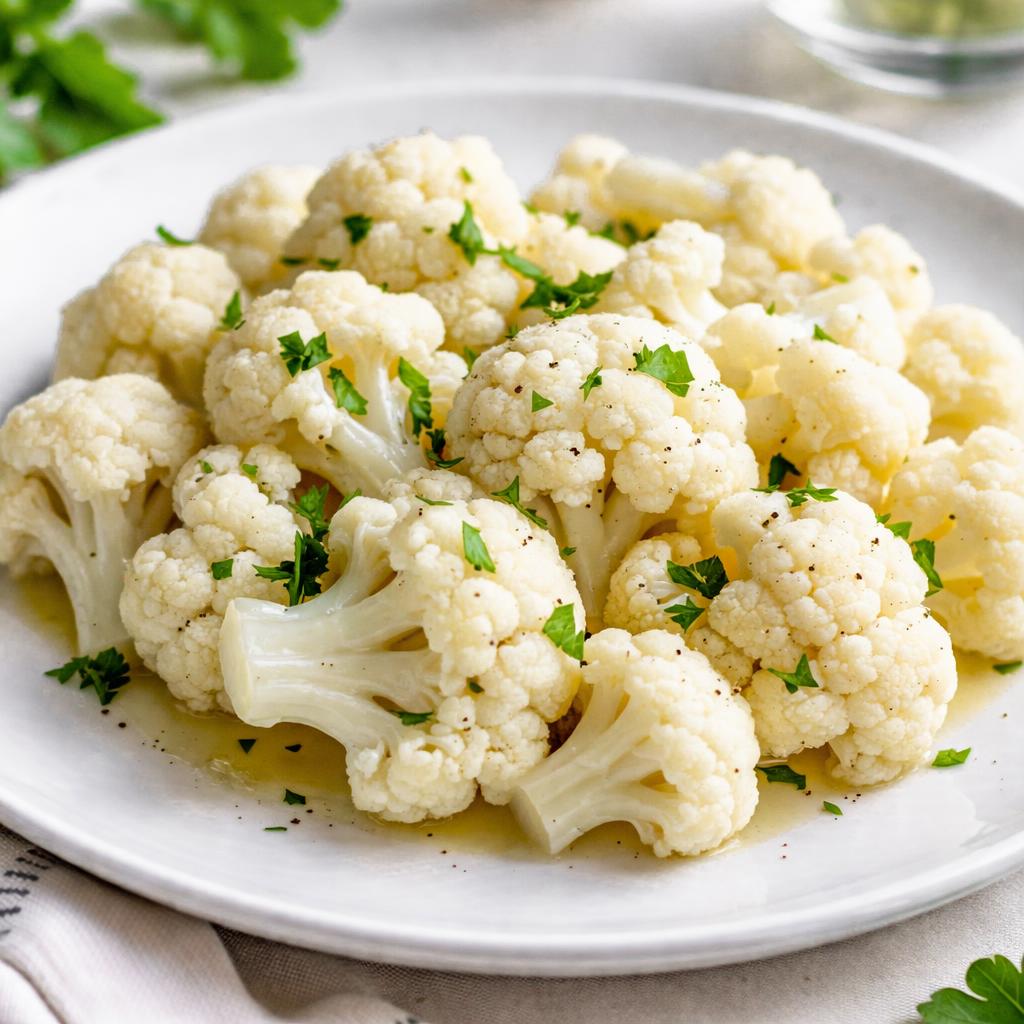
Steamed Cauliflower
🎯 Quick Verdict
Cucumber is lower in calories, carbohydrates, and fat, making it ideal for weight-loss diets or hydrating snacks. Steamed cauliflower offers more protein, fiber, and essential vitamins, making it better for overall nutrient density and versatile recipes. Both are excellent plant-based foods suitable for a wide range of diets.

Smart Nutrition Tracking with SnapCalorie

📊 Nutritional Comparison
Macronutrients
| Nutrient | Food 1 | Food 2 | Winner |
|---|---|---|---|
| Calories | 15 | 25 | ✓ |
| Protein | 0.6g | 2g | ✓ |
| Carbs | 3.6g | 5g | ✓ |
| Fat | 0.1g | 0.3g | ✓ |
| Fiber | 0.5g | 2.1g | ✓ |
Vitamins & Minerals
| Nutrient | Food 1 | Food 2 | Winner |
|---|---|---|---|
| Vitamin C | 3mg | 48mg | ✓ |
| Vitamin K | 16mcg | 18.5mcg | ✓ |
| Potassium | 150mg | 320mg | ✓ |
| Folate | 7mcg | 55mcg | ✓ |
🏆 Category Winners
Protein
Cauliflower contains over 3 times more protein per serving compared to cucumber.
Fiber
Cauliflower offers 4 times more fiber per serving than cucumber.
Calories
Cucumber is extremely low in calories, with just 15 calories per serving.
Vitamins
Cauliflower has higher levels of most vitamins, including vitamin C, folate, and potassium.
🥗 Diet Compatibility
Keto
Food 1: Compatible
Food 2: Compatible
Both foods are low in carbohydrates and ideal for keto diets.
Vegan
Food 1: Compatible
Food 2: Compatible
Both are plant-based and fit vegan diets.
Gluten Free
Food 1: Compatible
Food 2: Compatible
Neither contains gluten, making them suitable for gluten-free diets.
Paleo
Food 1: Compatible
Food 2: Compatible
Both fit paleo guidelines as whole, unprocessed vegetables.
Low Carb
Food 1: Compatible
Food 2: Compatible
Both are low in carbohydrates, with cucumber being extremely low and cauliflower moderately low.
💪 Health Benefits Comparison
Food 1 Benefits
- Incredibly low in calories, ideal for weight loss
- Very hydrating, with high water content
- Contains antioxidants like beta-carotene
Food 2 Benefits
- Rich in vitamin C, boosting immune function
- High in fiber for improved digestion
- Contains folate, supporting cellular health
- Provides potassium for heart health
✅ The Bottom Line
Cucumber is best for hydration, calorie control, and as a snack or salad ingredient. Steamed cauliflower excels in nutrient density, being a great choice for balanced meals or side dishes rich in fiber and vitamins. Choose cucumber for a light option and cauliflower for superior nutrition.
Choose Food 1 for: Hydration, weight loss, light snacks, refreshing sides
Choose Food 2 for: Balanced meals, digestion support, high nutrient requirements, immune support


