Cucumber VS Seaweed
A detailed nutritional comparison
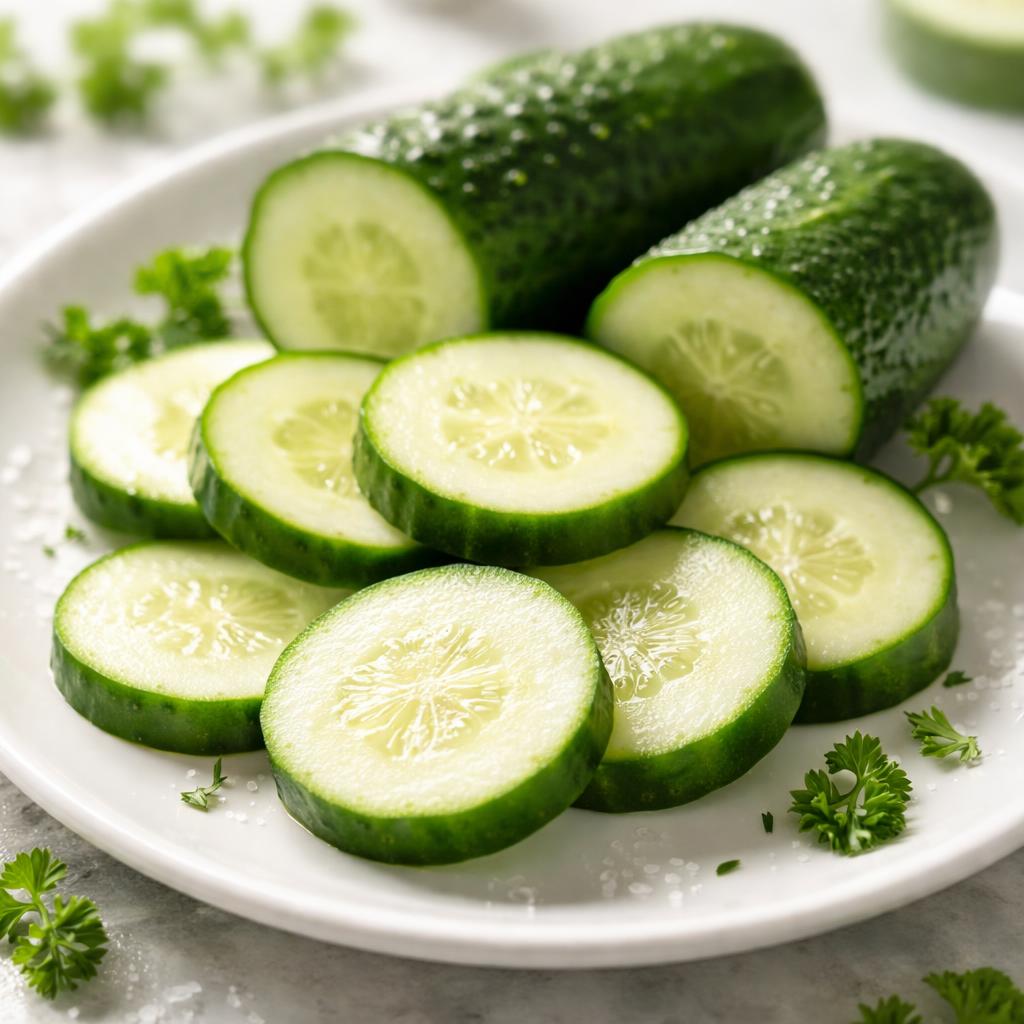
Cucumber
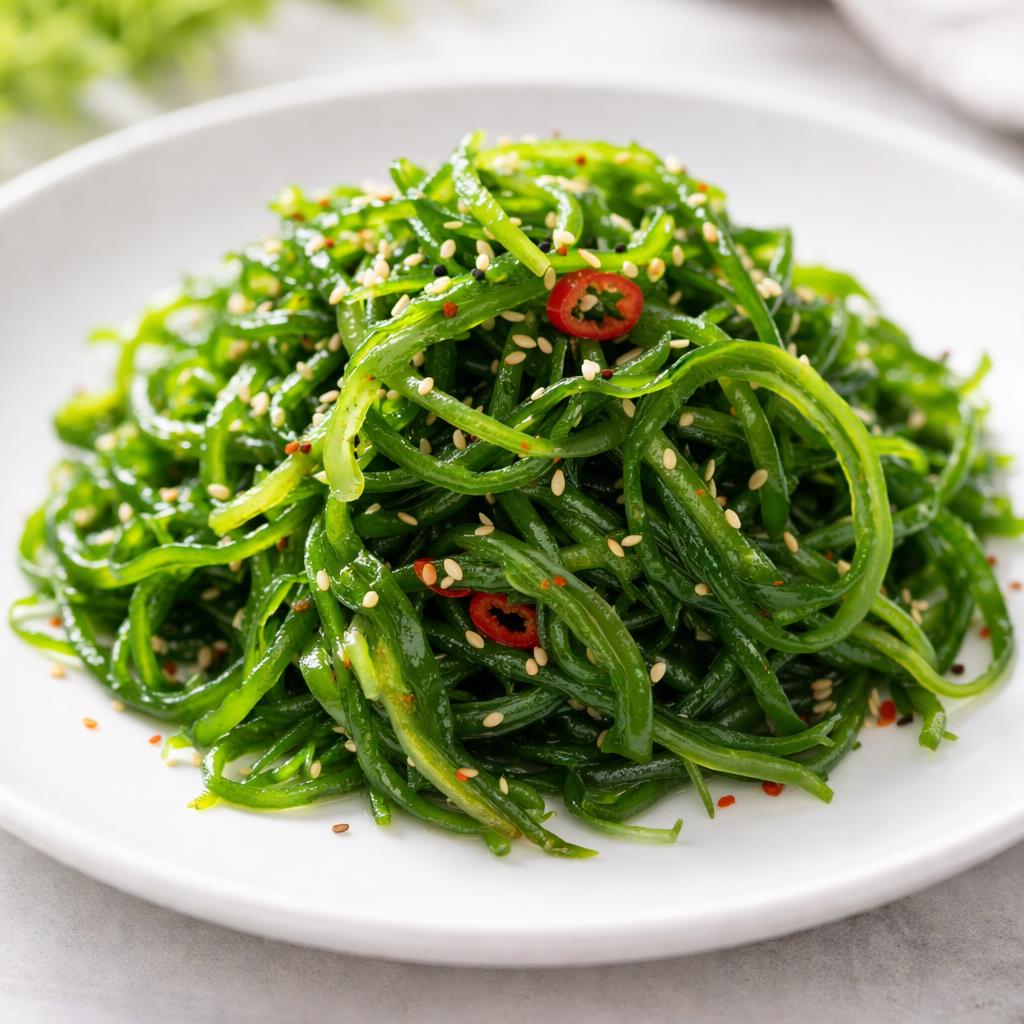
Seaweed
🎯 Quick Verdict
Seaweed outperforms cucumber in protein and fiber content, making it a nutrient-dense option for overall health. Cucumber, however, shines as a hydrating, low-calorie snack with trace vitamins. Choose cucumber for hydration and weight loss, and seaweed for nutrient density and gut health.

Smart Nutrition Tracking with SnapCalorie

📊 Nutritional Comparison
Macronutrients
| Nutrient | Food 1 | Food 2 | Winner |
|---|---|---|---|
| Calories | 16 (per 100g) | 16 (per 100g) | − |
| Protein | 0.7g | 1.8g | − |
| Carbs | 3.6g | 9.6g | − |
| Fat | 0.1g | 0.6g | − |
| Fiber | 0.5g | 3g | − |
Vitamins & Minerals
| Nutrient | Food 1 | Food 2 | Winner |
|---|---|---|---|
| Vitamin C | 2.8mg | 0.9mg | − |
| Vitamin K | 16.4mcg | 34mcg | − |
| Iron | 0.3mg | 2.0mg | − |
| Calcium | 16mg | 70mg | − |
| Magnesium | 15mg | 30mg | − |
🏆 Category Winners
Protein
Seaweed has over twice as much protein per 100g compared to cucumber.
Fiber
Seaweed contains six times more fiber than cucumber, promoting better digestion.
Calories
Both cucumber and seaweed are extremely low-calorie foods at 16 calories per 100g.
Vitamins
Seaweed wins in minerals like calcium and iron but offers less vitamin C than cucumber.
🥗 Diet Compatibility
Keto
Food 1: Compatible
Food 2: Compatible
Both foods are low-carb and keto-friendly.
Vegan
Food 1: Compatible
Food 2: Compatible
Both foods are plant-based and suitable for vegan diets.
Gluten Free
Food 1: Compatible
Food 2: Compatible
Neither contains gluten.
Paleo
Food 1: Compatible
Food 2: Compatible
Both are whole, unprocessed foods allowed on paleo diets.
Low Carb
Food 1: Compatible
Food 2: Compatible
Cucumber and seaweed both have very low carbohydrate content making them suitable for low-carb diets.
💪 Health Benefits Comparison
Food 1 Benefits
- Extremely hydrating due to high water content (95%)
- Low in calories, perfect for weight loss diets
- Rich in vitamin C for skin health and immunity
Food 2 Benefits
- High in iodine to improve thyroid function
- Rich in fiber, supporting digestive health and gut bacteria
- Good source of iron for oxygen transport and energy levels
- Contains antioxidants which combat free radicals
✅ The Bottom Line
Seaweed is ideal when looking for a nutrient-dense food rich in minerals, fiber, and protein, while cucumber serves as a hydrating, low-calorie option. Use cucumber for refreshing snacks or salads, and opt for seaweed to boost key nutrients like iodine and iron.
Choose Food 1 for: Hydration, low-calorie meals, weight loss salads
Choose Food 2 for: Gut health, nutrient-dense diets, thyroid and energy support


