Cucumber VS Salt
A detailed nutritional comparison
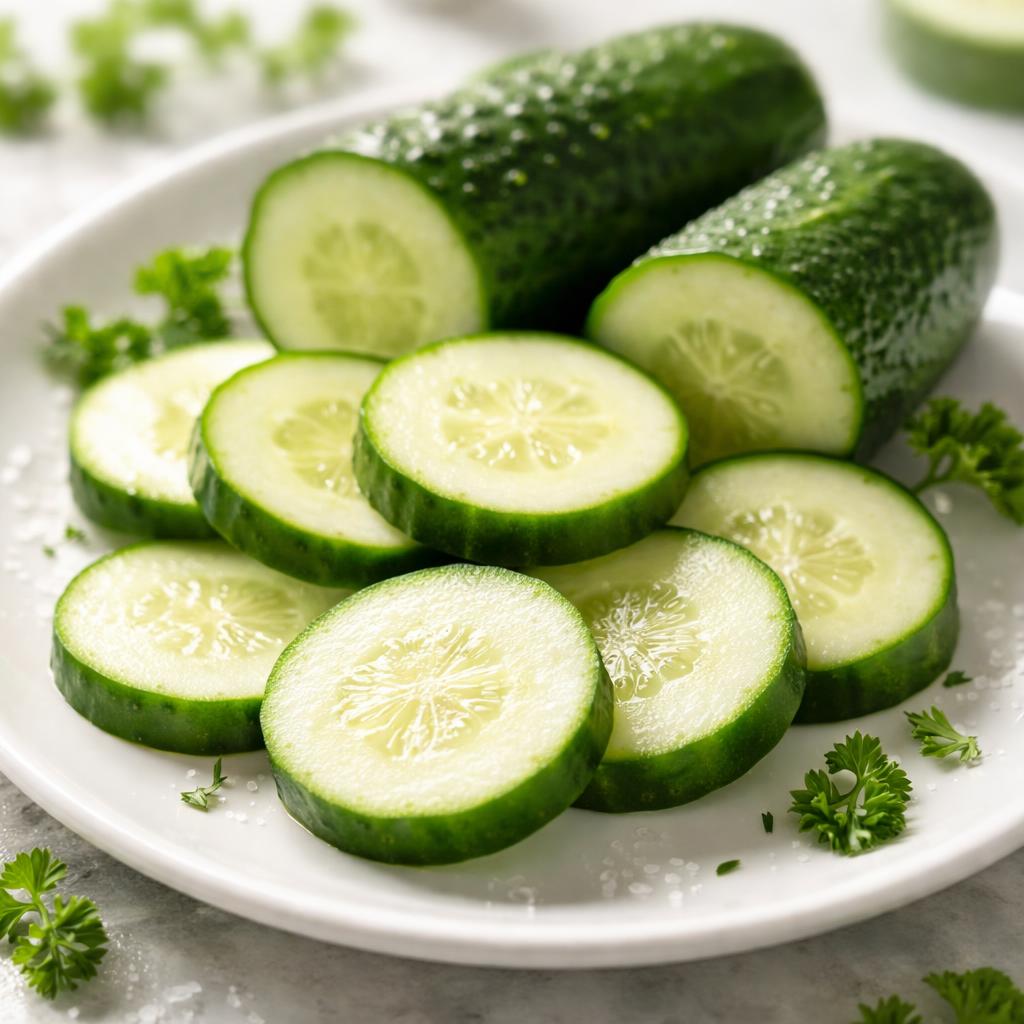
Cucumber
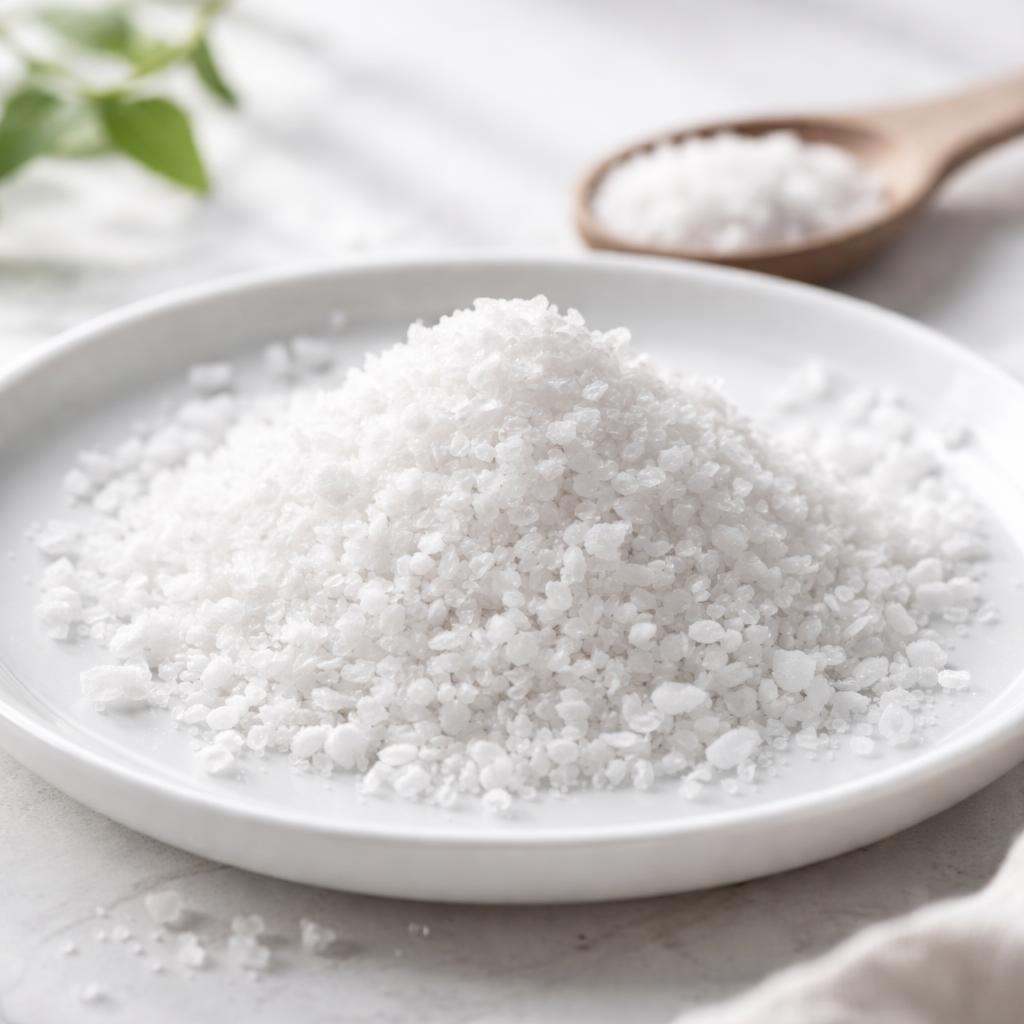
Salt
🎯 Quick Verdict
Cucumber significantly outshines salt as a nutrient-rich food. It offers hydration, fiber, and trace amounts of vitamins and minerals, whereas salt contains no macronutrients or vitamins but is purely sodium. Cucumber is ideal for balanced nutrition, while salt is strictly a seasoning to enhance flavor sparingly.

Smart Nutrition Tracking with SnapCalorie

📊 Nutritional Comparison
Macronutrients
| Nutrient | Food 1 | Food 2 | Winner |
|---|---|---|---|
| Calories | 15 per 100g | 0 per 100g | ✓ |
| Protein | 0.6g per 100g | 0g per 100g | ✓ |
| Carbs | 3.6g per 100g | 0g per 100g | ✓ |
| Fat | 0.1g per 100g | 0g per 100g | ✓ |
| Fiber | 0.5g per 100g | 0g per 100g | ✓ |
Vitamins & Minerals
| Nutrient | Food 1 | Food 2 | Winner |
|---|---|---|---|
| Vitamin C | 3mg per 100g | 0mg per 100g | ✓ |
| Vitamin K | 16mcg per 100g | 0mcg per 100g | ✓ |
| Potassium | 147mg per 100g | 0mg per 100g | ✓ |
| Sodium | 2mg per 100g | 38758mg per 100g | ✓ |
🏆 Category Winners
Protein
Cucumber contains 0.6g of protein while salt contains none.
Fiber
Cucumber provides 0.5g of fiber per 100g; salt has zero.
Calories
Salt has zero calories compared to 15 in cucumbers.
Vitamins
Cucumber offers various vitamins and minerals, whereas salt provides none except sodium.
🥗 Diet Compatibility
Keto
Food 1: Compatible
Food 2: Compatible
Both are low in carbohydrates.
Vegan
Food 1: Compatible
Food 2: Compatible
Both are plant-based and suitable for vegans.
Gluten Free
Food 1: Compatible
Food 2: Compatible
Neither contains gluten.
Paleo
Food 1: Compatible
Food 2: Compatible
Both align with paleo diet guidelines.
Low-Carb
Food 1: Compatible
Food 2: Compatible
Cucumber is low in carbs, and salt has none.
💪 Health Benefits Comparison
Food 1 Benefits
- Low in calories, making it ideal for weight management.
- High water content promotes hydration.
- Provides vitamin K for bone health.
- Contains antioxidants which can reduce inflammation.
Food 2 Benefits
- Provides sodium essential for electrolyte balance.
- Enhances flavor in cooked dishes, reducing reliance on high-calorie seasonings.
- Aids in hydration when paired with water.
- Can help maintain nerve and muscle functions when consumed moderately.
✅ The Bottom Line
Choose cucumber as a nutritious food item and salt as a seasoning ingredient. Cucumber is ideal for weight management, hydration, and adding bulk to meals. Salt can be used sparingly to enhance flavors and prevent electrolyte imbalances but offers no vitamins or macronutrients.
Choose Food 1 for: Hydration, weight loss, nutrient-dense snacking
Choose Food 2 for: Flavor enhancement, maintaining sodium levels, electrolyte support


