Cucumber VS Salami
A detailed nutritional comparison
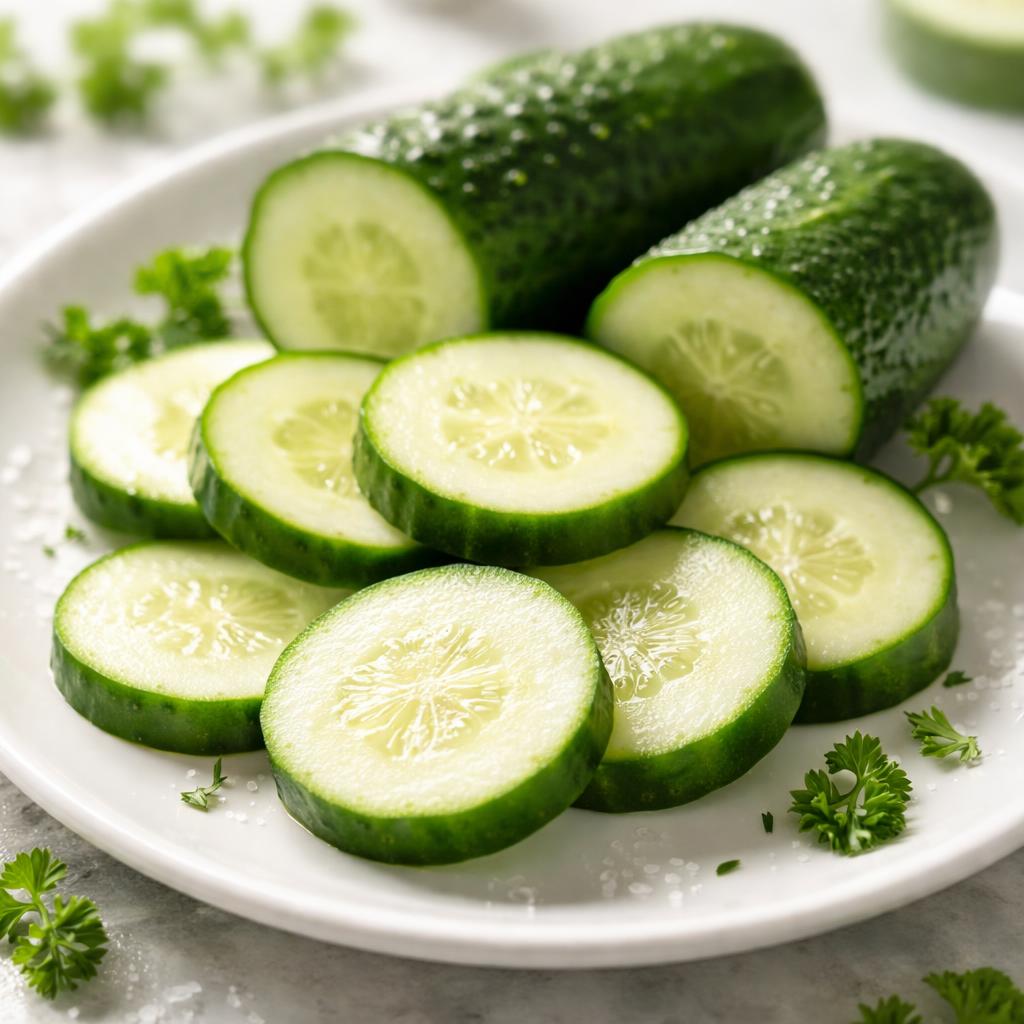
Cucumber
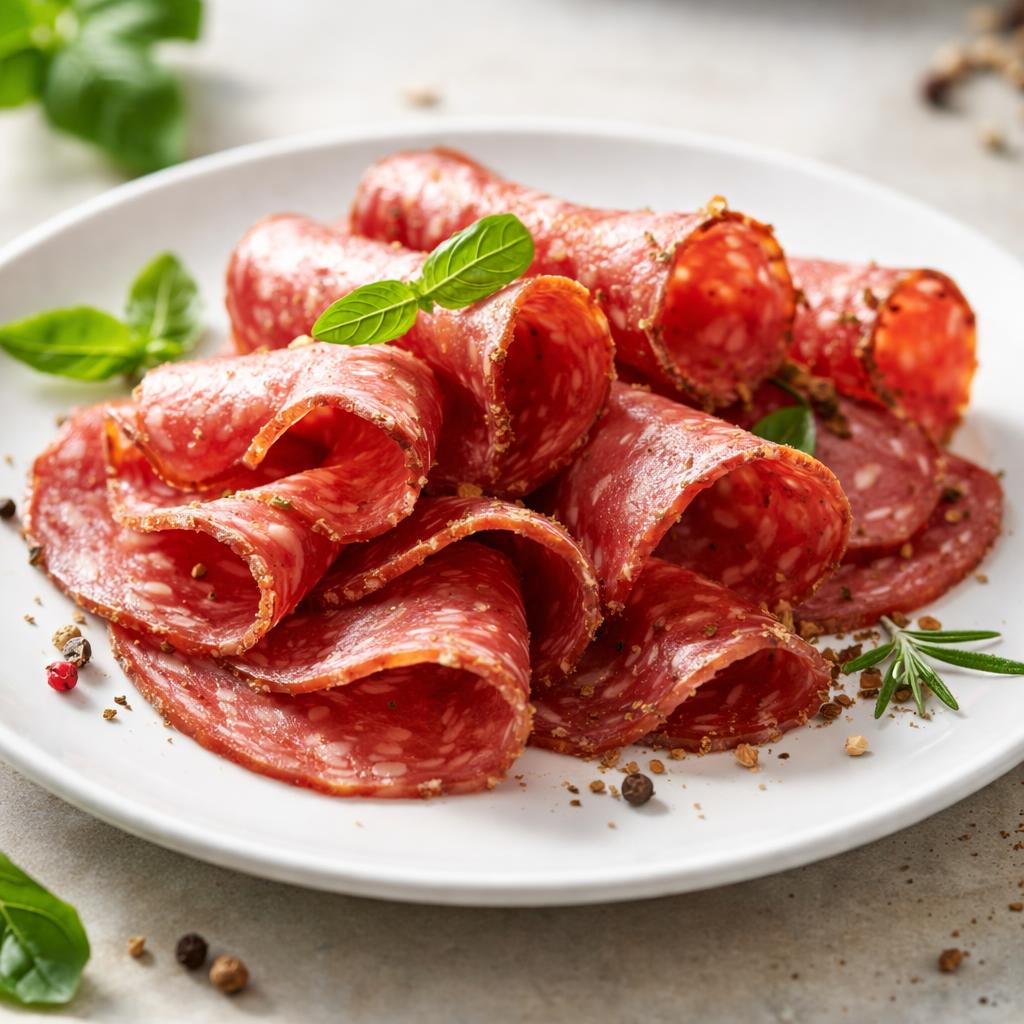
Salami
🎯 Quick Verdict
Cucumber and salami are vastly different nutritionally. Cucumber is low in calories, carbs, and fats, and rich in water content, making it ideal for hydration and weight control. Salami, on the other hand, is protein-rich but high in sodium and fat, making it suitable for higher-protein diets but less ideal for calorie-conscious individuals. Use cucumber for a light snack and salami for protein-heavy meals or occasional indulgence.

Smart Nutrition Tracking with SnapCalorie

📊 Nutritional Comparison
Macronutrients
| Nutrient | Food 1 | Food 2 | Winner |
|---|---|---|---|
| Calories | 15 | 300 | ✓ |
| Protein | 0.6g | 17g | ✓ |
| Carbs | 3.6g | 1g | ✓ |
| Fat | 0.1g | 26g | ✓ |
| Fiber | 0.5g | 0g | ✓ |
Vitamins & Minerals
| Nutrient | Food 1 | Food 2 | Winner |
|---|---|---|---|
| Vitamin D | 0mcg | 0mcg | − |
| Calcium | 15mg | 20mg | ✓ |
| Iron | 0.3mg | 1.5mg | ✓ |
| Vitamin C | 2.8mg | 0mg | ✓ |
🏆 Category Winners
Protein
Salami contains 17g of protein per serving vs cucumber's 0.6g.
Fiber
Cucumber provides 0.5g of fiber while salami has none.
Calories
Cucumber has only 15 calories per serving, significantly lower than salami's 300 calories.
🥗 Diet Compatibility
Keto
Food 1: Compatible
Food 2: Compatible
Both are low-carb options for keto diets.
Vegan
Food 1: Compatible
Food 2: Not Compatible
Cucumber is vegan; salami is an animal product.
Gluten Free
Food 1: Compatible
Food 2: Compatible
Neither contains gluten.
Paleo
Food 1: Compatible
Food 2: Compatible
Both are suitable; salami should be minimally processed.
Low Carb
Food 1: Compatible
Food 2: Compatible
Cucumber has 3.6g carbs and salami has 1g carbs per serving.
💪 Health Benefits Comparison
Food 1 Benefits
- Hydrating due to high water content
- Low in calories, ideal for weight loss
- Contains antioxidants for overall health
- Supports digestion with a moderate amount of fiber
Food 2 Benefits
- Rich in protein for muscle repair and maintenance
- Contains iron for improved oxygen circulation in the body
- Provides healthy fats necessary for energy
- Low carbohydrate content suitable for low-carb diets
✅ The Bottom Line
Choose cucumber for hydration, digestion, and weight loss-friendly meals; opt for salami when seeking protein and energy boosts. Each has unique nutritional strengths depending on dietary goals.
Choose Food 1 for: Low-calorie diets, vegan diets, hydration, snacking
Choose Food 2 for: High-protein diets, keto, post-workout meals, occasional indulgence


