Cucumber VS Rocket
A detailed nutritional comparison
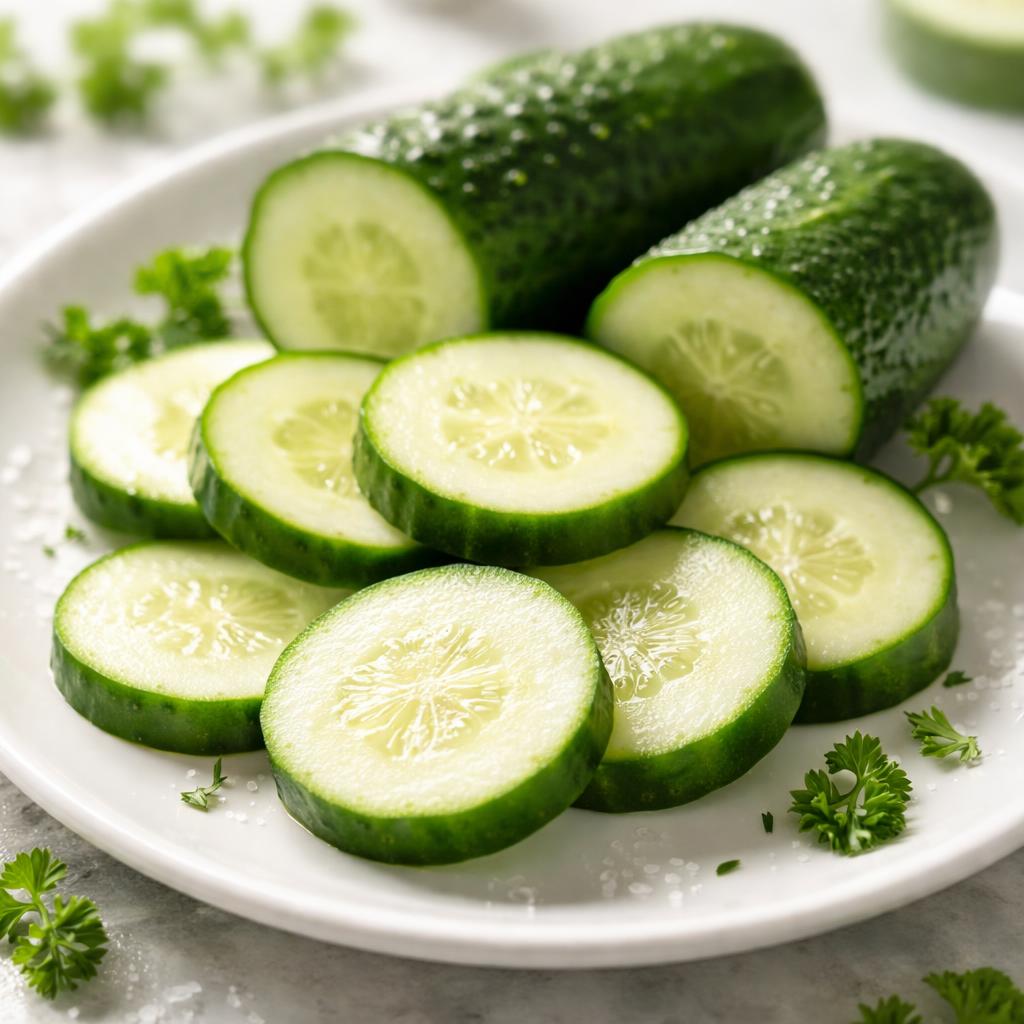
Cucumber
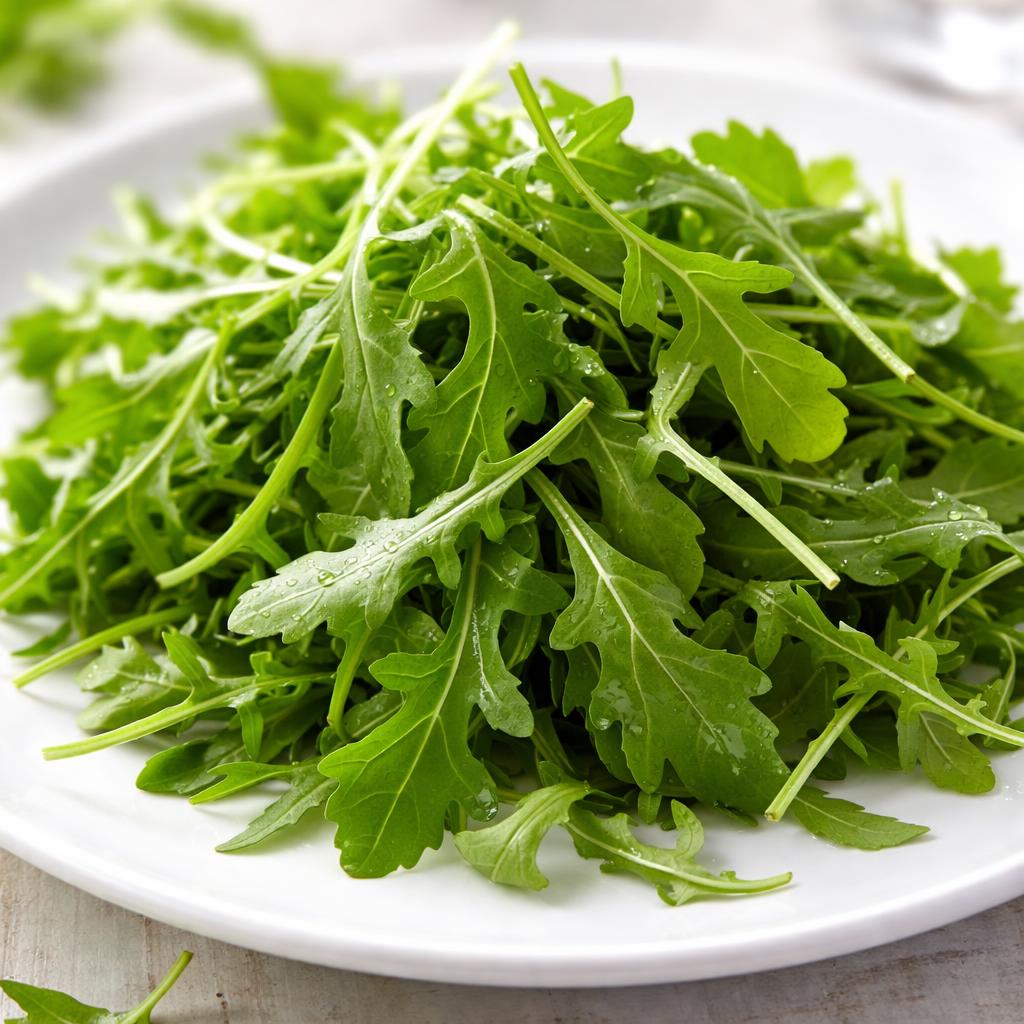
Rocket
🎯 Quick Verdict
Rocket is nutritionally denser than cucumber, offering higher levels of protein, fiber, and vitamins. Cucumber, however, is excellent for hydration due to its high water content and extremely low-calorie profile. Rocket is better suited for nutrient-packed meals while cucumber works well as a refreshing, hydrating snack or salad base.

Smart Nutrition Tracking with SnapCalorie

📊 Nutritional Comparison
Macronutrients
| Nutrient | Food 1 | Food 2 | Winner |
|---|---|---|---|
| Calories | 15 | 25 | ✓ |
| Protein | 0.7g | 2.6g | ✓ |
| Carbs | 3.6g | 3.7g | ✓ |
| Fat | 0.1g | 0.6g | ✓ |
| Fiber | 0.5g | 1.6g | ✓ |
Vitamins & Minerals
| Nutrient | Food 1 | Food 2 | Winner |
|---|---|---|---|
| Vitamin C | 2.8mg | 15mg | ✓ |
| Vitamin K | 16.4mcg | 108.6mcg | ✓ |
| Calcium | 16mg | 160mg | ✓ |
| Iron | 0.3mg | 1.5mg | ✓ |
🏆 Category Winners
Protein
Rocket contains nearly 4x more protein per serving than cucumber.
Fiber
Rocket provides over 3x more fiber than cucumber, benefiting digestion.
Calories
Cucumber has slightly fewer calories, making it lighter in terms of energy density.
Vitamins
Rocket is packed with Vitamin K, C, calcium, and iron, surpassing cucumber in micronutrients.
🥗 Diet Compatibility
Keto
Food 1: Compatible
Food 2: Compatible
Both foods are low in carbs and suit keto diets.
Vegan
Food 1: Compatible
Food 2: Compatible
Both are plant-based and vegan-friendly.
Gluten Free
Food 1: Compatible
Food 2: Compatible
Neither contains gluten.
Paleo
Food 1: Compatible
Food 2: Compatible
Both are suitable for Paleo diets as whole, unprocessed foods.
Low-Carb
Food 1: Compatible
Food 2: Compatible
Both are very low in carbohydrates per serving.
💪 Health Benefits Comparison
Food 1 Benefits
- Extremely hydrating due to high water content
- Low in calories while offering mild nutrition
- May aid in digestion and skin hydration
Food 2 Benefits
- Rich in vitamins like C and K for immune and bone health
- Contains fiber for digestive support
- Good source of calcium and iron for mineral needs
✅ The Bottom Line
If you're looking for hydration and a low-calorie snack, cucumber is the better choice. For nutrient density, particularly higher protein, fiber, and essential vitamins, opt for rocket. Both foods are versatile and complement different dietary needs.
Choose Food 1 for: Hydration, light snacking, low-calorie meals
Choose Food 2 for: Salads, nutrient-packed meals, digestion support


