Cucumber VS Margarita
A detailed nutritional comparison
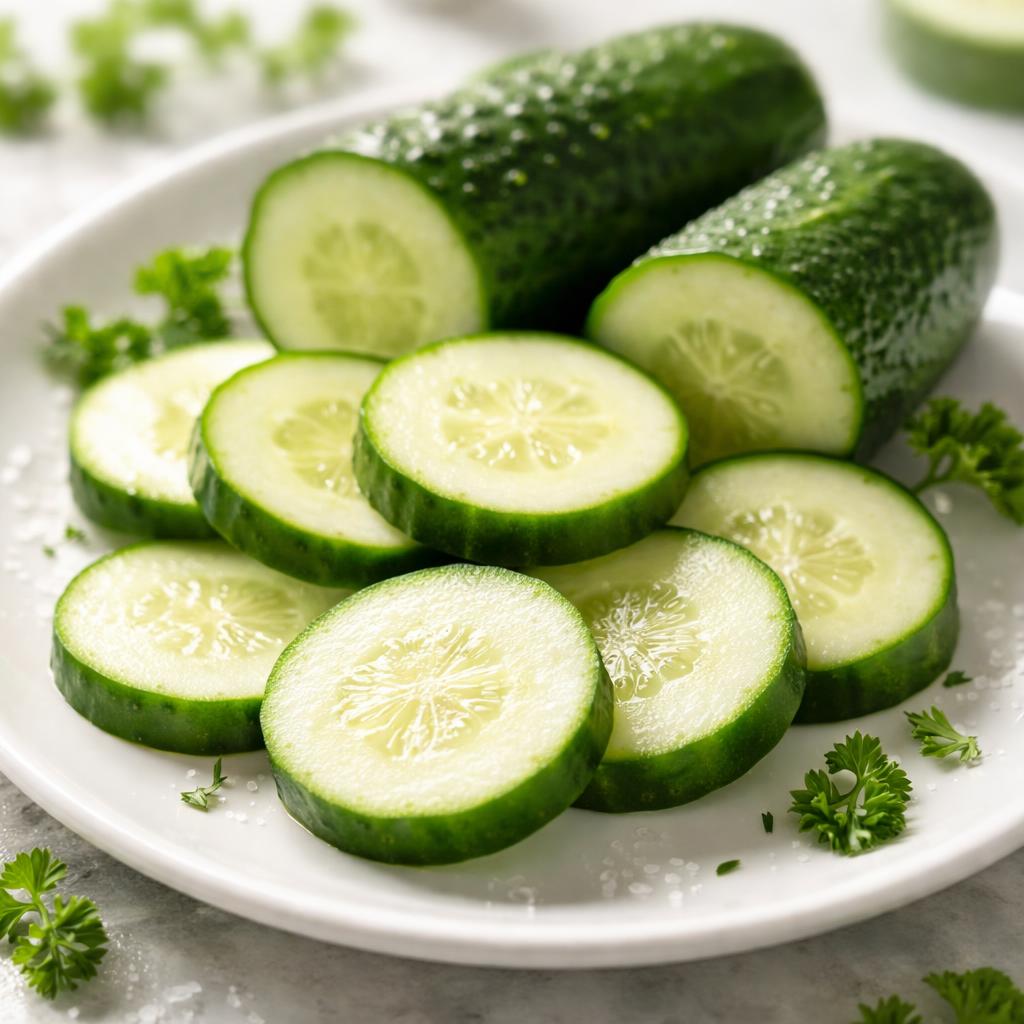
Cucumber
Margarita
🎯 Quick Verdict
Cucumber is a low-calorie, nutrient-rich vegetable perfect for hydration and digestion, while a margarita is an indulgent, calorie-dense alcoholic beverage typically enjoyed socially. Cucumber is much healthier due to its high fiber and vitamin content, whereas margaritas offer no significant nutritional benefit and are high in sugar and alcohol content.

Smart Nutrition Tracking with SnapCalorie

📊 Nutritional Comparison
Macronutrients
| Nutrient | Food 1 | Food 2 | Winner |
|---|---|---|---|
| Calories | 15 | 200 | ✓ |
| Protein | 0.6g | 0.6g | − |
| Carbs | 3.6g | 25g | ✓ |
| Fat | 0.1g | 0g | − |
| Fiber | 0.5g | 0g | ✓ |
Vitamins & Minerals
| Nutrient | Food 1 | Food 2 | Winner |
|---|---|---|---|
| Vitamin C | 3.3mg | 0mg | ✓ |
| Vitamin K | 16.4mcg | 0mcg | ✓ |
| Potassium | 193mg | 0mg | ✓ |
🏆 Category Winners
Protein
Both foods contain the same negligible amount of protein at 0.6g per serving.
Fiber
Cucumber offers 0.5g of fiber per serving while margarita contains none.
Calories
Cucumber has only 15 calories compared to the 200 in margarita.
🥗 Diet Compatibility
Keto
Food 1: Compatible
Food 2: Not Compatible
Cucumber is low-carb, whereas margaritas are high in sugar.
Vegan
Food 1: Compatible
Food 2: Compatible
Both are plant-based (though margarita contains alcohol).
Gluten Free
Food 1: Compatible
Food 2: Compatible
Both foods are gluten-free.
Paleo
Food 1: Compatible
Food 2: Not Compatible
Cucumber is natural and fits the paleo diet, but margaritas' processed sugar does not.
Low Carb
Food 1: Compatible
Food 2: Not Compatible
Cucumber is very low in carbs; margaritas are high in carbs from sugar.
💪 Health Benefits Comparison
Food 1 Benefits
- Excellent for hydration due to high water content
- Provides fiber for digestive health
- Contains antioxidant-rich vitamins such as vitamin C
Food 2 Benefits
- Offers social enjoyment and relaxation
- May provide some micronutrients if citrus juice is added (e.g., lime juice contains vitamin C)
- No significant direct health benefits, but moderate alcohol consumption can benefit heart health
✅ The Bottom Line
Cucumber is clearly the healthier choice with low calories, fiber, and good hydration properties. Margaritas are high in sugar and calories, making them a treat rather than a nutritional option. Choose cucumber for health-conscious snacking, and margarita for occasional indulgence in social settings.
Choose Food 1 for: Weight management, hydration, digestive health
Choose Food 2 for: Social settings, moderate alcohol indulgence, relaxation


