Cucumber VS Bell Pepper
A detailed nutritional comparison
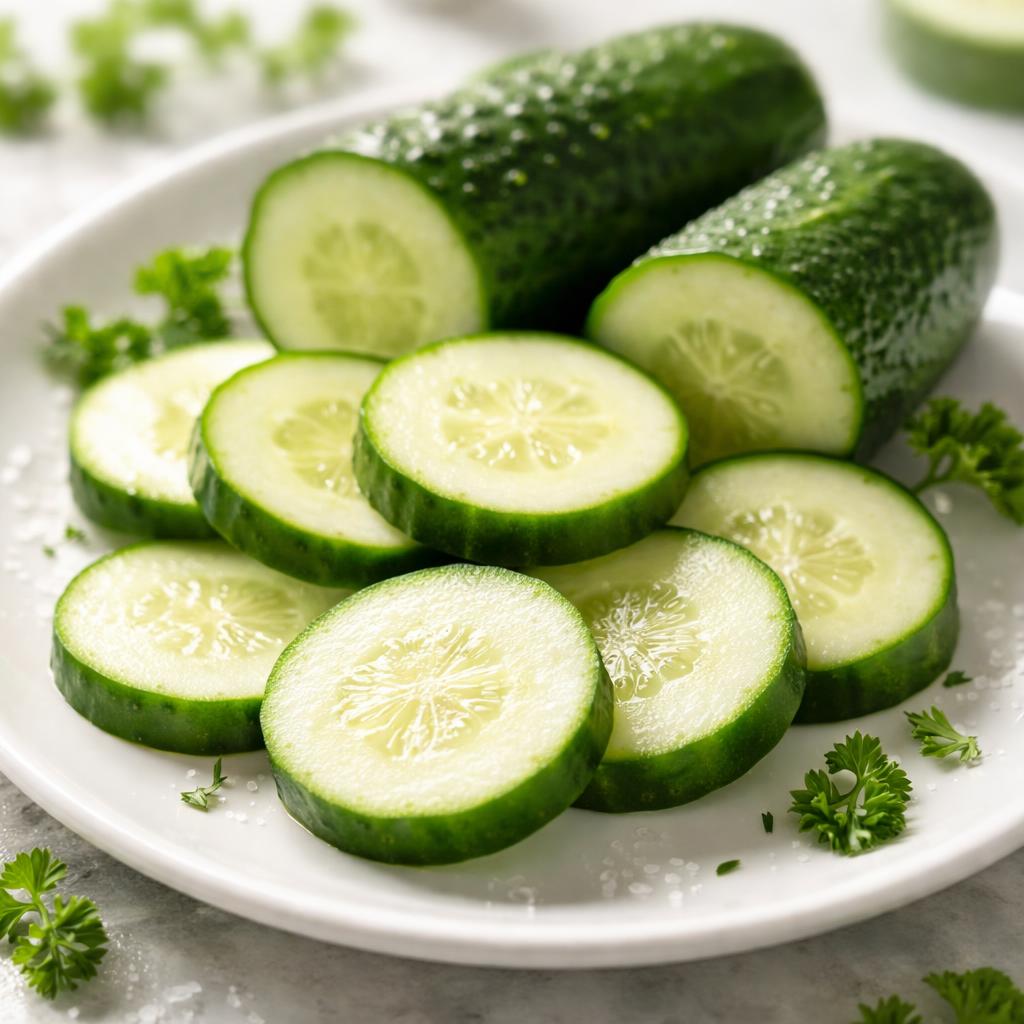
Cucumber
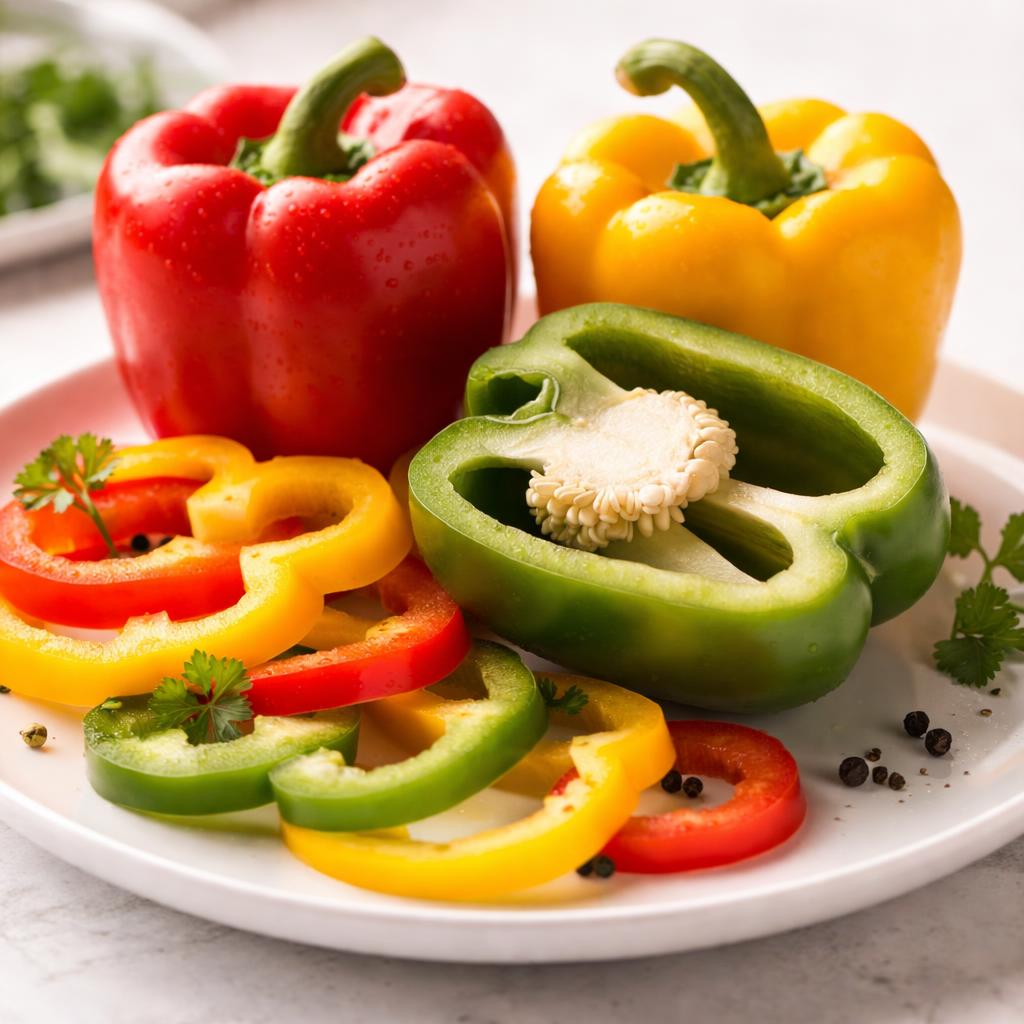
Bell Pepper
🎯 Quick Verdict
Cucumber and bell pepper are both low-calorie, nutrient-dense veggies, but bell pepper offers significantly more fiber, vitamins, and antioxidants. Cucumber shines in hydration and calorie control, while bell pepper is better for boosting vitamin C and fiber intake, making them ideal for different dietary goals.

Smart Nutrition Tracking with SnapCalorie

📊 Nutritional Comparison
Macronutrients
| Nutrient | Food 1 | Food 2 | Winner |
|---|---|---|---|
| Calories | 15 kcal (per 100g) | 31 kcal (per 100g) | ✓ |
| Protein | 0.7g | 1g | − |
| Carbs | 3.6g | 6g | ✓ |
| Fat | 0.1g | 0.3g | ✓ |
| Fiber | 0.5g | 2.1g | ✓ |
Vitamins & Minerals
| Nutrient | Food 1 | Food 2 | Winner |
|---|---|---|---|
| Vitamin C | 3.2mg | 80mg | ✓ |
| Vitamin A | 5 IU | 3131 IU | ✓ |
| Potassium | 150mg | 211mg | ✓ |
🏆 Category Winners
Protein
Both foods are low in protein with minimal difference (0.7-1g).
Fiber
Bell pepper provides more than 4 times the fiber of cucumber per 100g.
Calories
Cucumber has 50% fewer calories compared to bell pepper, making it better for calorie control.
Vitamins
Bell pepper excels in Vitamin C and Vitamin A, offering much higher nutritional density.
🥗 Diet Compatibility
Keto
Food 1: Compatible
Food 2: Compatible
Both are low-carb with less than 7g of carbs per 100g.
Vegan
Food 1: Compatible
Food 2: Compatible
Both are plant-based and vegan-friendly.
Gluten Free
Food 1: Compatible
Food 2: Compatible
Neither contains gluten.
Paleo
Food 1: Compatible
Food 2: Compatible
Both are suitable for paleo diets as whole, unprocessed veggies.
Low-Carb
Food 1: Highly Compatible
Food 2: Moderately Compatible
Cucumber is particularly low-carb with only 3.6g per 100g, while bell pepper is moderately low-carb at 6g.
💪 Health Benefits Comparison
Food 1 Benefits
- Low-calorie and hydrating with high water content (~95%)
- Supports digestion with mild fiber
- Good source of antioxidants
- Promotes skin health with silica and hydration properties
Food 2 Benefits
- Rich in Vitamin C, boosting immune health and collagen production
- High in Vitamin A for eye health
- Contains fiber to improve digestion and satiety
- Provides antioxidants such as beta-carotene for cell protection
✅ The Bottom Line
Choose cucumber for hydration, calorie control, and light snacking, especially for weight management or low-carb diets. Bell pepper is the better pick for vitamin intake, fiber boosts, and overall nutrient density, making it ideal for immune support and heart health.
Choose Food 1 for: Hydration, weight management, low-calorie diets
Choose Food 2 for: Immune support, high-fiber diets, antioxidant benefits


