Cucumber VS Bean Salad
A detailed nutritional comparison
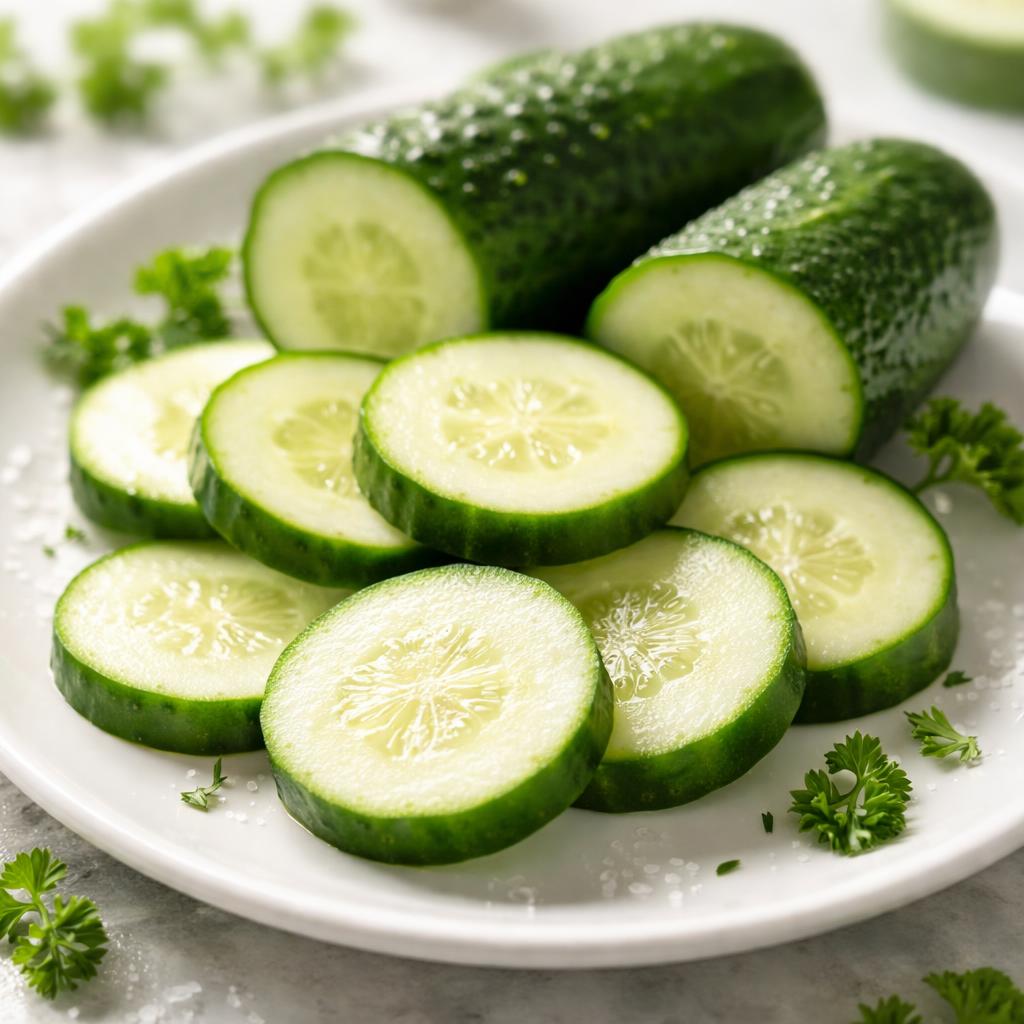
Cucumber
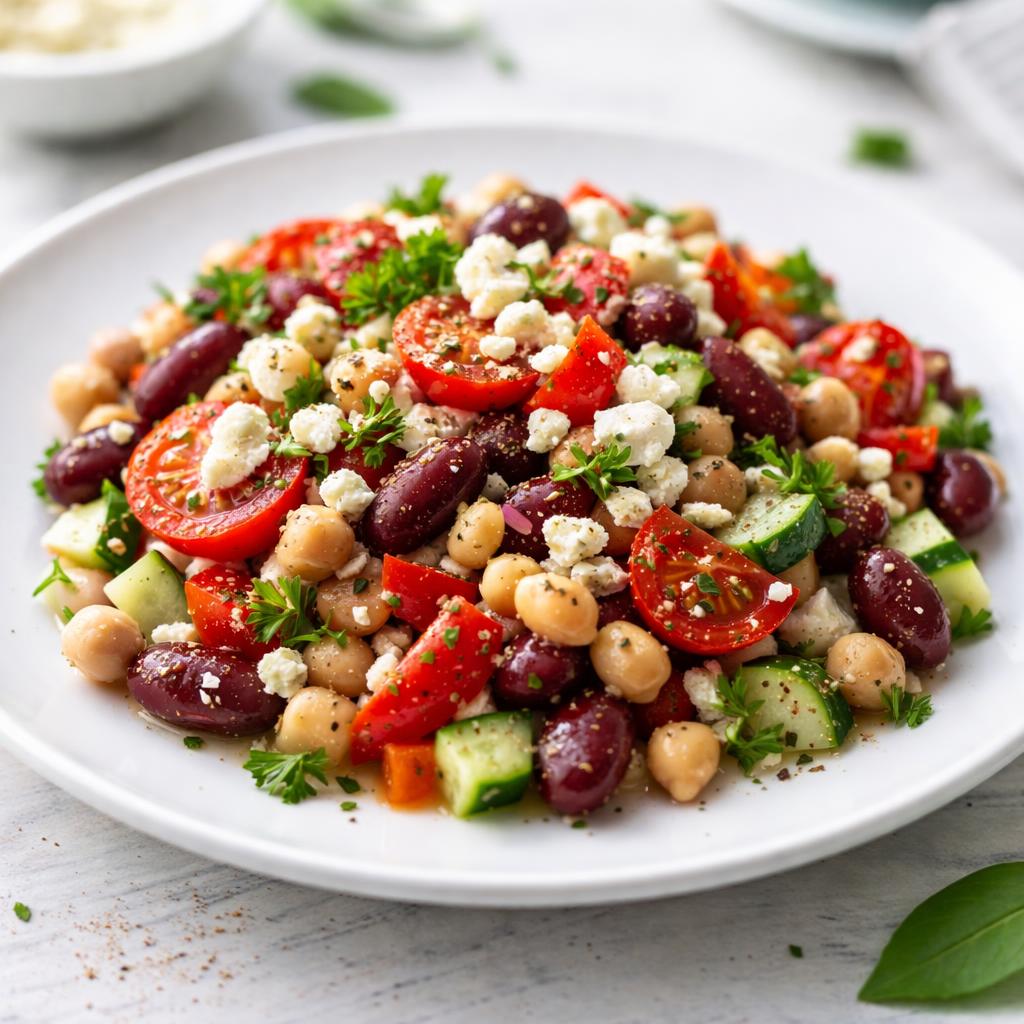
Bean Salad
🎯 Quick Verdict
Cucumber is a low-calorie, hydrating food perfect for weight loss and snacking, containing minimal protein and fiber. Bean salad is higher in calories but offers significant amounts of protein and fiber, making it a better choice for sustained energy and nutrient density. Both are versatile options depending on dietary needs.

Smart Nutrition Tracking with SnapCalorie

📊 Nutritional Comparison
Macronutrients
| Nutrient | Food 1 | Food 2 | Winner |
|---|---|---|---|
| Calories | 16 (per 100g) | 113 (per 100g) | ✓ |
| Protein | 0.6g (per 100g) | 5.4g (per 100g) | ✓ |
| Carbs | 3.8g (per 100g) | 17g (per 100g) | ✓ |
| Fat | 0.1g (per 100g) | 3.5g (per 100g) | ✓ |
| Fiber | 0.5g (per 100g) | 4.2g (per 100g) | ✓ |
Vitamins & Minerals
| Nutrient | Food 1 | Food 2 | Winner |
|---|---|---|---|
| Vitamin C | 2.8mg | 2mg | ✓ |
| Vitamin A | 105 IU | 15 IU | ✓ |
| Calcium | 16mg | 24mg | ✓ |
| Iron | 0.3mg | 1.2mg | ✓ |
🏆 Category Winners
Protein
Bean salad provides nearly 9x more protein per serving.
Fiber
Bean salad offers 8x more fiber per serving.
Calories
Cucumber is extremely low-calorie compared to bean salad.
Vitamins
Cucumber is richer in vitamin C and vitamin A, supporting immune health.
🥗 Diet Compatibility
Keto
Food 1: Compatible
Food 2: Not Compatible
Cucumber is very low in carbs, while bean salad has higher carb content from legumes.
Vegan
Food 1: Compatible
Food 2: Compatible
Both foods are plant-based and suitable for vegan diets.
Gluten Free
Food 1: Compatible
Food 2: Compatible
Neither food contains gluten.
Paleo
Food 1: Compatible
Food 2: Not Compatible
Cucumber is paleo-friendly, while legumes in bean salad typically aren't included in paleo diets.
Low-Carb
Food 1: Compatible
Food 2: Not Compatible
Cucumber is low-carb and works well for restrictive carbohydrate diets.
💪 Health Benefits Comparison
Food 1 Benefits
- Extremely hydrating with over 95% water content
- Low in calories, ideal for weight loss
- Provides vitamin C for immune support
Food 2 Benefits
- Rich in plant-based protein for muscle repair
- Contains high fiber for digestion and satiety
- Provides iron and calcium for bone health
✅ The Bottom Line
Cucumber is best for low-calorie diets and hydration, ideal for keto, paleo, and low-carb plans. Bean salad is nutrient-dense, better for sustained energy, muscle repair, and overall health. Your choice depends on your dietary goals and needs.
Choose Food 1 for: Hydration, low-calorie snacking, weight loss
Choose Food 2 for: Sustained energy, high-protein diets, high-fiber meals


