Couscous VS Whole Wheat Bread
A detailed nutritional comparison
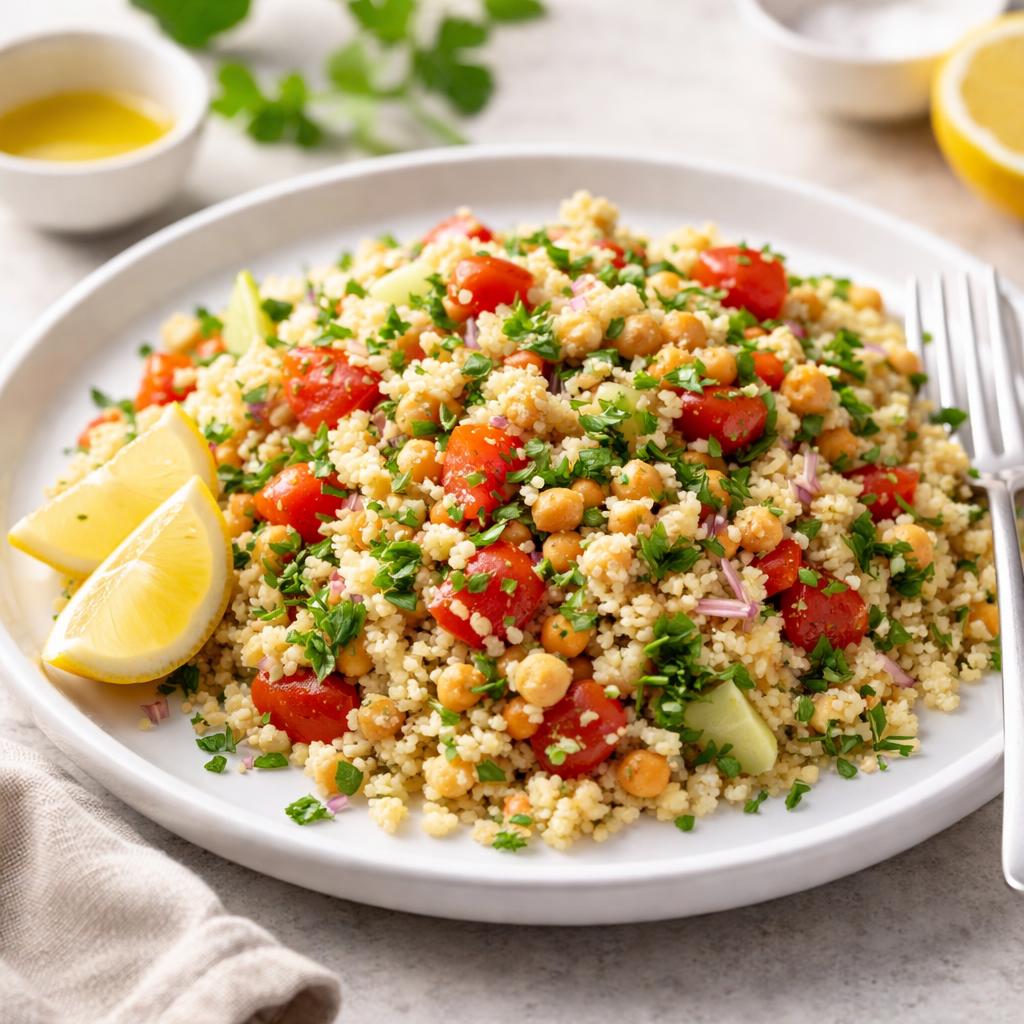
Couscous
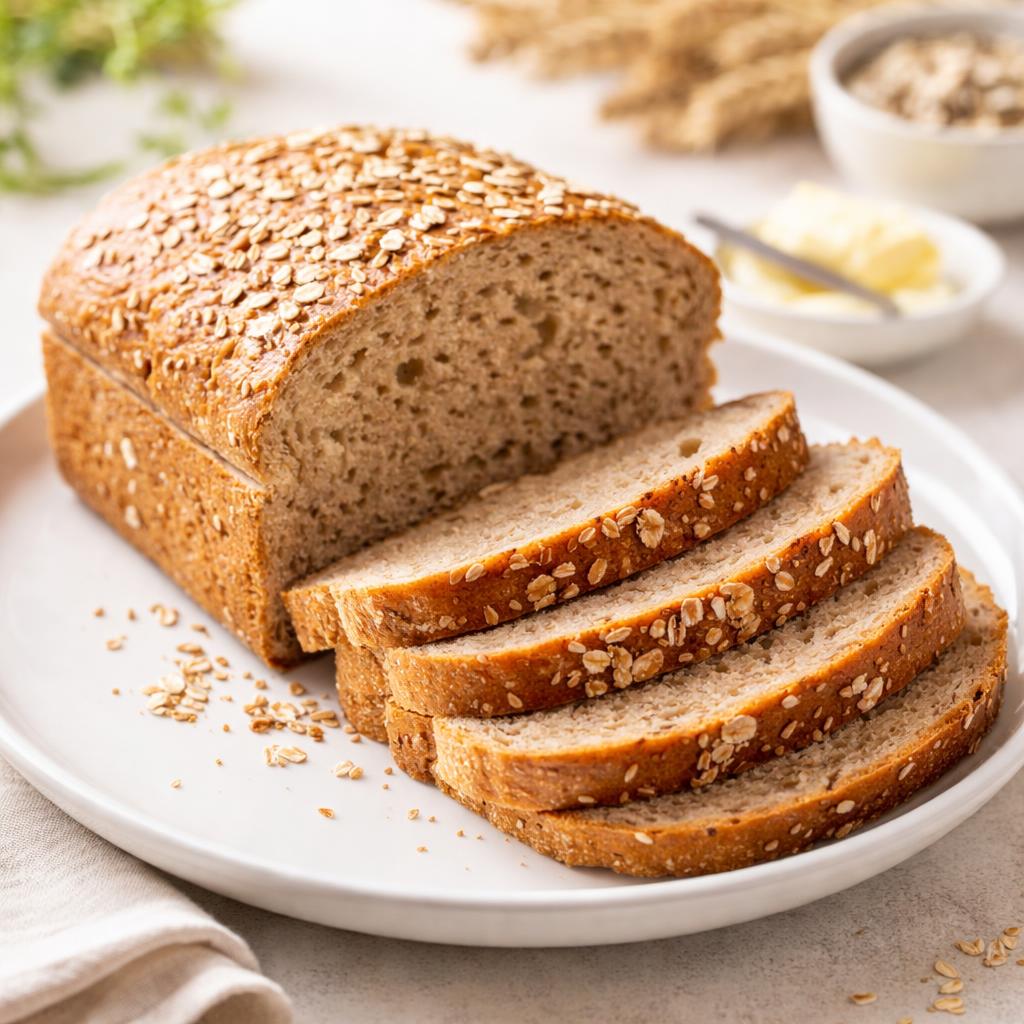
Whole Wheat Bread
🎯 Quick Verdict
Whole wheat bread and couscous differ considerably in nutrition. Whole wheat bread is higher in fiber, protein, and provides more vitamins such as iron and calcium, making it ideal for sustained energy and heart health. Couscous is lower in calories and carbohydrates, making it a better choice for weight loss or lighter meals.

Smart Nutrition Tracking with SnapCalorie

📊 Nutritional Comparison
Macronutrients
| Nutrient | Food 1 | Food 2 | Winner |
|---|---|---|---|
| Calories | 112 per 100g (cooked) | 246 per 100g | ✓ |
| Protein | 3.8g per 100g | 12g per 100g | ✓ |
| Carbs | 23.2g per 100g | 41g per 100g | ✓ |
| Fat | 0.2g per 100g | 1.5g per 100g | ✓ |
| Fiber | 1.4g per 100g | 7g per 100g | ✓ |
Vitamins & Minerals
| Nutrient | Food 1 | Food 2 | Winner |
|---|---|---|---|
| Vitamin B6 | 0.1mg per 100g | 0.3mg per 100g | ✓ |
| Folate | 15mcg per 100g | 43mcg per 100g | ✓ |
| Iron | 0.38mg per 100g | 3.6mg per 100g | ✓ |
| Calcium | 8mg per 100g | 164mg per 100g | ✓ |
🏆 Category Winners
Protein
Whole wheat bread contains over triple the protein per serving compared to couscous.
Fiber
Whole wheat bread has 7g fiber per serving, significantly more than couscous.
Calories
Couscous is lower in calories, with less than half the calories of whole wheat bread per serving.
Vitamins
Whole wheat bread contains higher amounts of iron, calcium, vitamin B6, and folate per serving.
🥗 Diet Compatibility
Keto
Food 1: Not Compatible
Food 2: Not Compatible
Both foods are high in carbohydrates and not suitable for a ketogenic diet.
Vegan
Food 1: Compatible
Food 2: Compatible
Both couscous and whole wheat bread are plant-based foods.
Gluten Free
Food 1: Not Compatible
Food 2: Not Compatible
Both foods are derived from wheat and contain gluten.
Paleo
Food 1: Not Compatible
Food 2: Not Compatible
Neither food aligns with paleo principles due to their grain origin.
Low-Carb
Food 1: Partially Compatible
Food 2: Not Compatible
Couscous has fewer carbohydrates compared to whole wheat bread, making it more suitable for a moderate low-carb diet.
💪 Health Benefits Comparison
Food 1 Benefits
- Low in calories, great for weight management
- Provides moderate carbohydrates for sustained energy
- Light and easy to digest, ideal for lighter meals
Food 2 Benefits
- High fiber content for improved digestion and heart health
- Rich in protein for muscle maintenance and repair
- Contains essential vitamins such as iron and calcium for bone health and energy
✅ The Bottom Line
Whole wheat bread is a more nutrient-dense choice overall, offering higher amounts of protein, fiber, and vitamins, making it suitable for sustained energy and heart health. Couscous is better for weight management and lighter meals, thanks to its low calorie and low-fat composition.
Choose Food 1 for: Weight loss, light meals, moderate carb diets
Choose Food 2 for: Heart health, nutrient-density, sustained energy


