Couscous VS Pasta Bake
A detailed nutritional comparison
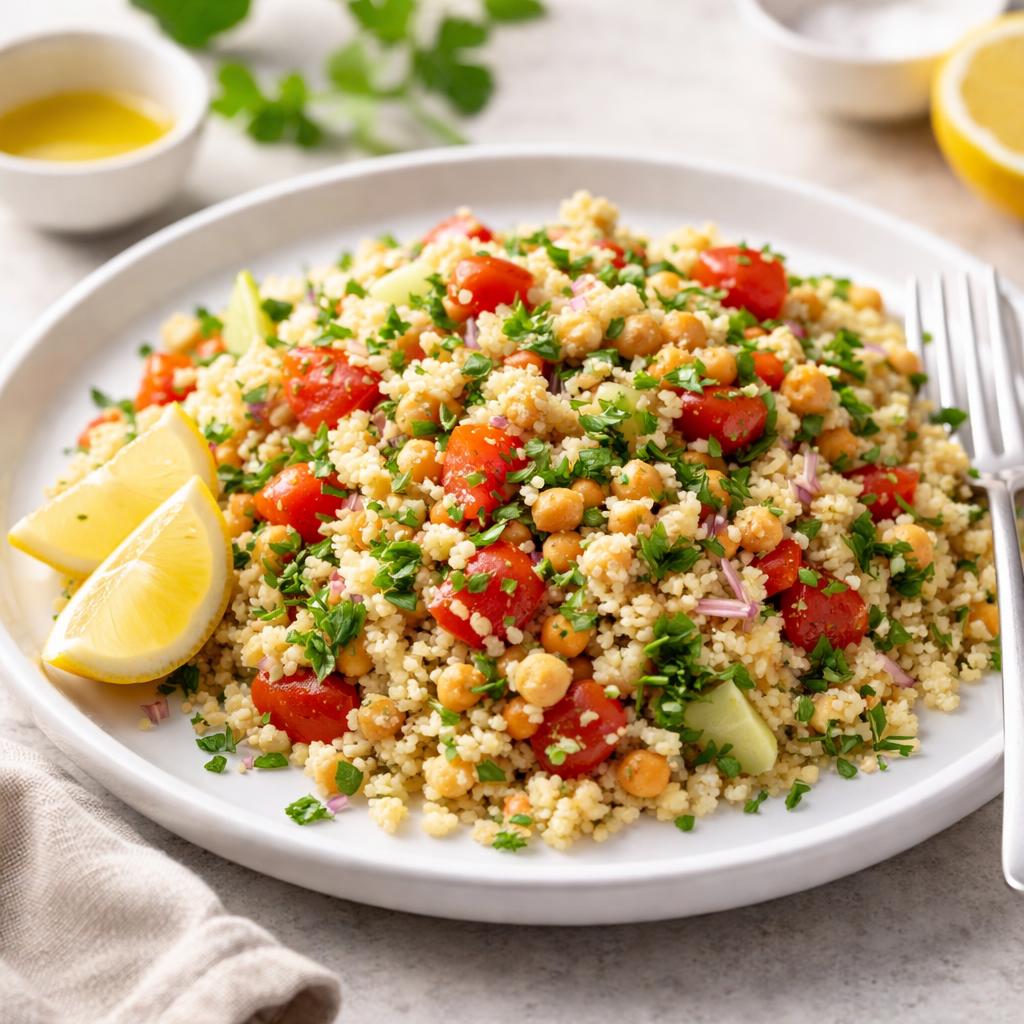
Couscous
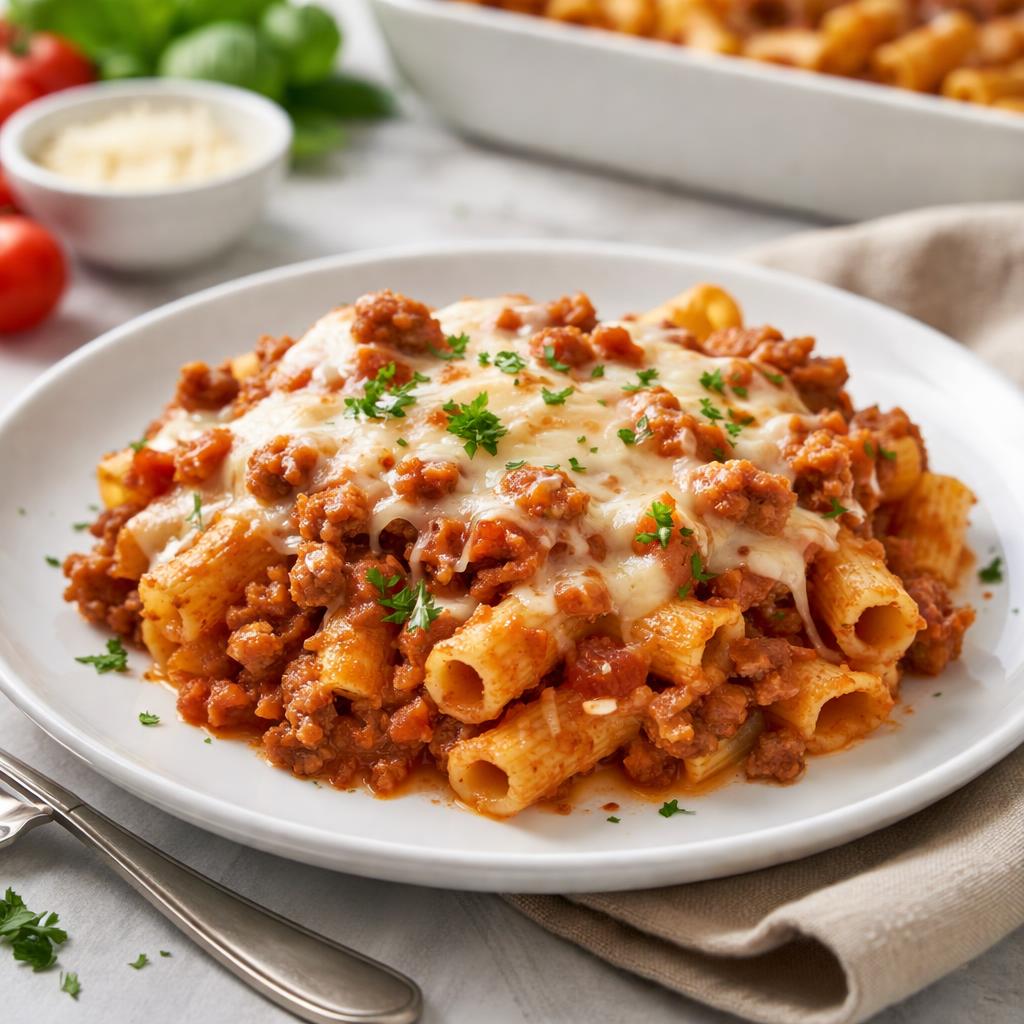
Pasta Bake
🎯 Quick Verdict
Couscous is lower in calories and carbs, making it a lighter option for weight management. Pasta bake, on the other hand, is higher in both protein and fiber, offering better satiety and nutritional density for hearty meals. Couscous fits well into low-calorie diets, while pasta bake excels for energy-demanding days or nutrient-rich comfort food options.

Smart Nutrition Tracking with SnapCalorie

📊 Nutritional Comparison
Macronutrients
| Nutrient | Food 1 | Food 2 | Winner |
|---|---|---|---|
| Calories | 112 per cup cooked | 300 per 1 cup serving | ✓ |
| Protein | 3.8g per cup cooked | 12g per 1 cup serving | ✓ |
| Carbs | 23.2g per cup cooked | 32g per 1 cup serving | ✓ |
| Fat | 0.2g per cup cooked | 10g per 1 cup serving | ✓ |
| Fiber | 1.4g per cup cooked | 3g per 1 cup serving | ✓ |
Vitamins & Minerals
| Nutrient | Food 1 | Food 2 | Winner |
|---|---|---|---|
| Vitamin D | 0mcg | 2mcg | ✓ |
| Calcium | 7mg | 150mg | ✓ |
| Iron | 0.6mg | 1.5mg | ✓ |
🏆 Category Winners
Protein
Pasta bake contains over three times more protein per serving compared to couscous.
Fiber
Pasta bake offers twice the fiber, which supports digestion and satiety.
Calories
Couscous is significantly lower in calories, with less than half the amount found in pasta bake.
Vitamins
Pasta bake is higher in Vitamin D, calcium, and iron, providing greater nutritional benefits overall.
🥗 Diet Compatibility
Keto
Food 1: Not Compatible
Food 2: Not Compatible
Both foods are high-carb and do not fit a keto diet.
Vegan
Food 1: Compatible
Food 2: Not Compatible
Couscous is plant-based, but pasta bake often contains cheese or meat making it unsuitable for vegans unless modified.
Gluten Free
Food 1: Not Compatible
Food 2: Not Compatible
Both contain gluten unless gluten-free alternatives are used.
Paleo
Food 1: Not Compatible
Food 2: Not Compatible
Neither food fits the paleo diet due to their grain and processed content.
Low-Carb
Food 1: Not Compatible
Food 2: Not Compatible
Both foods are carb-dense and not suitable for low-carb diets.
💪 Health Benefits Comparison
Food 1 Benefits
- Low calorie density for weight management
- Quick to prepare, ideal for busy schedules
- Light option for sensitive digestion due to low fat content
Food 2 Benefits
- High in protein to support muscle growth and repair
- Good source of fiber for digestive health
- Rich in calcium for strong bones
✅ The Bottom Line
Choose couscous for lower calorie meals, especially when looking for a quick, light side dish or base for salads. Pasta bake is best for protein-rich, hearty meals that provide satiety and nutritional density. Both have unique strengths but are suited to different dietary goals and meal types.
Choose Food 1 for: Weight management, light meals, quick cooking
Choose Food 2 for: Hearty, protein-rich meals, post-workout recovery, dense nutritional meals


