Couscous VS Fried Rice With Vegetables
A detailed nutritional comparison
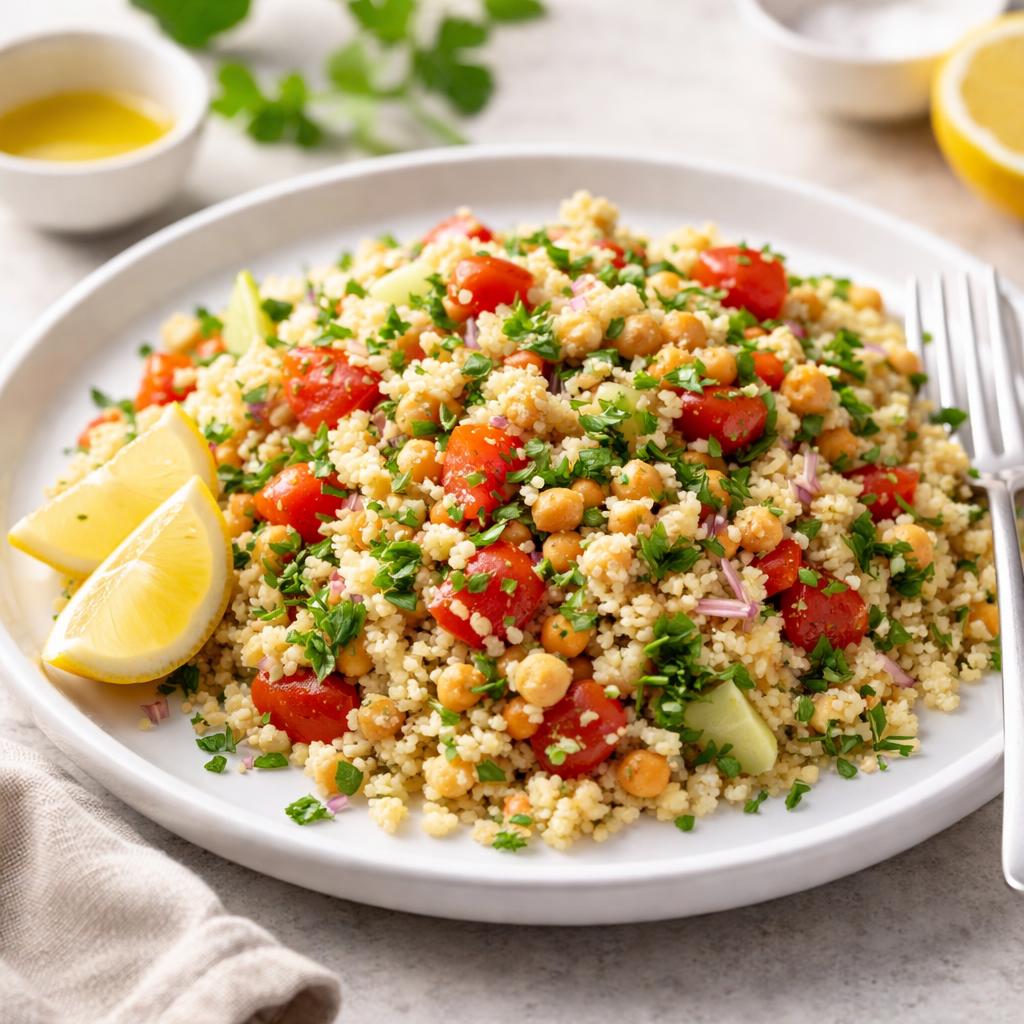
Couscous
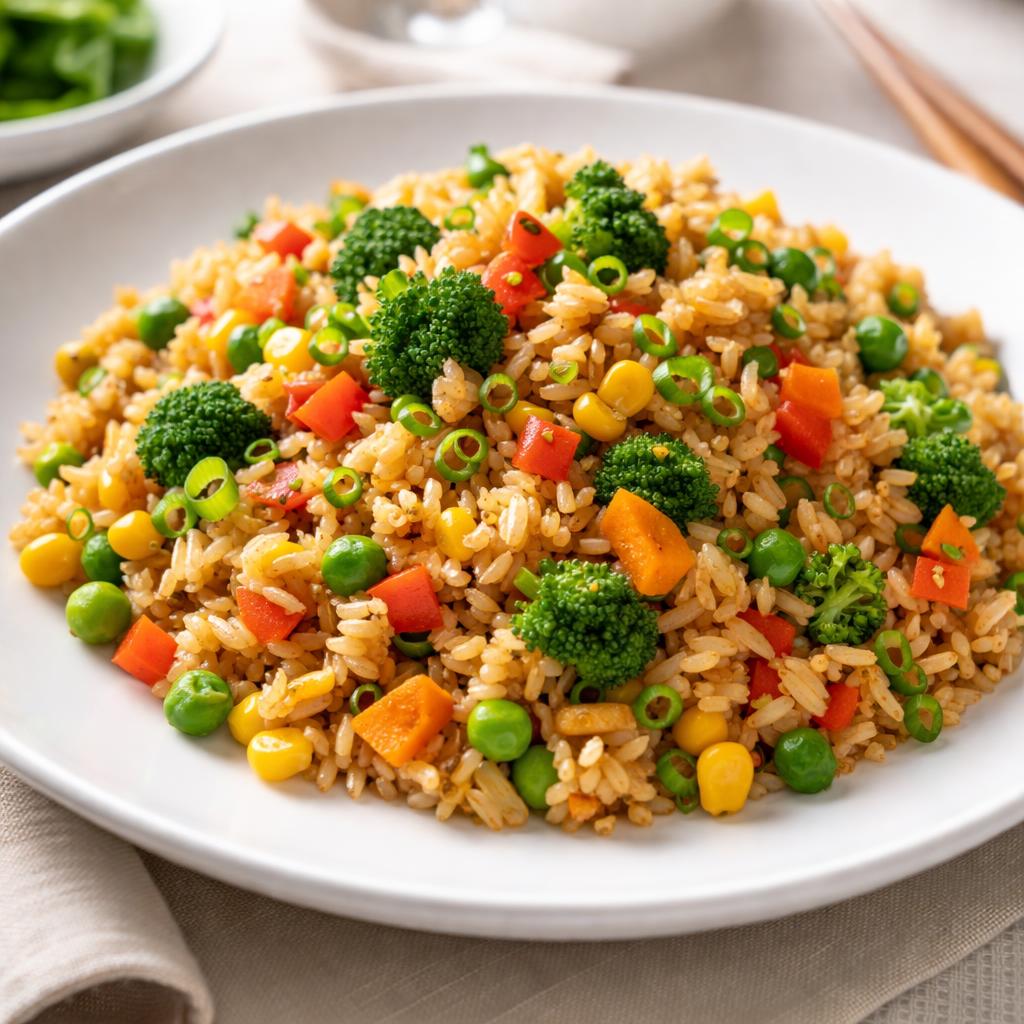
Fried Rice With Vegetables
🎯 Quick Verdict
Fried rice with vegetables offers more protein and fiber than couscous, making it a better option for muscle building and digestive health. However, couscous is lower in calories, making it an excellent choice for weight loss diets. Both are versatile and suitable for different dietary needs, but fried rice is generally more nutrient-dense due to added vegetables and healthy fats.

Smart Nutrition Tracking with SnapCalorie

📊 Nutritional Comparison
Macronutrients
| Nutrient | Food 1 | Food 2 | Winner |
|---|---|---|---|
| Calories | 112 kcal (per 100g) | 150 kcal (per 100g) | ✓ |
| Protein | 3.8g (per 100g) | 5g (per 100g) | ✓ |
| Carbs | 23g (per 100g) | 22g (per 100g) | ✓ |
| Fat | 0.2g (per 100g) | 6g (per 100g) | ✓ |
| Fiber | 1.4g (per 100g) | 2g (per 100g) | ✓ |
Vitamins & Minerals
| Nutrient | Food 1 | Food 2 | Winner |
|---|---|---|---|
| Vitamin A | 0mcg | 50mcg | ✓ |
| Vitamin C | 0mg | 4mg | ✓ |
| Iron | 0.4mg (per 100g) | 0.6mg (per 100g) | ✓ |
🏆 Category Winners
Protein
Fried rice with vegetables contains 31% more protein per serving compared to couscous.
Fiber
Fried rice offers higher dietary fiber content due to the inclusion of vegetables.
Calories
Couscous has approximately 25% fewer calories per serving compared to fried rice.
🥗 Diet Compatibility
Keto
Food 1: Not Compatible
Food 2: Not Compatible
Both are high in carbs and not suitable for ketogenic diets.
Vegan
Food 1: Compatible
Food 2: Compatible
Both are plant-based when made without animal ingredients.
Gluten Free
Food 1: Not Compatible
Food 2: Depends
Couscous is wheat-based and not gluten-free, while fried rice can be gluten-free if made with gluten-free soy sauce.
Paleo
Food 1: Not Compatible
Food 2: Not Compatible
Neither food aligns with paleo due to grains.
Low-Carb
Food 1: Not Compatible
Food 2: Not Compatible
Both have high carbohydrate content.
💪 Health Benefits Comparison
Food 1 Benefits
- Low in fat for heart health
- Low calorie option for weight loss
- Provides selenium for antioxidant support
Food 2 Benefits
- Higher protein for muscle repair
- Rich in fiber to support digestion
- Contains vitamins A and C for immune health
- Healthy fats from added oils for sustained energy
✅ The Bottom Line
Choose couscous for weight management or if you need a low-fat, quick-cooking grain option. Fried rice with vegetables is the better choice for nutrient density, including higher protein, fiber, and vitamins, making it ideal for balanced lunches or dinners.
Choose Food 1 for: Weight-conscious diets, low-fat meals, quick preparation
Choose Food 2 for: Balanced diets, muscle building, sustained energy, nutrient density


