Couscous VS Dry Pasta
A detailed nutritional comparison
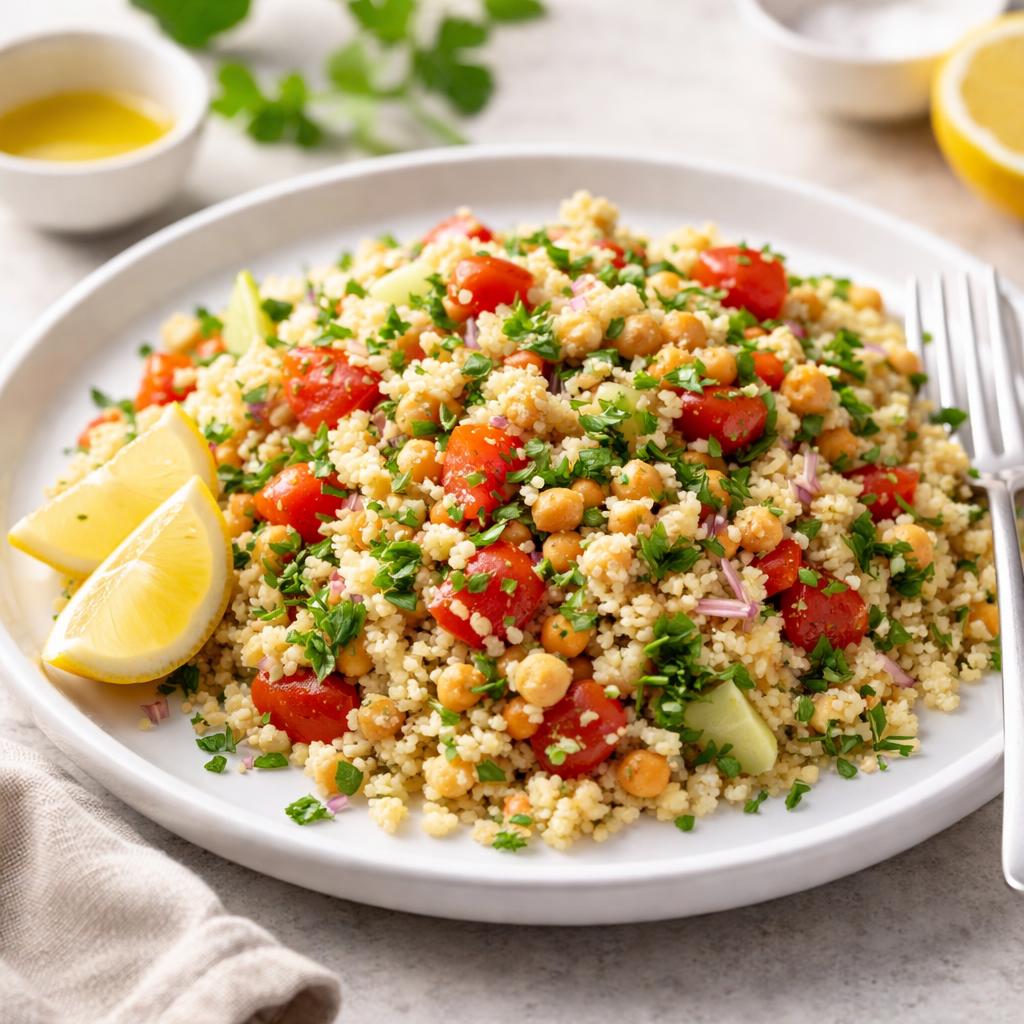
Couscous
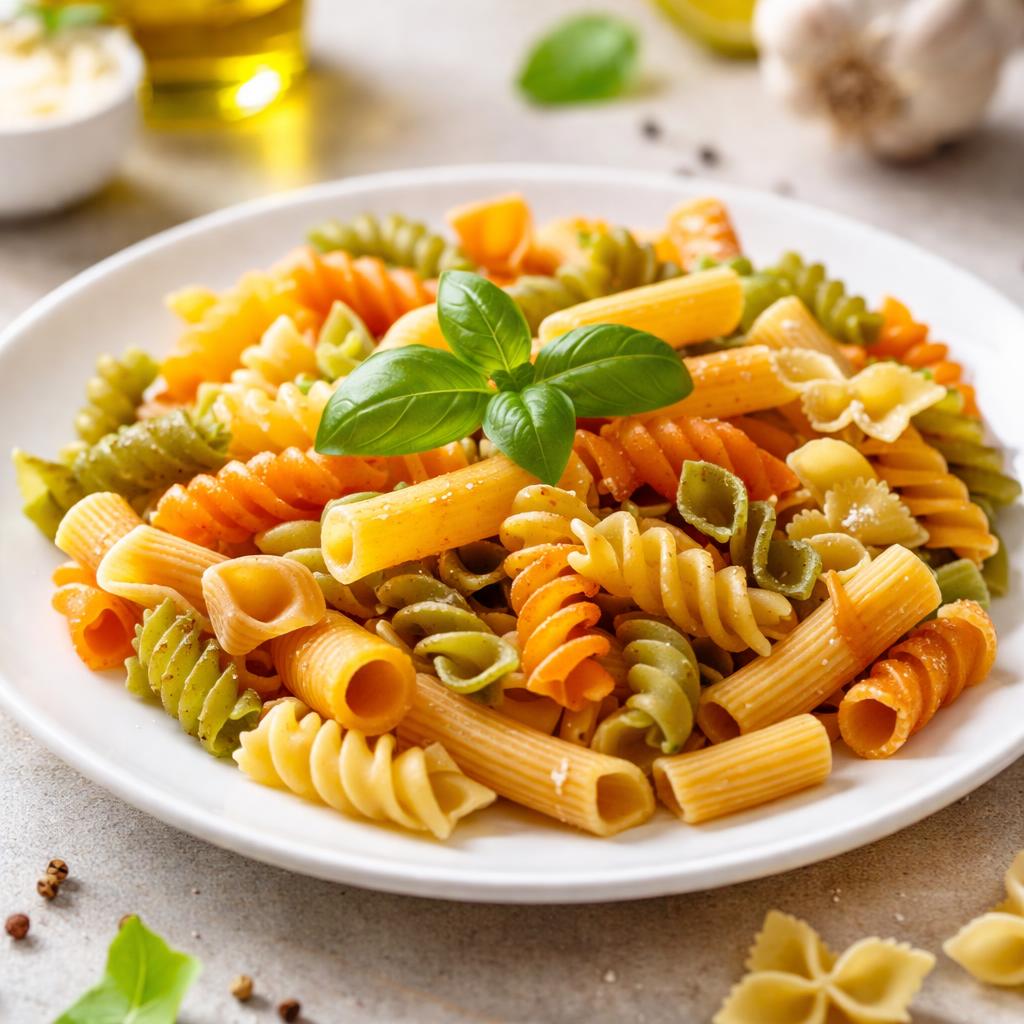
Dry Pasta
🎯 Quick Verdict
Couscous and dry pasta have similar nutritional profiles but differ subtly. Couscous is lower in calories and cooks faster, making it ideal for lighter meals. Dry pasta has slightly more protein and fiber, providing more sustained energy and satiety. Both are versatile options for plant-based diets and pair well with nutrient-rich sauces or stir-ins.

Smart Nutrition Tracking with SnapCalorie

📊 Nutritional Comparison
Macronutrients
| Nutrient | Food 1 | Food 2 | Winner |
|---|---|---|---|
| Calories | 176 (per 100g cooked) | 211 (per 100g cooked) | ✓ |
| Protein | 5.95g | 7.5g | ✓ |
| Carbs | 36g | 41g | ✓ |
| Fat | 0.3g | 1.3g | ✓ |
| Fiber | 2.2g | 2.5g | − |
Vitamins & Minerals
| Nutrient | Food 1 | Food 2 | Winner |
|---|---|---|---|
| Vitamin B1 (Thiamine) | 0.06mg | 0.24mg | ✓ |
| Vitamin B3 (Niacin) | 0.8mg | 1.6mg | ✓ |
| Iron | 0.38mg | 1.25mg | ✓ |
🏆 Category Winners
Protein
Dry pasta provides about 26% more protein per weight compared to couscous.
Fiber
Both couscous and pasta have similar amounts of fiber (~2-2.5g per 100g cooked).
Calories
Couscous has about 17% fewer calories per serving.
Vitamins
Dry pasta is richer in B-complex vitamins and iron.
🥗 Diet Compatibility
Keto
Food 1: Not Compatible
Food 2: Not Compatible
Both are high-carb and unsuitable for keto diets.
Vegan
Food 1: Compatible
Food 2: Compatible
Both foods are plant-based and vegan-friendly.
Gluten Free
Food 1: Not Compatible
Food 2: Not Compatible
Neither food is naturally gluten-free, as they are made from wheat substitutes.
Paleo
Food 1: Not Compatible
Food 2: Not Compatible
Grains like couscous and pasta are excluded from the paleo diet.
Low Carb
Food 1: Not Compatible
Food 2: Not Compatible
Both are high-carb options unsuitable for low-carb diets.
💪 Health Benefits Comparison
Food 1 Benefits
- Lower in calories for weight management
- Quick-cooking for practical meals
- Provides selenium for antioxidant protection
Food 2 Benefits
- Higher protein for muscle maintenance
- Rich in B-vitamins to support energy metabolism
- Provides iron for oxygen transport in the body
✅ The Bottom Line
Couscous is better for lighter, calorie-conscious meals while dry pasta is better for protein and sustained energy. Both are excellent choices for plant-based diets and pair well with nutrient-rich toppings and sauces.
Choose Food 1 for: Weight management, quick meal preparation, lighter dishes
Choose Food 2 for: Muscle building, sustained energy, nutrient-packed meals


