Couscous Salad VS Whole Wheat Bread
A detailed nutritional comparison
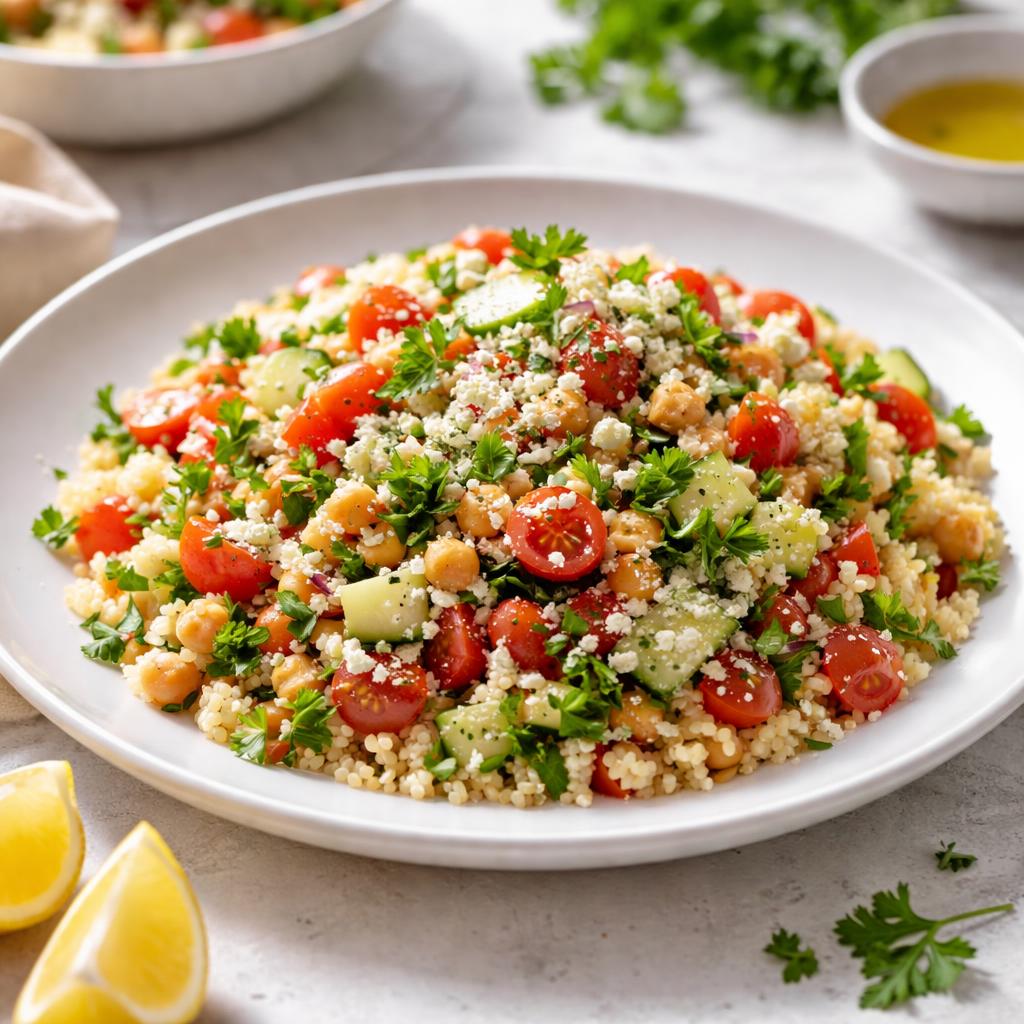
Couscous Salad
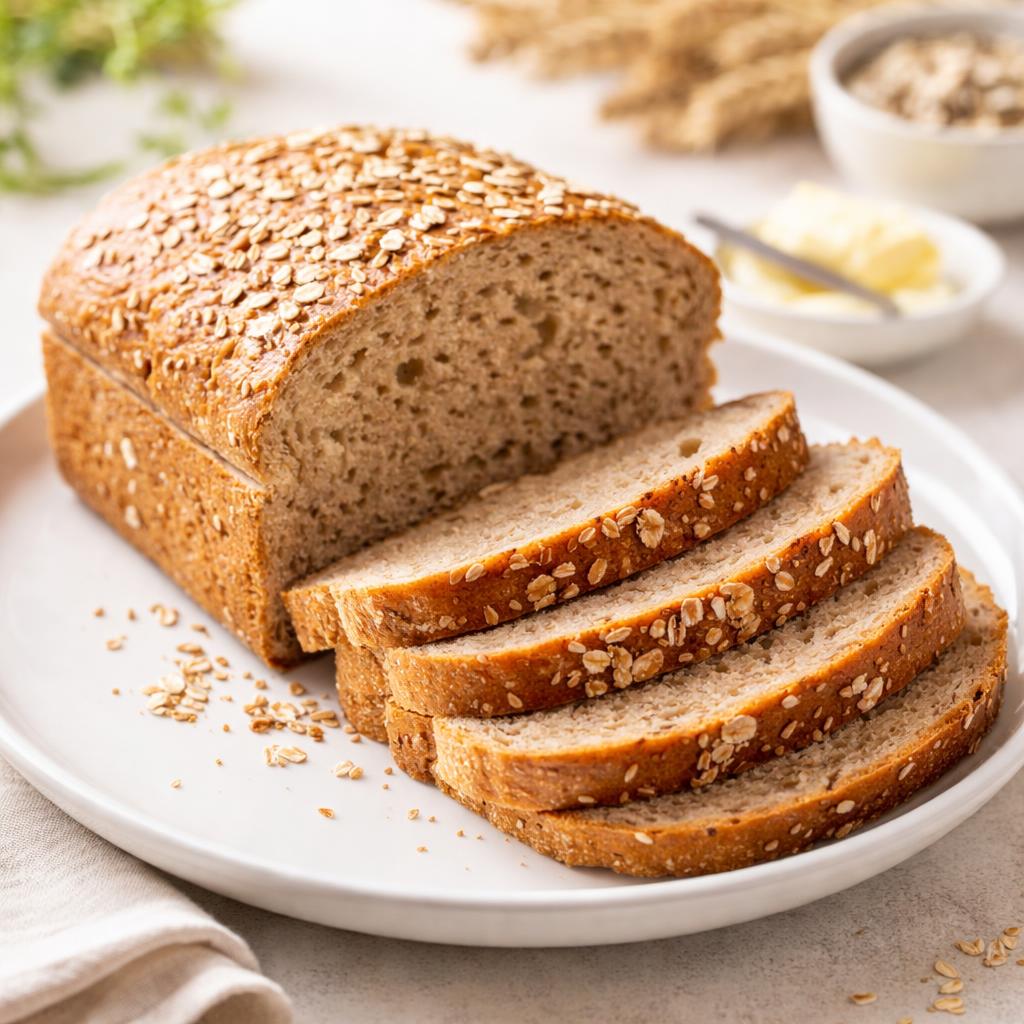
Whole Wheat Bread
🎯 Quick Verdict
Couscous salad and whole wheat bread offer different health benefits. Couscous salad is lower in calories and higher in protein, making it better for weight loss or muscle maintenance. Whole wheat bread, however, has more fiber and is ideal for sustained energy and digestive health. Both can complement a balanced diet and serve different purposes based on dietary needs.

Smart Nutrition Tracking with SnapCalorie

📊 Nutritional Comparison
Macronutrients
| Nutrient | Food 1 | Food 2 | Winner |
|---|---|---|---|
| Calories | 150 per cup | 200 per 2 slices | ✓ |
| Protein | 6g | 5g | ✓ |
| Carbs | 30g | 36g | ✓ |
| Fat | 3g | 2g | ✓ |
| Fiber | 2g | 4g | ✓ |
Vitamins & Minerals
| Nutrient | Food 1 | Food 2 | Winner |
|---|---|---|---|
| Vitamin D | 0mcg | 0mcg | − |
| Calcium | 10mg | 40mg | ✓ |
| Iron | 0.6mg | 1mg | ✓ |
🏆 Category Winners
Protein
Couscous salad contains slightly more protein per serving, supporting muscle growth and repair.
Fiber
Whole wheat bread provides 100% more fiber, aiding digestion and satiety.
Calories
Couscous salad is lower-calorie, ideal for weight management.
Vitamins
Whole wheat bread has higher calcium and iron content, promoting stronger bones and improved oxygen transport.
🥗 Diet Compatibility
Keto
Food 1: Not Compatible
Food 2: Not Compatible
Both are high in carbohydrates.
Vegan
Food 1: Compatible
Food 2: Compatible
Neither contains animal-derived ingredients.
Gluten Free
Food 1: Not Compatible
Food 2: Not Compatible
Both contain gluten from wheat.
Paleo
Food 1: Not Compatible
Food 2: Not Compatible
Both are grain-based and excluded from paleo diets.
Low-Carb
Food 1: Not Compatible
Food 2: Not Compatible
Each serving has over 25g of carbohydrates.
💪 Health Benefits Comparison
Food 1 Benefits
- Rich in protein for muscle support
- Lower in calories, aiding weight loss
- Provides moderate carbohydrates for energy
- Light fat content for a balanced macronutrient profile
Food 2 Benefits
- High in fiber for digestive health
- Good source of essential minerals like calcium and iron
- Provides complex carbohydrates for sustained energy
- Low fat content for heart health
✅ The Bottom Line
Choose couscous salad if you’re focused on weight loss, muscle maintenance, or need a lighter meal option. Whole wheat bread is better for digestion, sustained energy, or if you’re looking for an all-day snack rich in fiber and essential minerals. Both are versatile and can be included in various meals for balanced nutrition.
Choose Food 1 for: Weight loss, light lunches, post-workout meals
Choose Food 2 for: Sustained energy, fiber-rich breakfasts, nutrient-dense snacks


