Couscous Salad VS Rice And Beans
A detailed nutritional comparison
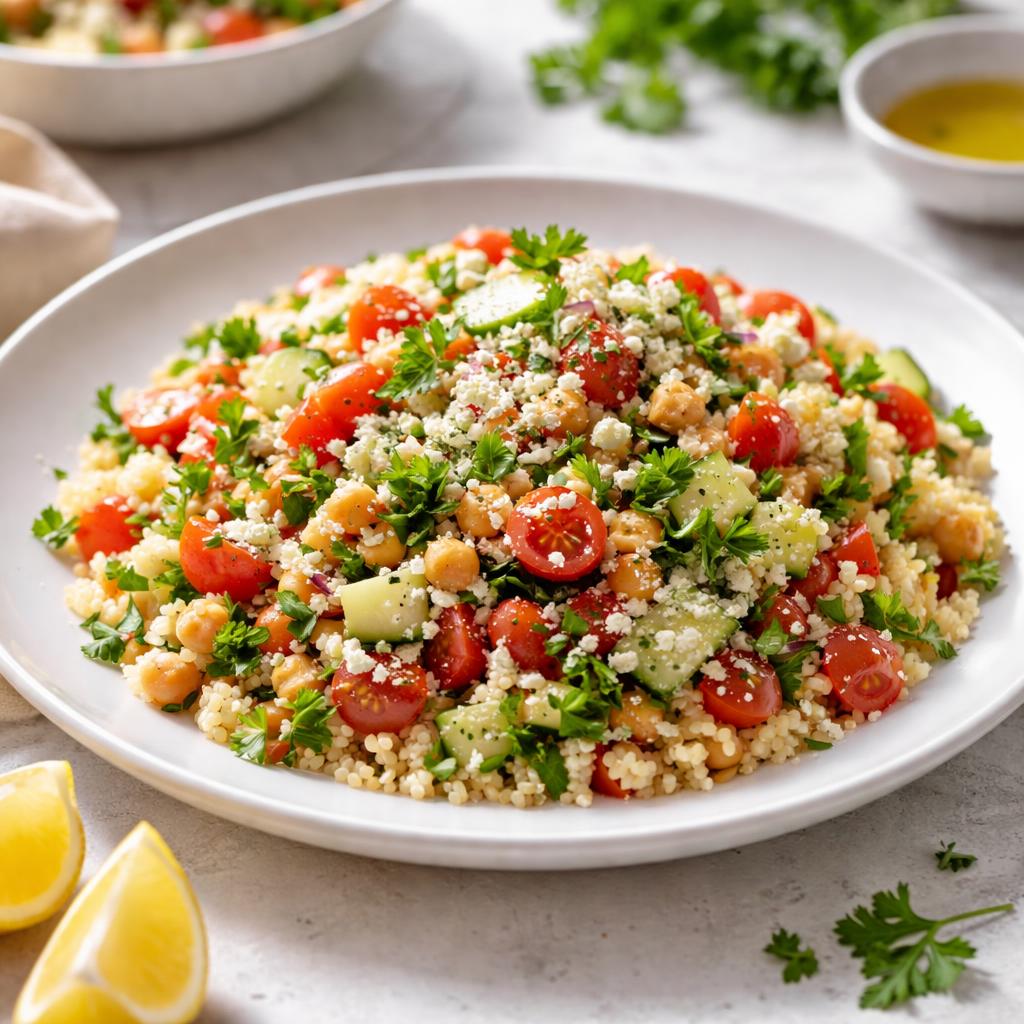
Couscous Salad
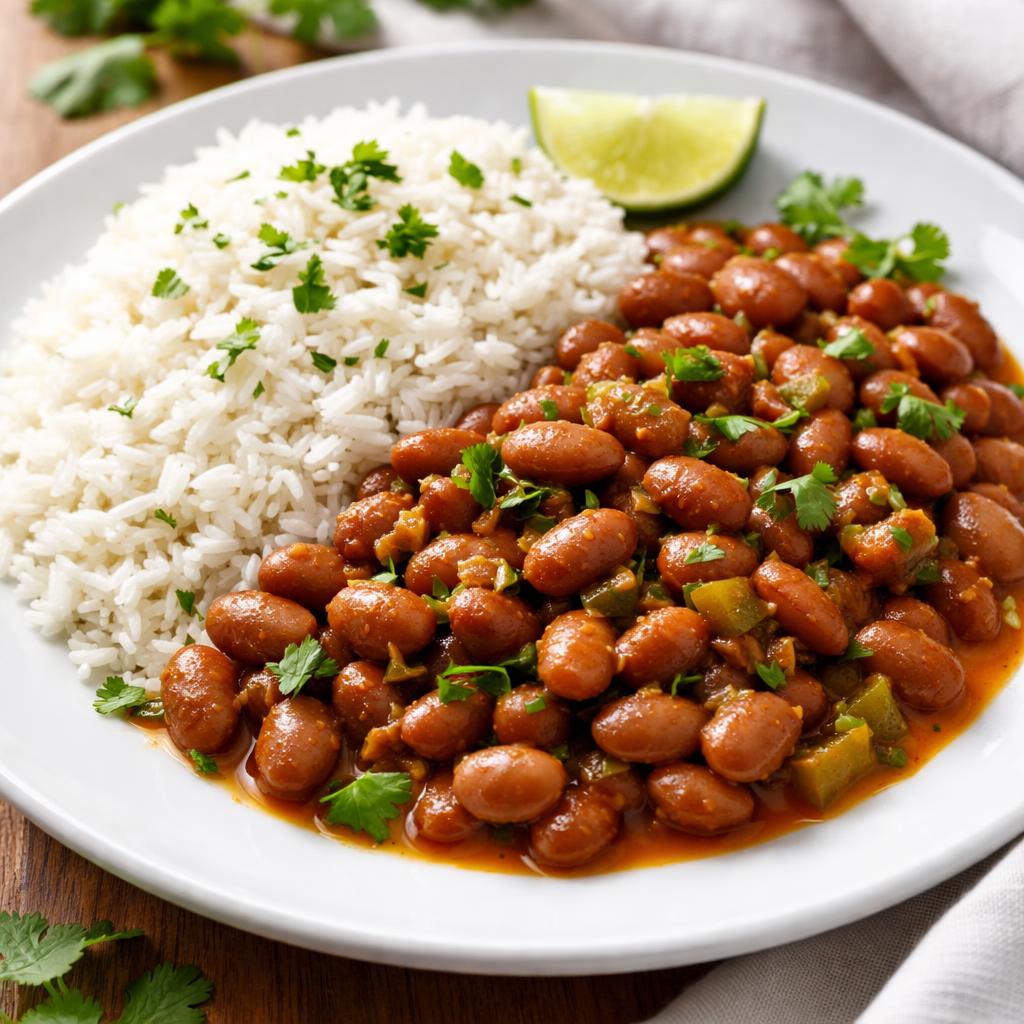
Rice And Beans
🎯 Quick Verdict
Rice and beans provide more protein and fiber than couscous salad, making them a better option for sustained energy and satiety. On the other hand, couscous salad is lower in calories, making it ideal for lighter meals or weight management. Both are nutrient-dense and versatile in their own ways depending on dietary goals.

Smart Nutrition Tracking with SnapCalorie

📊 Nutritional Comparison
Macronutrients
| Nutrient | Food 1 | Food 2 | Winner |
|---|---|---|---|
| Calories | 190 | 240 | ✓ |
| Protein | 5g | 8g | ✓ |
| Carbs | 36g | 42g | ✓ |
| Fat | 2g | 2g | − |
| Fiber | 2g | 6g | ✓ |
Vitamins & Minerals
| Nutrient | Food 1 | Food 2 | Winner |
|---|---|---|---|
| Vitamin C | 10mg | 4mg | ✓ |
| Iron | 1mg | 2.5mg | ✓ |
| Magnesium | 15mg | 45mg | ✓ |
🏆 Category Winners
Protein
Rice and beans have 60% more protein per serving than couscous salad.
Fiber
Rice and beans provide three times the amount of fiber per serving compared to couscous salad.
Calories
Couscous salad is lower in calories, making it suitable for lighter meals.
Vitamins
Both provide distinct vitamin and mineral profiles; couscous has more Vitamin C, while rice and beans offer higher iron and magnesium.
🥗 Diet Compatibility
Keto
Food 1: Not Compatible
Food 2: Not Compatible
Both are high-carb foods and unsuitable for keto diets.
Vegan
Food 1: Compatible
Food 2: Compatible
Neither contain animal products, making them vegan-friendly.
Gluten Free
Food 1: Not Compatible
Food 2: Compatible
Couscous contains gluten, whereas rice and beans are naturally gluten-free.
Paleo
Food 1: Not Compatible
Food 2: Not Compatible
Neither align with paleo principles as they are grain or legume-based.
Low Carb
Food 1: Not Compatible
Food 2: Not Compatible
Both have over 30g of carbohydrates per serving and are not low-carb options.
💪 Health Benefits Comparison
Food 1 Benefits
- Low in calories for weight management
- Provides Vitamin C for immune support
- Contains modest amounts of carbs for energy
Food 2 Benefits
- High protein content supports muscle maintenance
- Rich in fiber for digestive health
- Good source of magnesium for bone and nerve health
- Contains antioxidants for overall wellness
✅ The Bottom Line
Choose rice and beans for higher protein, fiber, and a more nutrient-dense meal, especially if satiety and energy are priorities. Opt for couscous salad when you need a lighter, lower-calorie option or a quicker digesting carb source.
Choose Food 1 for: Light meals, weight loss, quick energy
Choose Food 2 for: Sustained energy, nutrient density, muscle and digestive health


