Cornbread VS Whole Wheat Bread
A detailed nutritional comparison

Cornbread
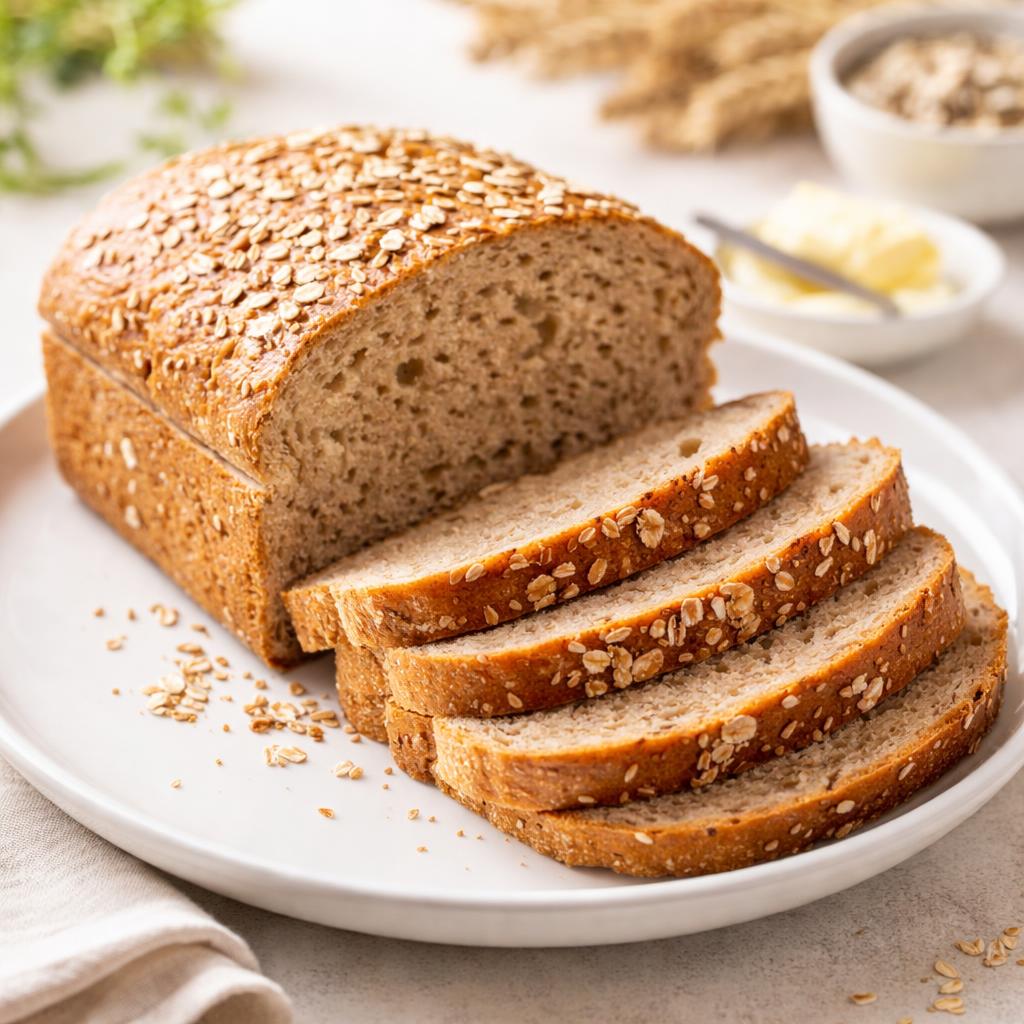
Whole Wheat Bread
🎯 Quick Verdict
Whole wheat bread is nutritionally superior to cornbread, offering more protein, fiber, and fewer calories per serving. Cornbread is higher in carbohydrates and fat, making it better suited for energy needs or occasional indulgence. Whole wheat bread is a more practical choice for balanced diets and general health goals.

Smart Nutrition Tracking with SnapCalorie

📊 Nutritional Comparison
Macronutrients
| Nutrient | Food 1 | Food 2 | Winner |
|---|---|---|---|
| Calories | 198 | 90 | ✓ |
| Protein | 4g | 4.5g | ✓ |
| Carbs | 27g | 18g | ✓ |
| Fat | 8g | 1g | ✓ |
| Fiber | 1.5g | 3.5g | ✓ |
Vitamins & Minerals
| Nutrient | Food 1 | Food 2 | Winner |
|---|---|---|---|
| Vitamin A | 120IU | 0IU | ✓ |
| Calcium | 16mg | 20mg | ✓ |
| Iron | 0.8mg | 0.9mg | ✓ |
🏆 Category Winners
Protein
Food2 has slightly more protein per serving.
Fiber
Food2 provides over double the fiber for digestive health.
Calories
Food2 has 55% fewer calories per serving.
🥗 Diet Compatibility
Keto
Food 1: Not Compatible
Food 2: Not Compatible
Both foods are high-carb options.
Vegan
Food 1: Depends on recipe
Food 2: Compatible
Cornbread may include dairy or eggs, whole wheat bread is typically plant-based.
Gluten Free
Food 1: Not Compatible
Food 2: Not Compatible
Both foods contain gluten.
Paleo
Food 1: Not Compatible
Food 2: Not Compatible
Both are grain-based and not allowed in paleo diets.
Low Carb
Food 1: Not Compatible
Food 2: Not Compatible
Both foods exceed typical low-carb thresholds.
💪 Health Benefits Comparison
Food 1 Benefits
- Provides quick energy from carbohydrates.
- Contains Vitamin A for eye health (depending on recipe).
- May include healthy fats from ingredients like butter or oil.
Food 2 Benefits
- High in fiber for digestive health.
- Better for managing blood sugar due to lower glycemic index.
- Rich in essential nutrients such as iron and calcium.
✅ The Bottom Line
Choose whole wheat bread for everyday use and consistent dietary benefits like higher fiber and lower calorie intake. Cornbread works well as a flavorful side dish or for quick energy bursts but isn’t optimal for regular consumption.
Choose Food 1 for: Traditional meals, carb-loading, occasional indulgence
Choose Food 2 for: Balanced daily nutrition, weight management, digestive health


