Cooked Rice VS Whole Grain Pasta
A detailed nutritional comparison
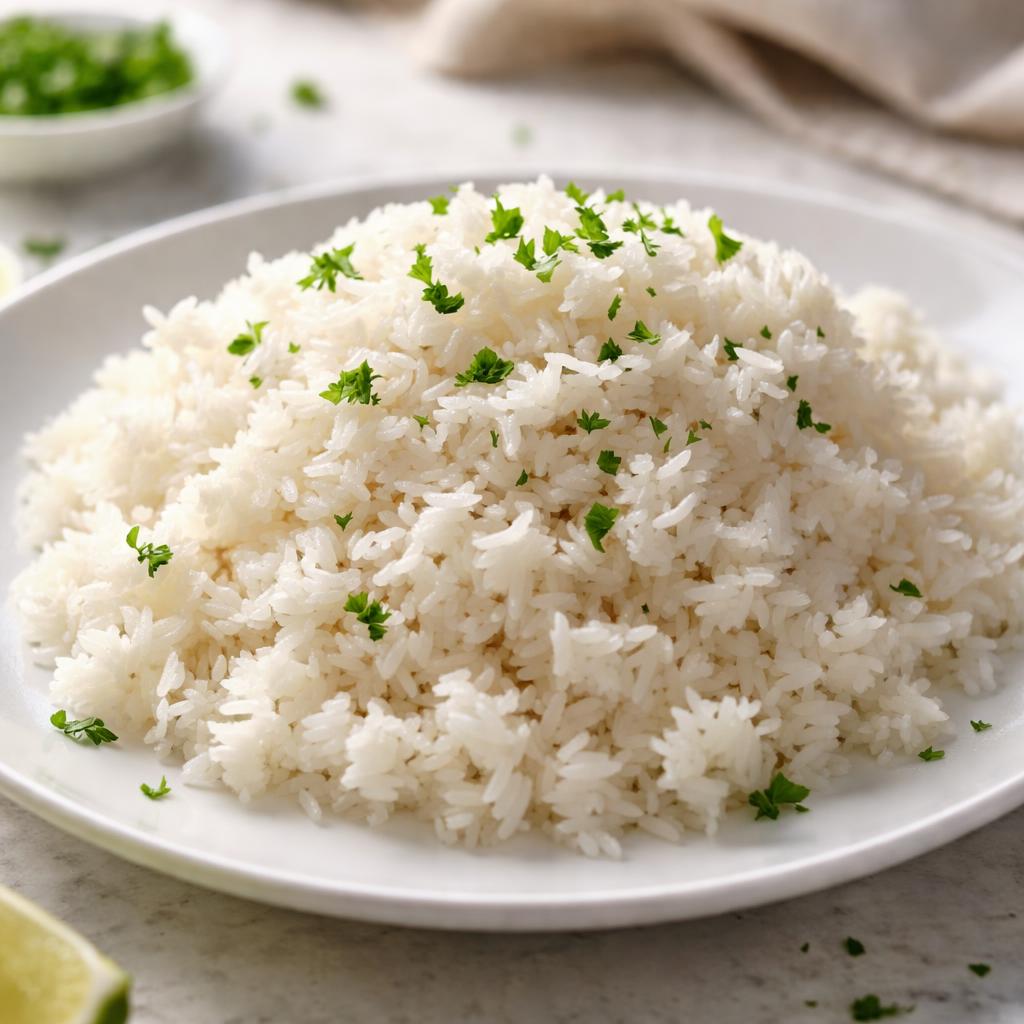
Cooked Rice
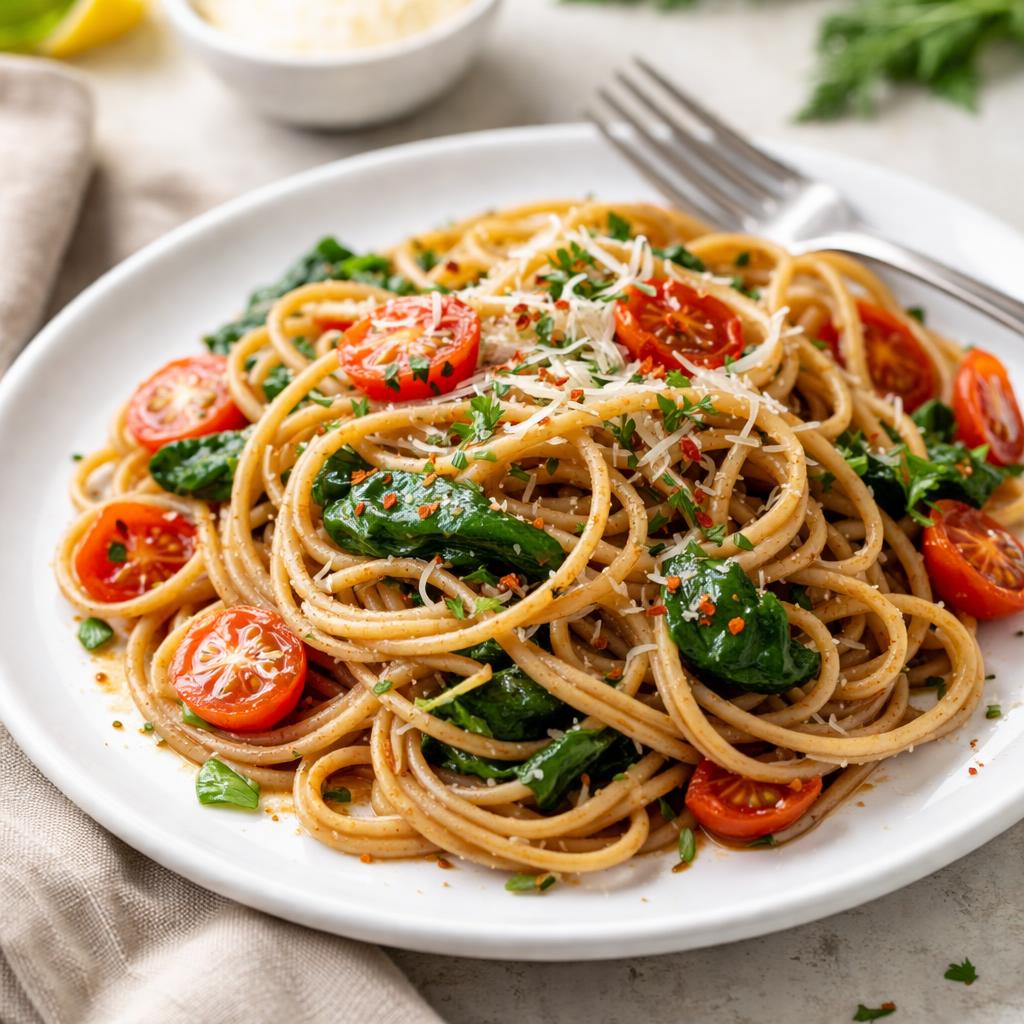
Whole Grain Pasta
🎯 Quick Verdict
Whole grain pasta outshines cooked rice in terms of protein (4x more) and fiber (3x more), making it better for satiety and nutrient density. Cooked rice has significantly fewer calories, making it ideal for lower-calorie or lighter meals. Both are good carbohydrate sources but differ in their ability to support different dietary goals.

Smart Nutrition Tracking with SnapCalorie

📊 Nutritional Comparison
Macronutrients
| Nutrient | Food 1 | Food 2 | Winner |
|---|---|---|---|
| Calories | 130 kcal | 210 kcal | ✓ |
| Protein | 2.7g | 8g | ✓ |
| Carbs | 28g | 41g | ✓ |
| Fat | 0.3g | 1.3g | ✓ |
| Fiber | 0.4g | 2.5g | ✓ |
Vitamins & Minerals
| Nutrient | Food 1 | Food 2 | Winner |
|---|---|---|---|
| Vitamin B1 (Thiamin) | 0.02mg | 0.14mg | ✓ |
| Folate | 58mcg | 20mcg | ✓ |
| Iron | 0.2mg | 1.2mg | ✓ |
| Magnesium | 12mg | 53mg | ✓ |
| Potassium | 26mg | 122mg | ✓ |
🏆 Category Winners
Protein
Whole grain pasta contains nearly 300% more protein per serving, ideal for muscle maintenance and satiety.
Fiber
Pasta provides significantly more fiber, aiding digestion and helping to keep you feeling fuller.
Calories
Cooked rice is lighter with 38% fewer calories, a better option for those on lower-calorie diets.
Vitamins
Whole grain pasta offers higher amounts of essential vitamins and minerals including magnesium, potassium, and iron.
🥗 Diet Compatibility
Keto
Food 1: Not Compatible
Food 2: Not Compatible
Both foods are high in carbohydrates and unsuitable for keto diets.
Vegan
Food 1: Compatible
Food 2: Compatible
Both are plant-based carbohydrate sources that fit into a vegan lifestyle.
Gluten Free
Food 1: Compatible
Food 2: Not Compatible
Rice is naturally gluten-free, while traditional whole grain pasta contains gluten.
Paleo
Food 1: Compatible
Food 2: Not Compatible
Rice aligns more with paleo guidelines, whereas pasta does not due to its processed nature.
Low-Carb
Food 1: Not Compatible
Food 2: Not Compatible
Both foods are high in carbs and unsuitable for strict low-carb diets.
💪 Health Benefits Comparison
Food 1 Benefits
- Lower calorie option for weight management
- Naturally gluten-free for those with gluten intolerance
- Good source of folate for cellular health
Food 2 Benefits
- High protein content to promote muscle growth and repair
- Rich in fiber to support digestive health and satiety
- Provides essential minerals like iron and magnesium for overall wellness
✅ The Bottom Line
Choose cooked rice for lower-calorie meals, gluten-free diets, or lighter dishes. Opt for whole grain pasta if protein and fiber are priorities, especially if you need sustained energy or nutrient density. Both are versatile carbohydrate sources that can complement various recipes.
Choose Food 1 for: Light meals, low-calorie diets, gluten-free options
Choose Food 2 for: High-protein meals, fiber-rich diets, energy-boosting dishes


