Cooked Rice VS Saffron Rice
A detailed nutritional comparison
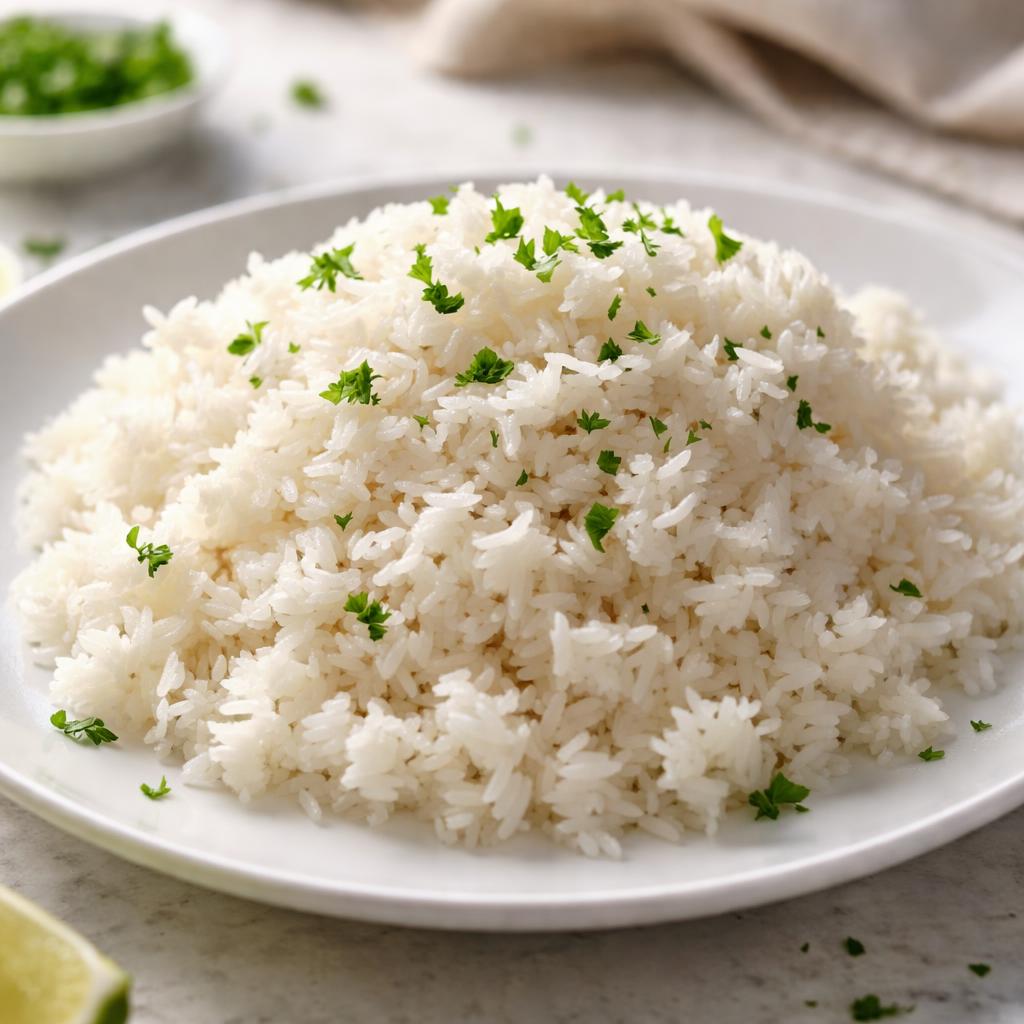
Cooked Rice
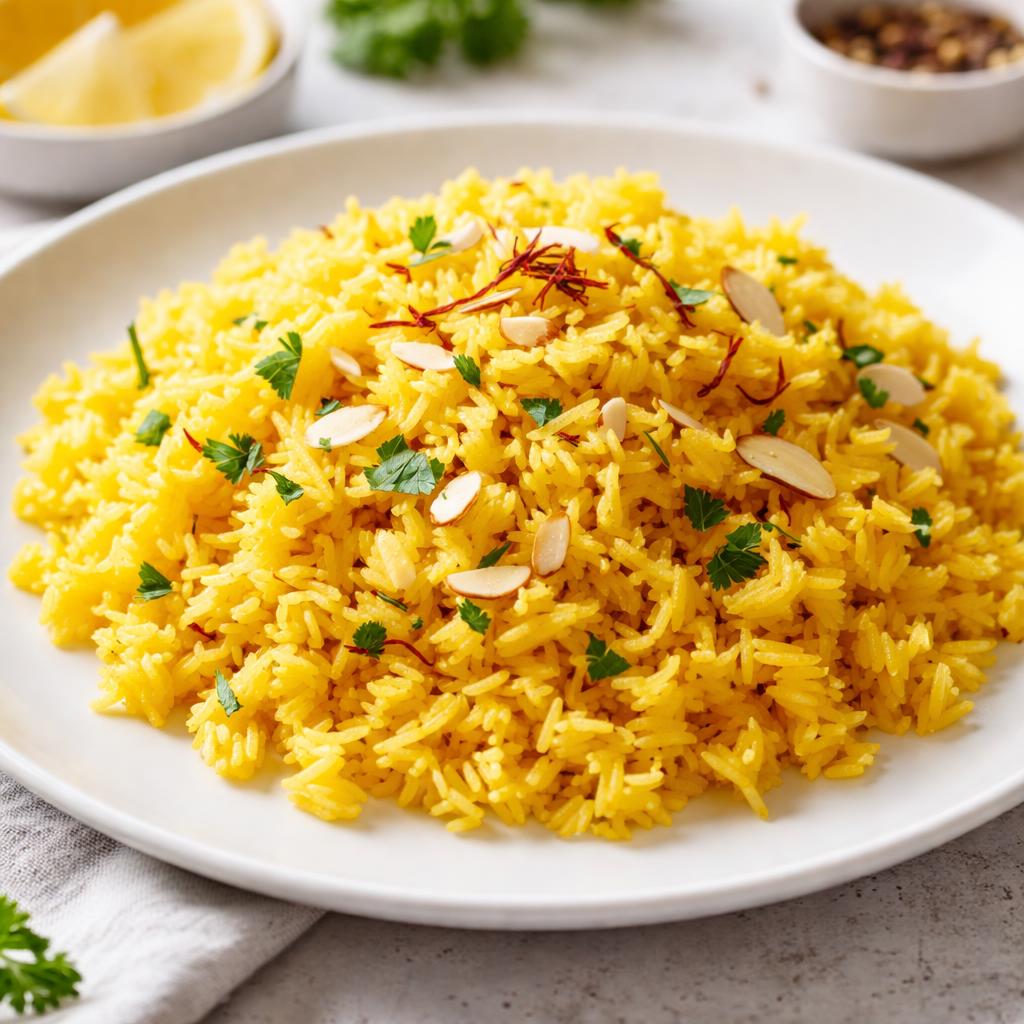
Saffron Rice
🎯 Quick Verdict
Cooked rice provides fewer calories and slightly more fiber compared to saffron rice, making it better for weight management and digestion. Saffron rice contains richer flavor and slightly more sodium from seasonings, making it ideal for enhancing culinary dishes. Both foods are similar in protein and suitable for many diets, but cooked rice is better for basic nutritional needs or low-calorie meals.

Smart Nutrition Tracking with SnapCalorie

📊 Nutritional Comparison
Macronutrients
| Nutrient | Food 1 | Food 2 | Winner |
|---|---|---|---|
| Calories | 130 | 190 | ✓ |
| Protein | 2.7g | 2.6g | − |
| Carbs | 28g | 38g | ✓ |
| Fat | 0.3g | 3.2g | ✓ |
| Fiber | 0.4g | 0.2g | ✓ |
Vitamins & Minerals
| Nutrient | Food 1 | Food 2 | Winner |
|---|---|---|---|
| Vitamin D | 0mcg | 0mcg | − |
| Calcium | 10mg | 7mg | ✓ |
| Iron | 0.2mg | 0.4mg | ✓ |
🏆 Category Winners
Protein
Both foods have nearly identical protein content.
Fiber
Cooked rice contains twice as much fiber compared to saffron rice.
Calories
Cooked rice is lower in calories, suitable for weight-conscious diets.
Vitamins
Saffron rice has slightly higher iron content.
🥗 Diet Compatibility
Keto
Food 1: Not Compatible
Food 2: Not Compatible
Both are high in carbs, unsuitable for keto diets.
Vegan
Food 1: Compatible
Food 2: Compatible
Both are plant-based and meet vegan criteria.
Gluten Free
Food 1: Compatible
Food 2: Compatible
Neither contains gluten.
Paleo
Food 1: Not Compatible
Food 2: Not Compatible
Rice is not allowed on paleo diets.
Low Carb
Food 1: Not Compatible
Food 2: Not Compatible
Both are high-carb foods, unsuitable for low-carb diets.
💪 Health Benefits Comparison
Food 1 Benefits
- Lower calorie content, supporting weight management
- Provides essential carbohydrates for energy
- Low in fat for heart health
Food 2 Benefits
- Enhanced flavor with saffron spices
- Contains more iron for supporting oxygen transport
- Includes healthy fats from added oils
✅ The Bottom Line
Cooked rice is better for simple meals or weight management due to lower calories, but saffron rice provides a richer taste profile and slightly more iron. Choose cooked rice for basic health-focused goals and saffron rice for special occasions or flavorful dishes.
Choose Food 1 for: Weight management, low-calorie diets, basic meals
Choose Food 2 for: Special culinary dishes, iron-intake support, flavor enhancement


