Cooked Rice VS Boiled Rice
A detailed nutritional comparison
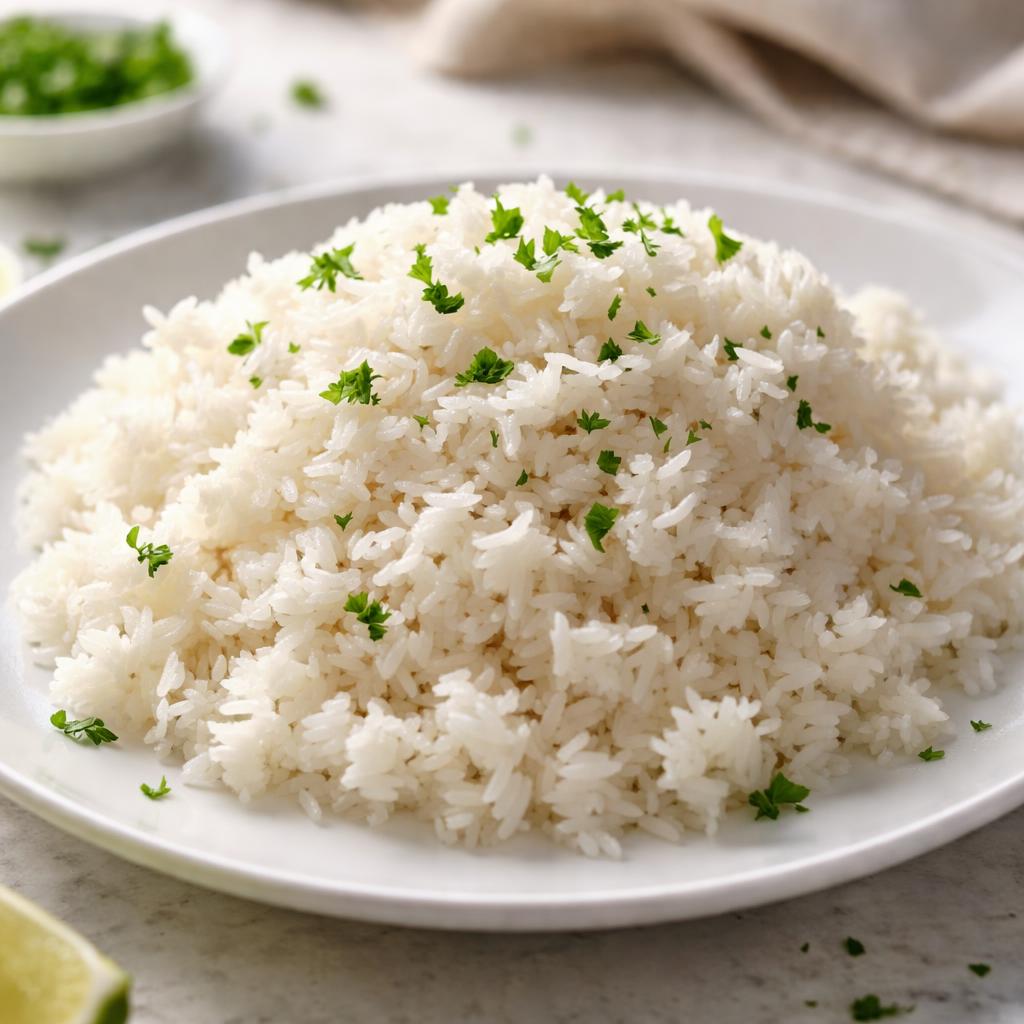
Cooked Rice
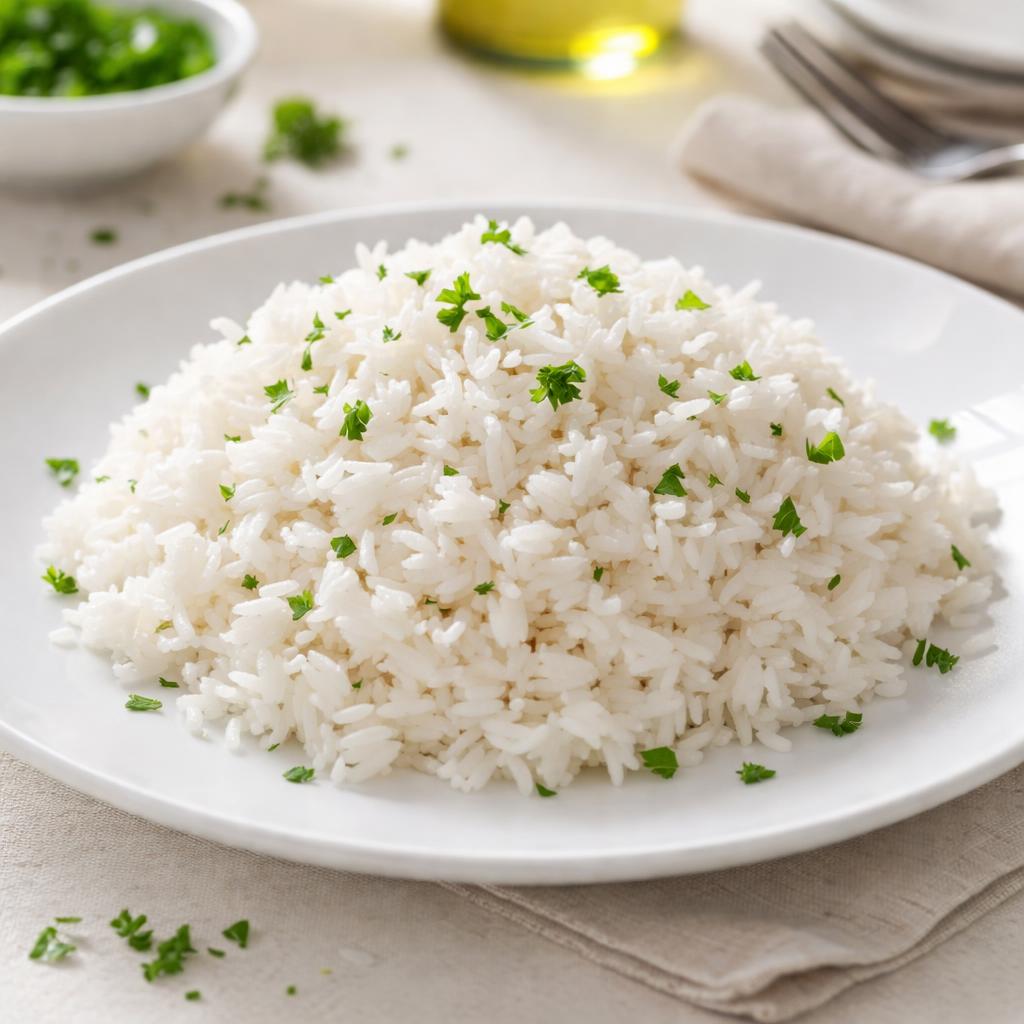
Boiled Rice
🎯 Quick Verdict
Cooked rice and boiled rice are nutritionally quite similar, as boiling and cooking create comparable results for rice's natural composition. Neither food provides significant differences in macronutrients like protein, fiber, or calories, making them interchangeable in most diets. Both are versatile carbohydrate sources suitable for various dietary approaches like vegan or gluten-free lifestyles, but neither fits well into low-carb or keto plans due to their high carbohydrate content.

Smart Nutrition Tracking with SnapCalorie

📊 Nutritional Comparison
Macronutrients
| Nutrient | Food 1 | Food 2 | Winner |
|---|---|---|---|
| Calories | 130 | 130 | − |
| Protein | 2.7g | 2.7g | − |
| Carbs | 28g | 28g | − |
| Fat | 0.3g | 0.3g | − |
| Fiber | 0.4g | 0.4g | − |
Vitamins & Minerals
| Nutrient | Food 1 | Food 2 | Winner |
|---|---|---|---|
| Vitamin D | 0mcg | 0mcg | − |
| Calcium | 10mg | 10mg | − |
| Iron | 0.2mg | 0.2mg | − |
🏆 Category Winners
Protein
Both foods have identical protein content.
Fiber
Both foods provide the same amount of fiber (0.4g per serving).
Calories
Both foods contain the same caloric value of 130 calories per serving.
🥗 Diet Compatibility
Keto
Food 1: Not Compatible
Food 2: Not Compatible
Both are high-carb foods with ~28g of carbs per serving.
Vegan
Food 1: Compatible
Food 2: Compatible
Neither food is animal-based.
Gluten Free
Food 1: Compatible
Food 2: Compatible
Rice naturally does not contain gluten.
Paleo
Food 1: Compatible
Food 2: Compatible
Rice is considered acceptable in many paleo variations.
Low Carb
Food 1: Not Compatible
Food 2: Not Compatible
Both foods are predominantly carbohydrates.
💪 Health Benefits Comparison
Food 1 Benefits
- Easily digestible carbohydrate for quick energy
- Low in fat, suitable for low-fat diets
- Provides small amounts of essential minerals like iron
Food 2 Benefits
- Gentle on the stomach and good for digestion
- Low-calorie source of carbs for energy needs
- Naturally gluten-free, supports dietary restrictions
✅ The Bottom Line
Cooked rice and boiled rice are essentially identical nutritionally and can be used interchangeably in most diets. Both are excellent sources of digestible carbohydrates for energy, but not ideal for low-carb diets like keto. They are versatile, gluten-free, and compatible with vegan and paleo practices.
Choose Food 1 for: Quick energy, side dish for meals, paired with high-protein foods
Choose Food 2 for: Gentle recipes for digestive support, gluten-free meal plans, or balanced energy from carbs


