Cooked Quinoa VS Rice Flour
A detailed nutritional comparison
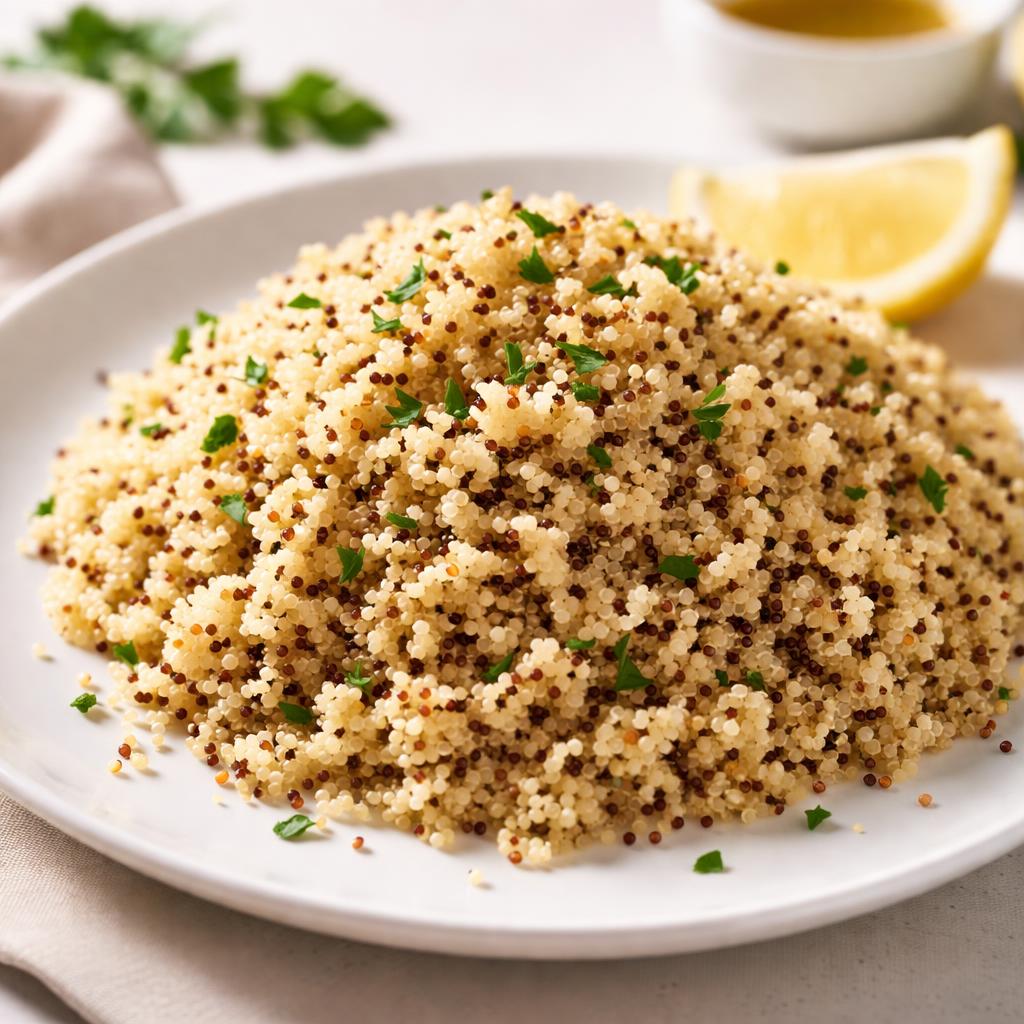
Cooked Quinoa
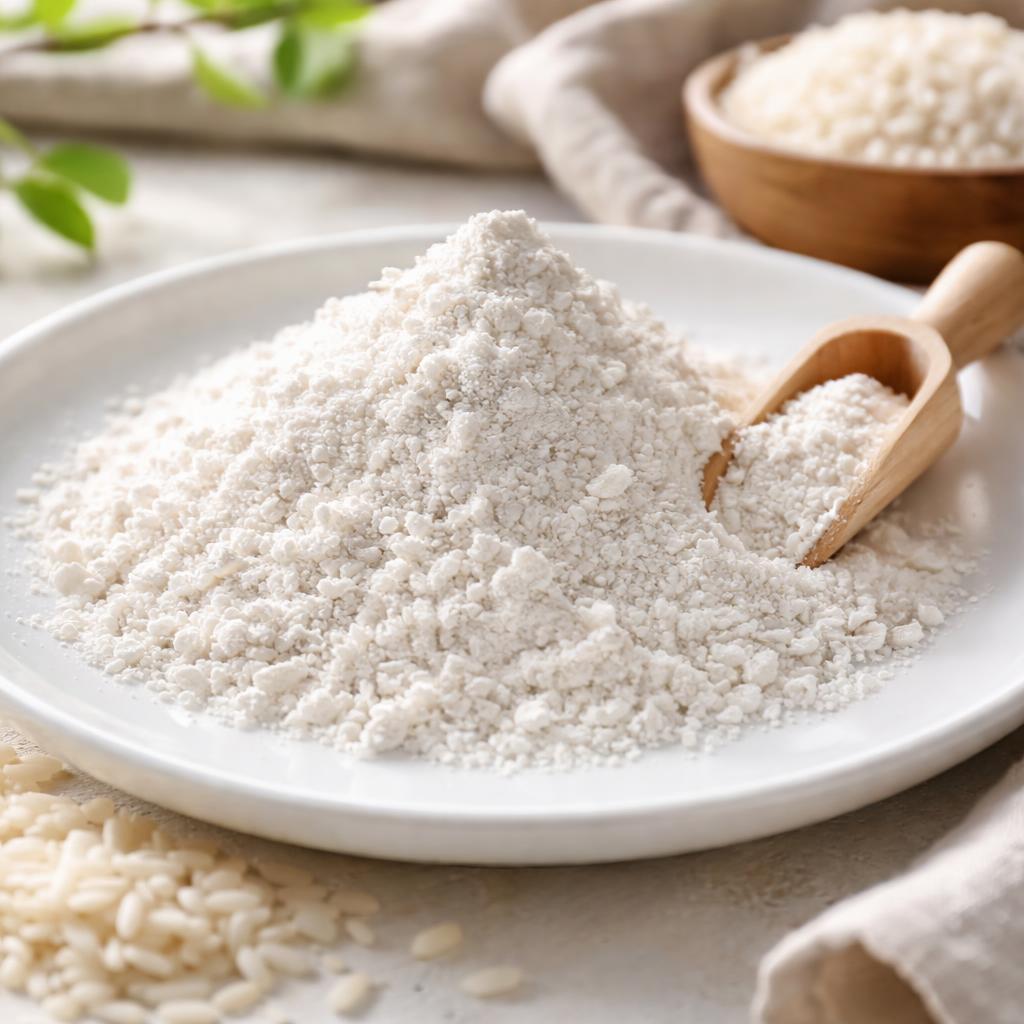
Rice Flour
🎯 Quick Verdict
Cooked quinoa is nutritionally denser than rice flour, offering more protein (4g vs. 2g per 1/4 cup serving), fiber (2g vs. 0.3g), and fewer calories (57 vs. 145). Rice flour is gluten-free and heavily carb-centric, making it suitable for baking. Quinoa is an excellent choice for balanced meals and plant-based protein hits. Both are vegan and versatile but differ in their use cases and nutritional profiles.

Smart Nutrition Tracking with SnapCalorie

📊 Nutritional Comparison
Macronutrients
| Nutrient | Food 1 | Food 2 | Winner |
|---|---|---|---|
| Calories | 57 | 145 | ✓ |
| Protein | 4g | 2g | ✓ |
| Carbs | 10g | 30g | ✓ |
| Fat | 1g | 0g | ✓ |
| Fiber | 2g | 0.3g | ✓ |
Vitamins & Minerals
| Nutrient | Food 1 | Food 2 | Winner |
|---|---|---|---|
| Vitamin B6 | 0.1mg | 0mg | ✓ |
| Magnesium | 23mg | 2mg | ✓ |
| Iron | 0.8mg | 0.2mg | ✓ |
🏆 Category Winners
Protein
Cooked quinoa offers twice as much protein per serving compared to rice flour.
Fiber
Quinoa contains over 6 times more fiber, supporting digestive health.
Calories
Quinoa provides significantly fewer calories per serving, making it better for weight-conscious diets.
Vitamins
Quinoa is richer in B vitamins, magnesium, and iron compared to rice flour.
🥗 Diet Compatibility
Keto
Food 1: Not Compatible
Food 2: Not Compatible
Both foods are too high in carbohydrates to be keto-friendly.
Vegan
Food 1: Compatible
Food 2: Compatible
Both foods are plant-based and suitable for vegan diets.
Gluten Free
Food 1: Compatible
Food 2: Compatible
Neither food contains gluten; rice flour is commonly used in gluten-free baking.
Paleo
Food 1: Compatible
Food 2: Not Compatible
Quinoa can align with paleo diets when used occasionally, but rice flour often doesn't meet paleo guidelines due to processing.
Low-Carb
Food 1: Not Compatible
Food 2: Not Compatible
Both foods contain a significant amount of carbs, making them unsuitable for strict low-carb diets.
💪 Health Benefits Comparison
Food 1 Benefits
- Complete protein source, containing all essential amino acids
- Rich in fiber for improving digestive health
- Provides magnesium for bone health and energy metabolism
- Contains iron to support oxygen transport in the blood
Food 2 Benefits
- Gluten-free alternative suitable for those with celiac disease
- Easily digestible carbohydrate source for quick energy
- Can be used in baking to create light, fluffy textures
- Low fat content appeals to individuals seeking a fat-free grain substitute
✅ The Bottom Line
Cooked quinoa outperforms rice flour in terms of protein, fiber, and micronutrients, making it the healthier and more nutrient-dense choice for balanced meals. However, rice flour is more practical for gluten-free baking and recipes requiring a light texture. Choose quinoa for meals focused on nutrition and rice flour for specific baking and gluten-free needs.
Choose Food 1 for: Balanced meals, plant-based protein needs, weight maintenance
Choose Food 2 for: Gluten-free baking, quick energy, low-fat diets


