Cooked Quinoa VS Cooked White Rice
A detailed nutritional comparison
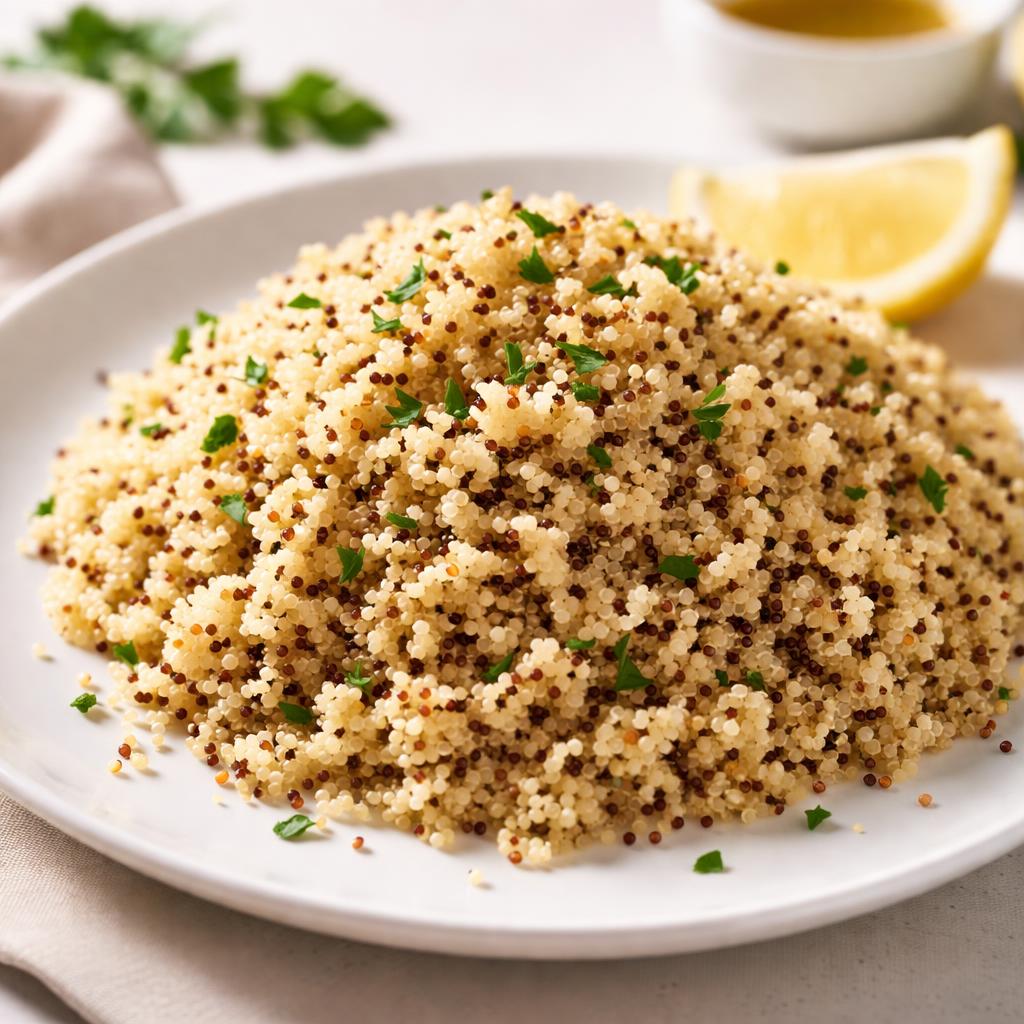
Cooked Quinoa
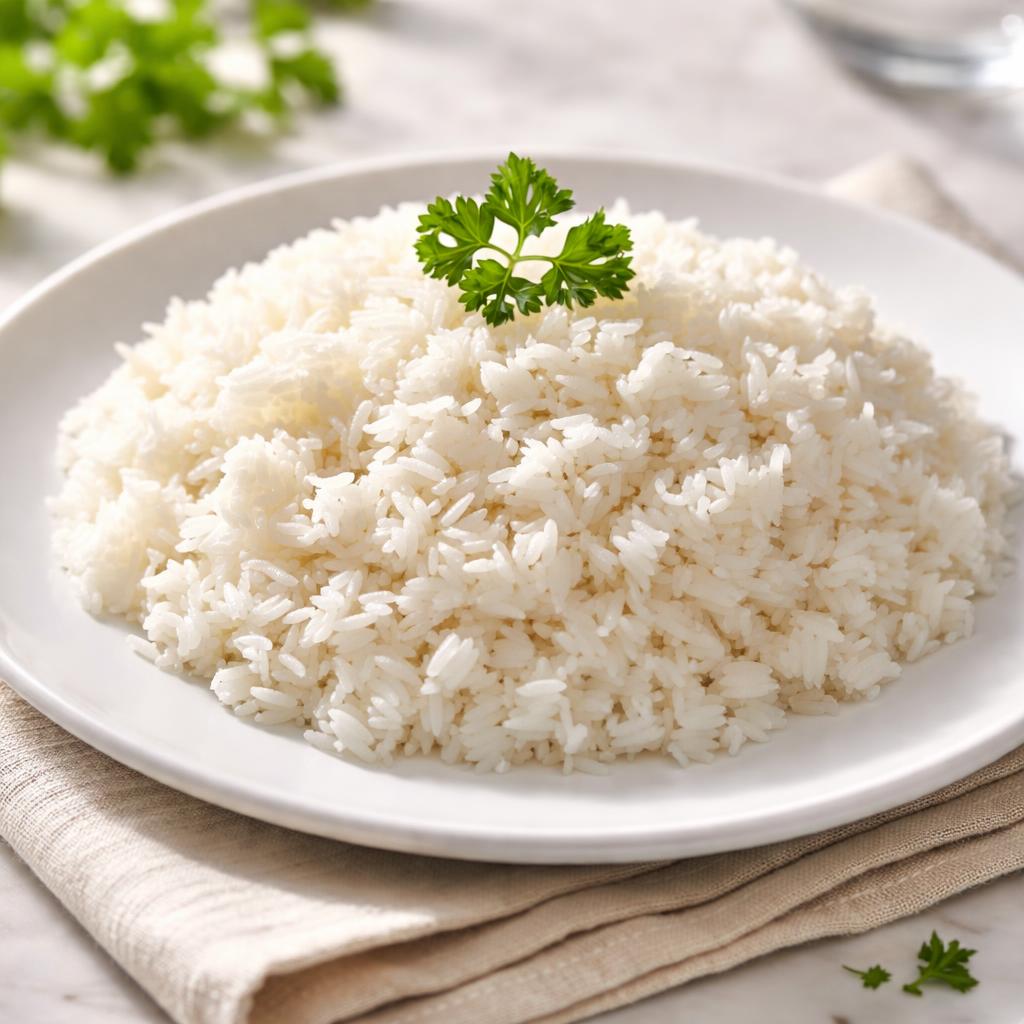
Cooked White Rice
🎯 Quick Verdict
Cooked quinoa is a nutritionally denser choice due to its higher protein, fiber, and mineral content, as well as its complete amino acid profile. Cooked white rice, however, is a lower-calorie option and may be preferable for individuals seeking easily digestible carbohydrates. Quinoa is ideal for boosting nutrition, while white rice works well for energy-focused meals or sensitive digestion.

Smart Nutrition Tracking with SnapCalorie

📊 Nutritional Comparison
Macronutrients
| Nutrient | Food 1 | Food 2 | Winner |
|---|---|---|---|
| Calories | 120 | 130 | ✓ |
| Protein | 4g | 2g | ✓ |
| Carbs | 21g | 28g | ✓ |
| Fat | 2g | 0g | ✓ |
| Fiber | 2.5g | 0.3g | ✓ |
Vitamins & Minerals
| Nutrient | Food 1 | Food 2 | Winner |
|---|---|---|---|
| Vitamin B6 | 0.1mg | 0.05mg | ✓ |
| Magnesium | 60mg | 12mg | ✓ |
| Iron | 1.5mg | 0.2mg | ✓ |
🏆 Category Winners
Protein
Quinoa contains double the protein of white rice and is a complete protein source.
Fiber
Quinoa has 8 times more fiber than white rice, supporting better digestion.
Calories
White rice contains fewer calories, making it a lower-energy option.
🥗 Diet Compatibility
Keto
Food 1: Not Compatible
Food 2: Not Compatible
Both are too high in carbohydrates for the keto diet.
Vegan
Food 1: Compatible
Food 2: Compatible
Both are plant-based foods suitable for vegans.
Gluten Free
Food 1: Compatible
Food 2: Compatible
Neither contains gluten naturally and is safe for gluten-free diets.
Paleo
Food 1: Compatible
Food 2: Compatible
Both can fit in a paleo diet as unprocessed whole foods.
Low Carb
Food 1: Not Compatible
Food 2: Not Compatible
Carb content in both foods exceeds typical low-carb thresholds.
💪 Health Benefits Comparison
Food 1 Benefits
- High in protein for muscle repair and growth
- Rich in magnesium for bone and cardiovascular health
- Provides iron for improved oxygen transport and energy levels
- Contains antioxidants for reducing inflammation
Food 2 Benefits
- Easily digestible source of energy
- Low in fiber ideal for sensitive stomachs
- Pairs well with protein-rich and fiber-rich foods
- Provides a quick carbohydrate refill for athletes
✅ The Bottom Line
Cooked quinoa comes out ahead for most nutrient categories, offering more protein, fiber, and minerals, making it a great pick for balanced meals and nutrition-focused diets. White rice is better for those seeking a low-calorie, easily digestible carbohydrate option for energy-focused meals or post-activity refueling.
Choose Food 1 for: Balanced nutrition, plant-based protein, digestion support
Choose Food 2 for: Quick energy boost, sensitive digestion, low-calorie diets


