Cooked Pasta VS Rice Bowl
A detailed nutritional comparison
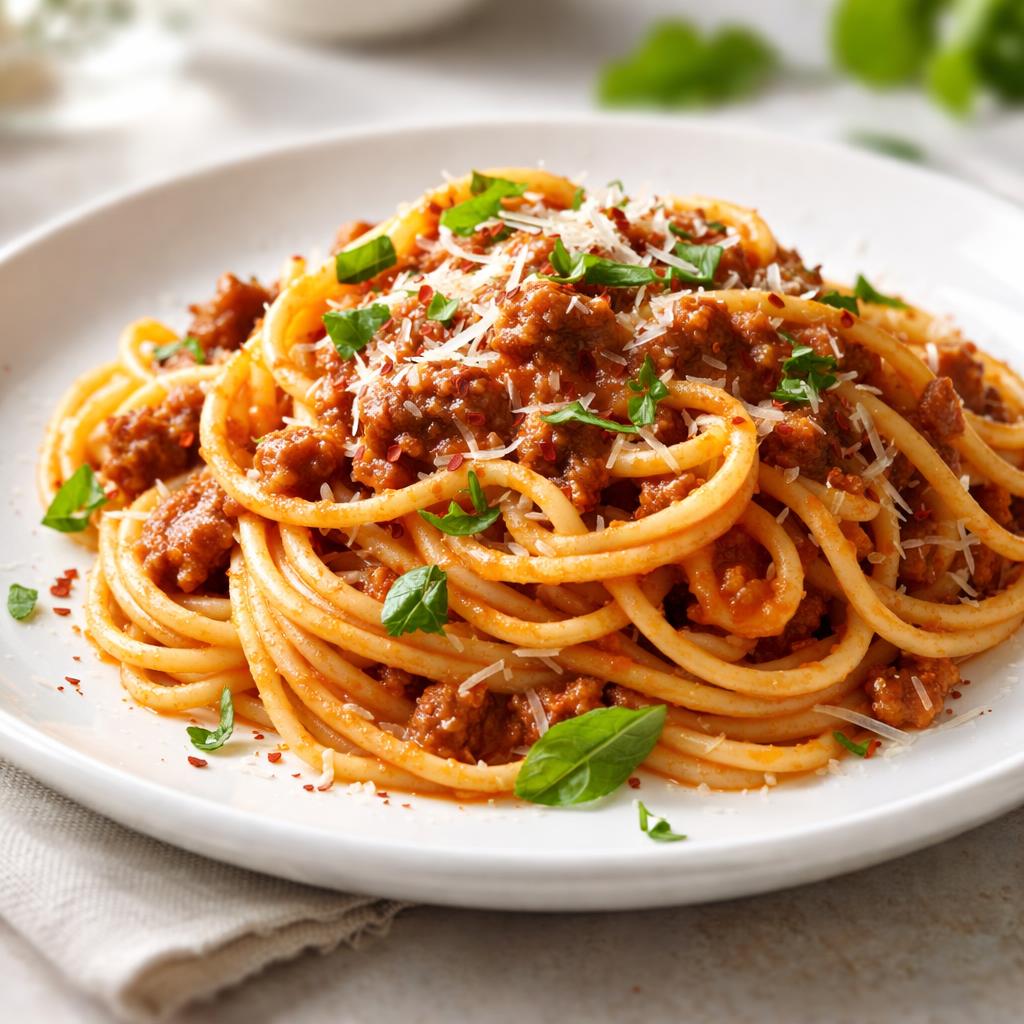
Cooked Pasta
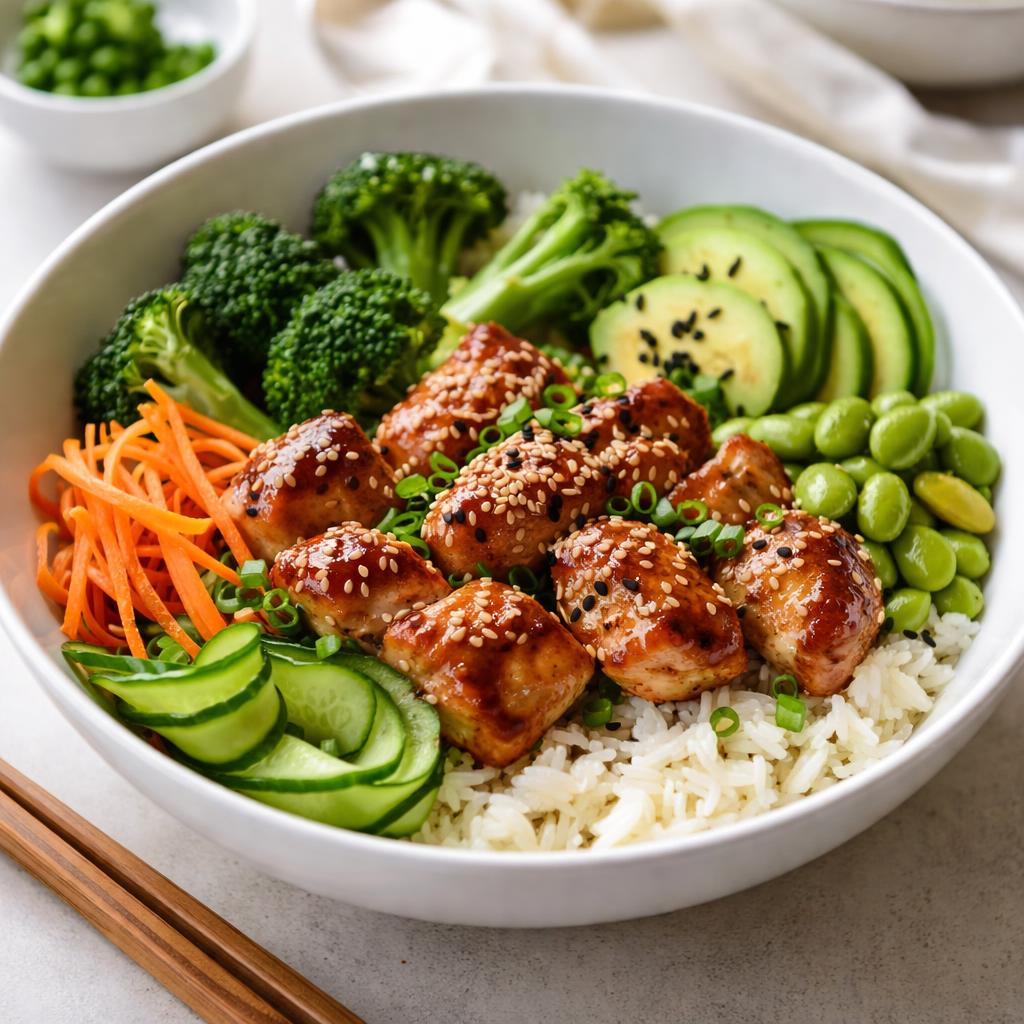
Rice Bowl
🎯 Quick Verdict
Cooked pasta and a rice bowl offer different nutritional profiles. Pasta provides slightly more fiber, making it a good option for digestive health, while rice is lower in calories, which may be helpful for weight loss. Both are versatile staples that fit into various diets and cuisines depending on preparation and add-ons.

Smart Nutrition Tracking with SnapCalorie

📊 Nutritional Comparison
Macronutrients
| Nutrient | Food 1 | Food 2 | Winner |
|---|---|---|---|
| Calories | 158 | 130 | ✓ |
| Protein | 5.5g | 2.7g | − |
| Carbs | 31g | 28g | ✓ |
| Fat | 0.9g | 0.3g | ✓ |
| Fiber | 1.8g | 0.3g | ✓ |
Vitamins & Minerals
| Nutrient | Food 1 | Food 2 | Winner |
|---|---|---|---|
| Vitamin B1 (Thiamine) | 0.02mg | 0.07mg | ✓ |
| Iron | 0.8mg | 0.2mg | ✓ |
| Magnesium | 18mg | 12mg | ✓ |
🏆 Category Winners
Protein
Both contain moderate amounts of protein suitable for plant-based diets.
Fiber
Pasta provides nearly 6x more fiber than rice, supporting digestion.
Calories
Rice bowl is lower in calories by approximately 20%.
Vitamins
Rice bowl contains more Vitamin B1, important for energy metabolism.
🥗 Diet Compatibility
Keto
Food 1: Not Compatible
Food 2: Not Compatible
Both foods are high in carbs.
Vegan
Food 1: Compatible
Food 2: Compatible
Both are plant-based foods.
Gluten Free
Food 1: Not Compatible
Food 2: Compatible
Rice is naturally gluten-free, but pasta typically contains gluten unless made gluten-free.
Paleo
Food 1: Not Compatible
Food 2: Compatible
Rice fits the paleo diet, while traditional pasta does not.
Low Carb
Food 1: Not Compatible
Food 2: Not Compatible
Both foods are high-carb staples and are not suitable for low-carb diets.
💪 Health Benefits Comparison
Food 1 Benefits
- Provides slow-digesting carbs for sustained energy
- Moderate protein for muscle repair
- Relatively high fiber to support digestion
Food 2 Benefits
- Low-calorie option for weight-conscious diets
- Easy to digest, making it ideal for sensitive stomachs
- Source of Vitamin B1 to aid energy metabolism
✅ The Bottom Line
Cooked pasta and rice bowls are both versatile and nutritious staples, though they differ in fiber and calorie content. Opt for pasta if digestion and fiber intake are priorities. Choose rice if caloric content and easy digestion are more important.
Choose Food 1 for: Digestive health, higher fiber requirements, sustained energy
Choose Food 2 for: Low-calorie diets, sensitive stomachs, quick energy metabolism


