Cooked Pasta VS Pearl Barley
A detailed nutritional comparison
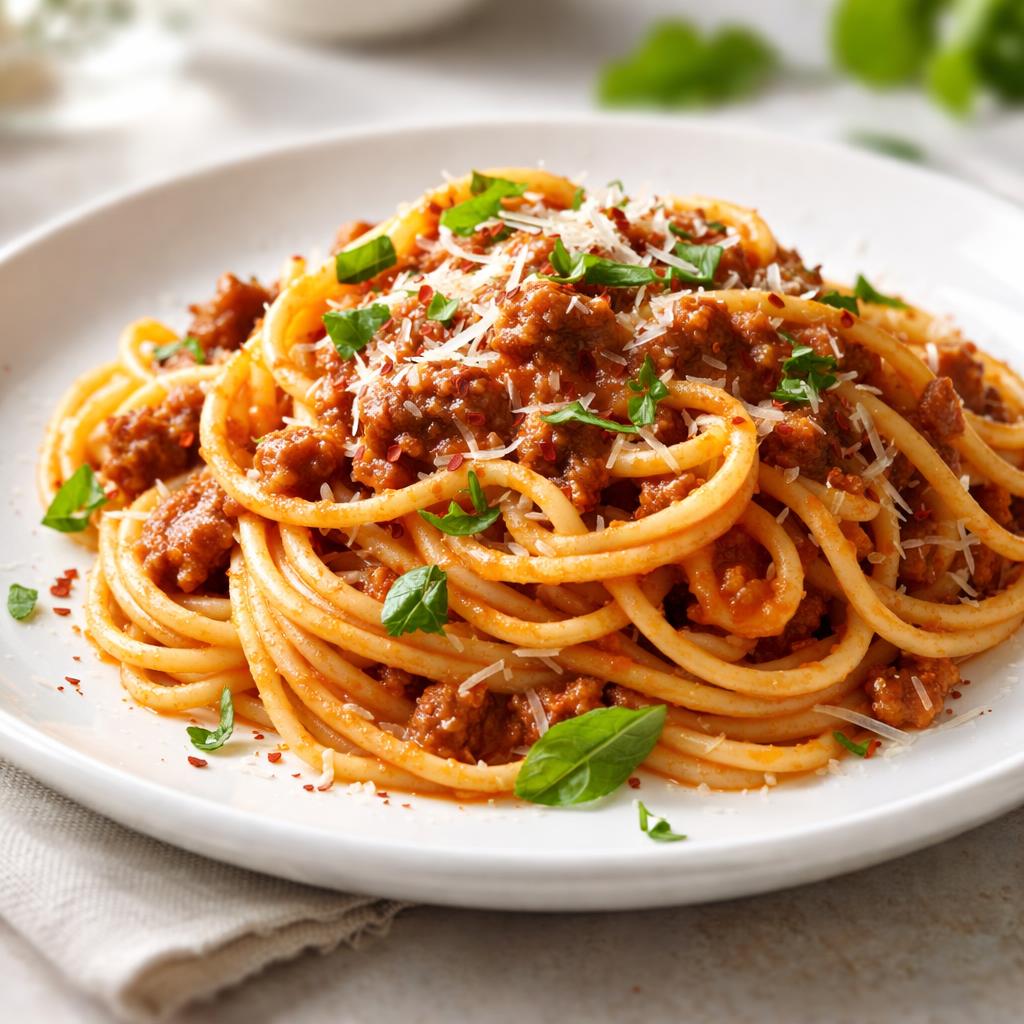
Cooked Pasta
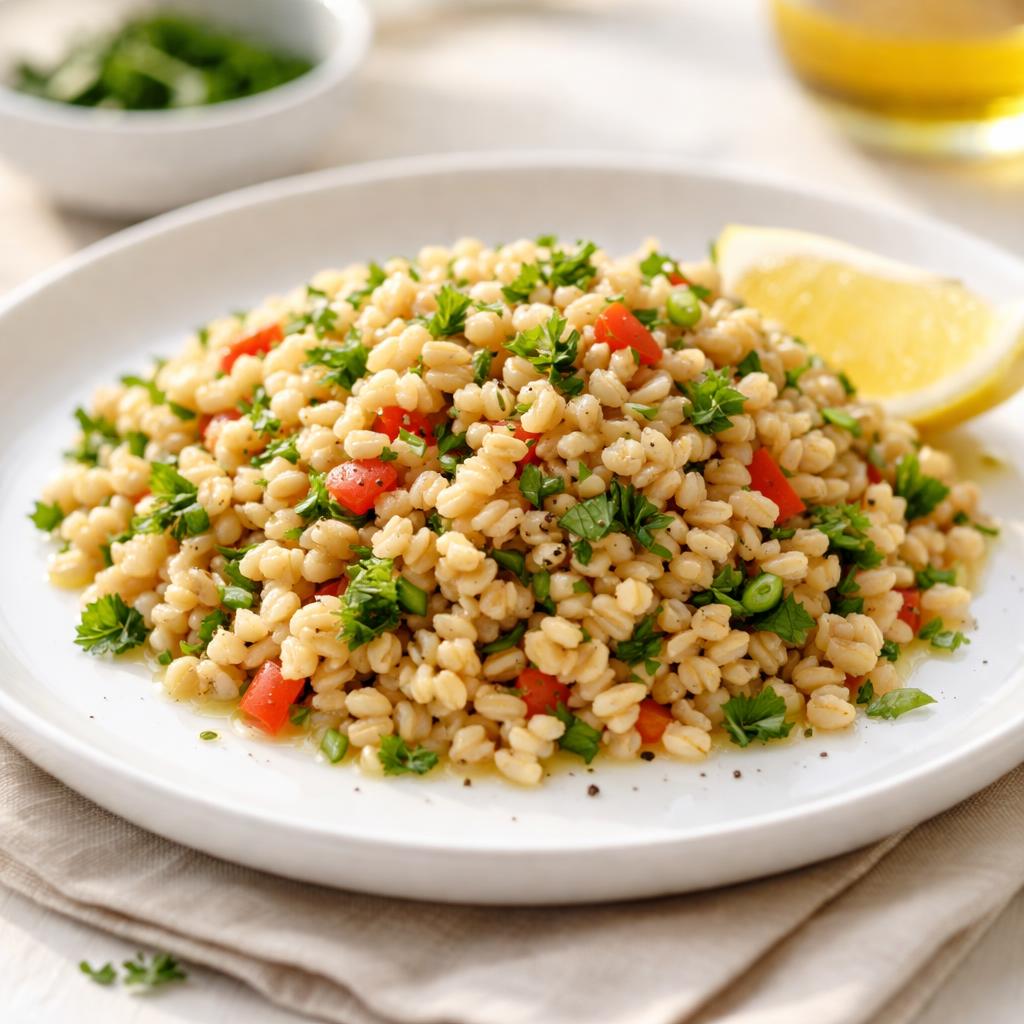
Pearl Barley
🎯 Quick Verdict
Pearl barley outperforms cooked pasta in protein (3.5g vs 2.9g) and fiber (3.8g vs 1.3g) per 100g, making it a more nutrient-dense choice for sustained energy and digestive health. Cooked pasta is lower in calories, which makes it better for weight management or lighter meals. Choose pasta for quicker digestion and pearl barley for long-lasting fullness and heart health benefits.

Smart Nutrition Tracking with SnapCalorie

📊 Nutritional Comparison
Macronutrients
| Nutrient | Food 1 | Food 2 | Winner |
|---|---|---|---|
| Calories | 131 | 123 | ✓ |
| Protein | 2.9g | 3.5g | ✓ |
| Carbs | 25g | 28.2g | ✓ |
| Fat | 0.6g | 0.4g | ✓ |
| Fiber | 1.3g | 3.8g | ✓ |
Vitamins & Minerals
| Nutrient | Food 1 | Food 2 | Winner |
|---|---|---|---|
| Vitamin B3 (Niacin) | 0.6mg | 2mg | ✓ |
| Iron | 0.2mg | 0.8mg | ✓ |
| Magnesium | 7mg | 20mg | ✓ |
🏆 Category Winners
Protein
Pearl barley contains 20% more protein per 100g.
Fiber
Pearl barley provides nearly 3x the fiber content, promoting better digestion.
Calories
Pearl barley is slightly lower in calories compared to pasta per serving.
Vitamins
Pearl barley is richer in minerals such as magnesium and iron, plus B vitamins.
🥗 Diet Compatibility
Keto
Food 1: Not Compatible
Food 2: Not Compatible
Both foods are high in carbs and unsuitable for keto diets.
Vegan
Food 1: Compatible
Food 2: Compatible
Both pasta and pearl barley are plant-based and vegan-friendly.
Gluten Free
Food 1: Not Compatible
Food 2: Not Compatible
Both contain gluten and are not suitable for those with gluten intolerance.
Paleo
Food 1: Not Compatible
Food 2: Not Compatible
Both are grains and not allowed on the paleo diet.
Low-Carb
Food 1: Not Compatible
Food 2: Not Compatible
Each food contains 25+ grams of carbs per serving, making them high-carb options.
💪 Health Benefits Comparison
Food 1 Benefits
- Provides quick-release energy from carbs, ideal for athletes.
- Relatively low calorie content for portion control.
- Easy to digest, suitable for lighter meals.
Food 2 Benefits
- Rich in fiber for improved gut health and digestion.
- Contains beneficial minerals like magnesium and iron for bone and blood health.
- Higher protein content supports muscle repair and sustained energy.
✅ The Bottom Line
Choose cooked pasta for convenience, quick energy, and lighter meals, especially if calorie-focused. Select pearl barley for its superior protein, fiber, and mineral content, promoting fullness, digestive health, and overall nutrient density.
Choose Food 1 for: Quick meals, weight management, energy boost
Choose Food 2 for: Sustained energy, heart health, balanced nutrition


