Chicken VS Wine
A detailed nutritional comparison
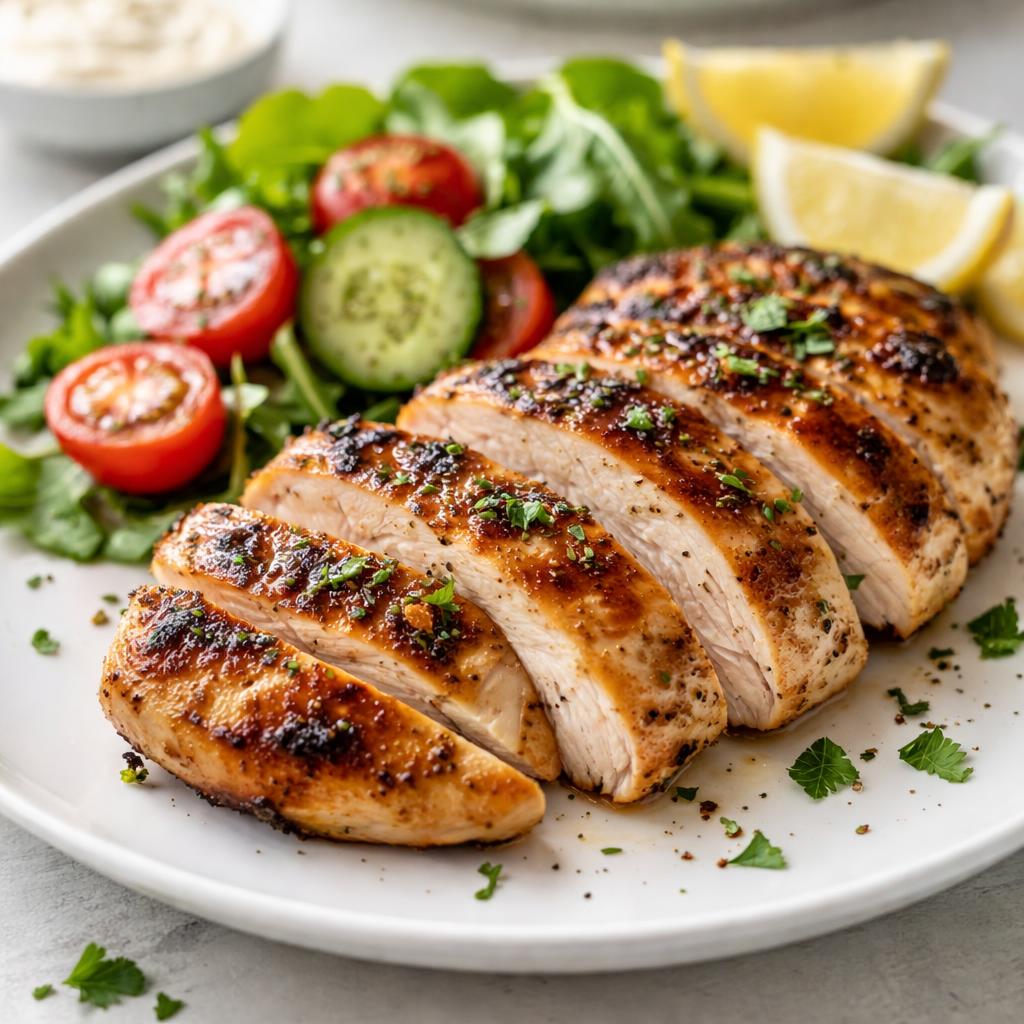
Chicken
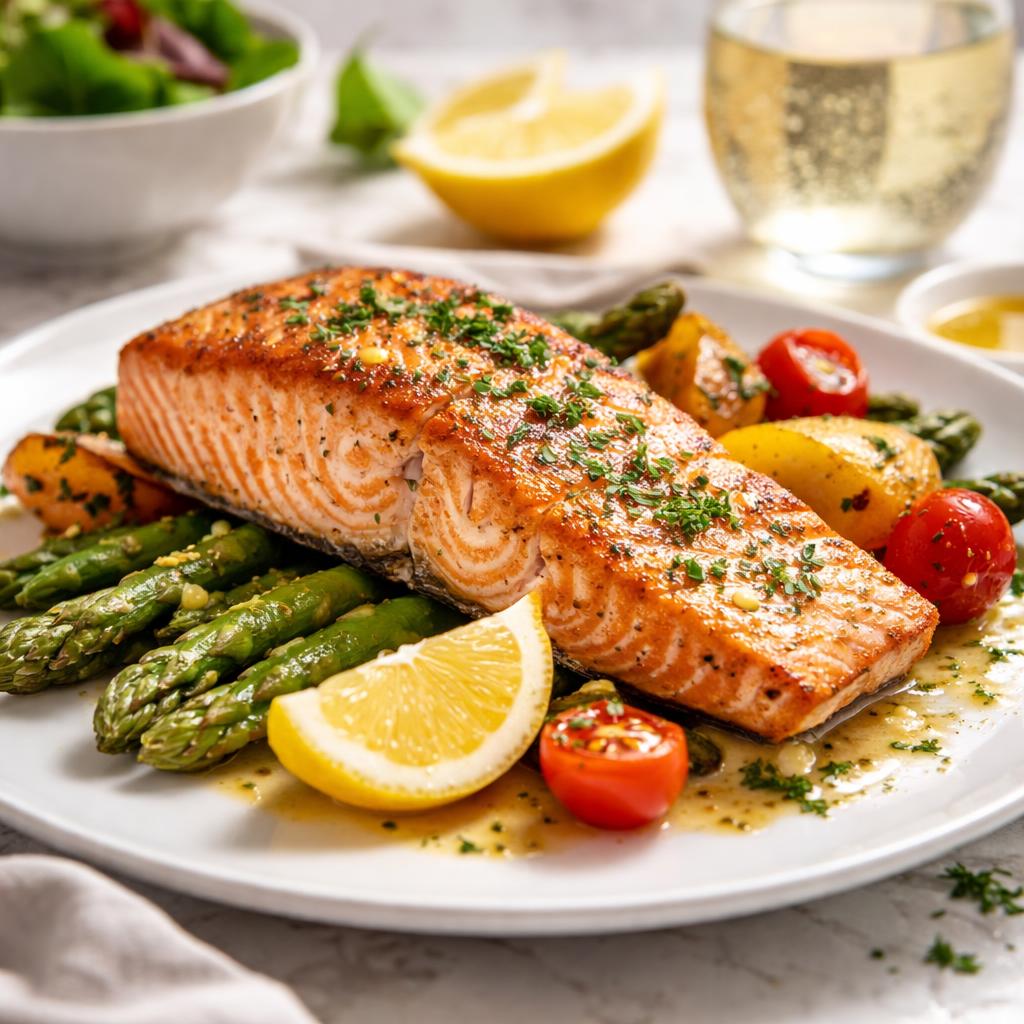
Wine
🎯 Quick Verdict
Chicken is a high-protein, nutrient-dense food ideal for muscle maintenance and general health, while wine contains almost no macronutrients but provides antioxidants and has fewer calories per serving than chicken. Chicken is a great choice for meals, while wine may complement meals socially or add polyphenols in moderation.

Smart Nutrition Tracking with SnapCalorie

📊 Nutritional Comparison
Macronutrients
| Nutrient | Food 1 | Food 2 | Winner |
|---|---|---|---|
| Calories | 165 | 125 | ✓ |
| Protein | 31g | 0g | ✓ |
| Carbs | 0g | 4g | ✓ |
| Fat | 3.6g | 0g | ✓ |
| Fiber | 0g | 0g | − |
Vitamins & Minerals
| Nutrient | Food 1 | Food 2 | Winner |
|---|---|---|---|
| Vitamin D | 0.1mcg | 0mcg | ✓ |
| Calcium | 15mg | 11mg | ✓ |
| Iron | 1.3mg | 0.5mg | ✓ |
🏆 Category Winners
Protein
Chicken has 31g of protein per serving, while wine has none.
Fiber
Neither chicken nor wine contains fiber.
Calories
Wine contains fewer calories (125 per serving) compared to chicken (165 per serving).
🥗 Diet Compatibility
Keto
Food 1: Compatible
Food 2: Compatible
Both foods are low in carbohydrates.
Vegan
Food 1: Not Compatible
Food 2: Compatible
Chicken is an animal-based food, while wine is plant-based.
Gluten Free
Food 1: Compatible
Food 2: Compatible
Neither chicken nor wine contains gluten.
Paleo
Food 1: Compatible
Food 2: Partially Compatible
Chicken fits the paleo diet, while wine contains alcohol, which is limited in strict paleo approaches.
Low Carbohydrate
Food 1: Compatible
Food 2: Compatible
Both foods have very low carbohydrate content — chicken has 0g and wine has 4g per serving.
💪 Health Benefits Comparison
Food 1 Benefits
- High-protein source for muscle building and repair
- Low-fat option for weight management
- Contains essential vitamins and minerals like iron and vitamin B6
- Supports satiety and general nutritional balance
Food 2 Benefits
- Rich in polyphenols and antioxidants that may support heart health
- Moderate alcohol consumption can reduce stress in social settings
- Low-calorie beverage option compared to sugary drinks
- May improve cholesterol levels when consumed responsibly
✅ The Bottom Line
Chicken is a nutrient-dense, versatile food offering high protein and essential vitamins, ideal for meals catering to fitness and general health. Wine, in moderation, provides antioxidants and social benefits with fewer calories per serving but lacks substantial nutrition. Choose chicken for meals or fitness goals, and wine (moderately) for occasional indulgence or antioxidant benefits.
Choose Food 1 for: High-protein diets, weight loss, muscle recovery
Choose Food 2 for: Occasional indulgence, heart health benefits, low-calorie social beverage


