Chicken VS White Wine
A detailed nutritional comparison
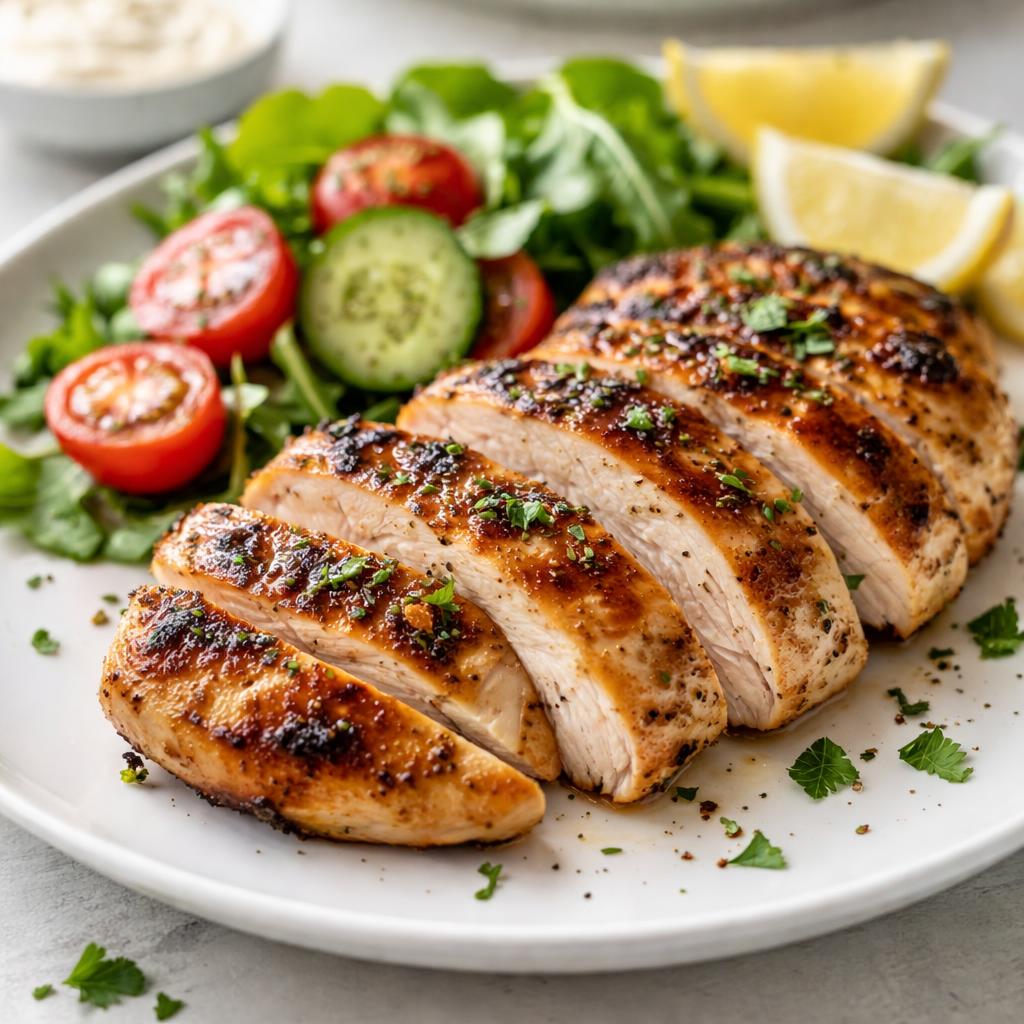
Chicken
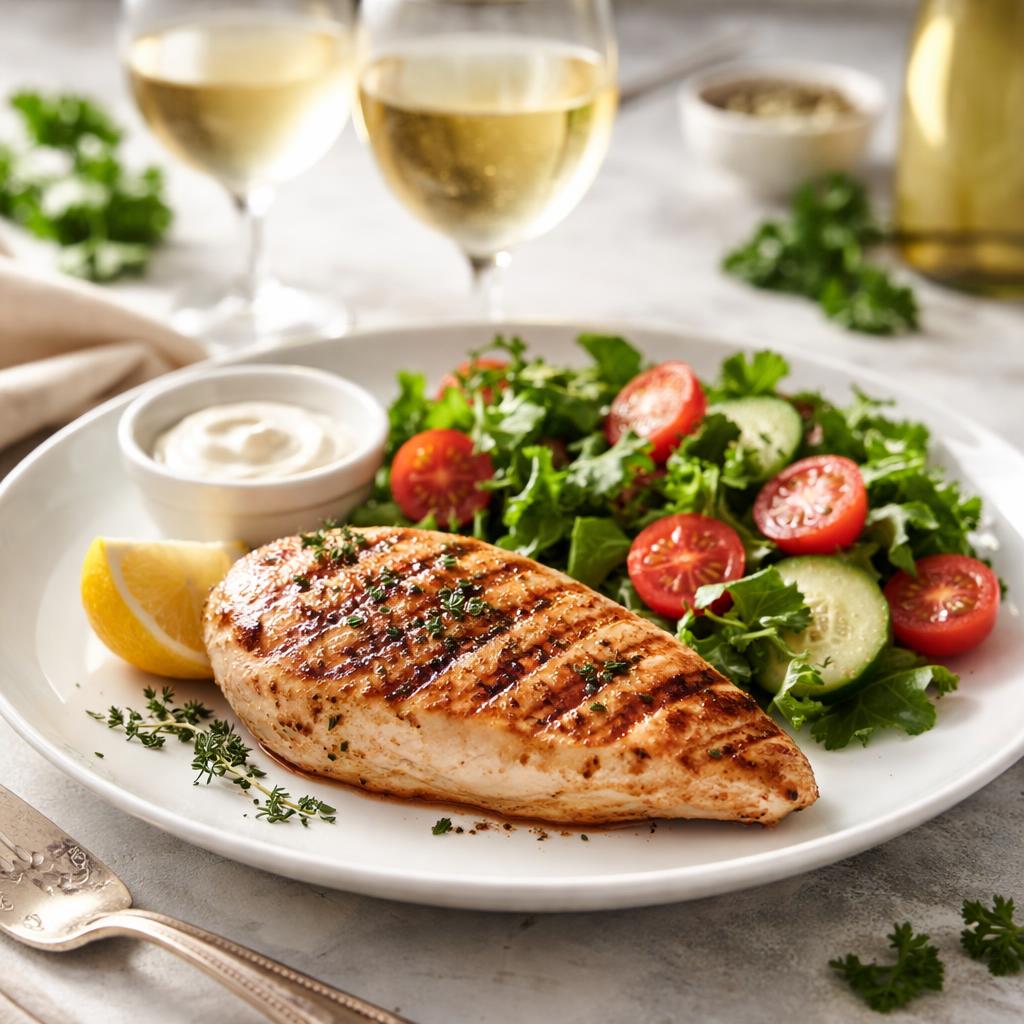
White Wine
🎯 Quick Verdict
Chicken is a high-protein, nutrient-dense food that supports muscle growth and overall health, while white wine is primarily high in calories and negligible in macronutrients but offers antioxidants. Chicken is more versatile for meals, whereas white wine is typically consumed in moderation as a beverage.

Smart Nutrition Tracking with SnapCalorie

📊 Nutritional Comparison
Macronutrients
| Nutrient | Food 1 | Food 2 | Winner |
|---|---|---|---|
| Calories | 165 per 100g | 121 per 5 oz serving | ✓ |
| Protein | 31g per 100g | 0g per serving | ✓ |
| Carbs | 0g per 100g | 4g per serving | ✓ |
| Fat | 3.6g per 100g | 0g per serving | ✓ |
| Fiber | 0g per 100g | 0g per serving | − |
Vitamins & Minerals
| Nutrient | Food 1 | Food 2 | Winner |
|---|---|---|---|
| Vitamin D | 0.1mcg per 100g | 0 mcg per serving | ✓ |
| Calcium | 13mg per 100g | 8mg per serving | ✓ |
| Iron | 1mg per 100g | 0.1mg per serving | ✓ |
🏆 Category Winners
Protein
Chicken contains 31g protein per 100g, compared to 0g in white wine.
Fiber
Neither food provides dietary fiber.
Calories
White wine is slightly lower in calories per serving than chicken.
🥗 Diet Compatibility
Keto
Food 1: Compatible
Food 2: Compatible
Both are low in carbohydrates.
Vegan
Food 1: Not Compatible
Food 2: Compatible
Chicken is animal-based, while white wine is plant-derived.
Gluten Free
Food 1: Compatible
Food 2: Compatible
Neither chicken nor white wine contains gluten.
Paleo
Food 1: Compatible
Food 2: Not Compatible
Chicken aligns with Paleo principles, but white wine does not due to alcohol content.
Low-Carb
Food 1: Compatible
Food 2: Compatible
Both foods are low in carbohydrates (0g for chicken, ~4g for white wine).
💪 Health Benefits Comparison
Food 1 Benefits
- Excellent source of lean protein for muscle health
- Contains essential vitamins and minerals like B6 and iron
- Low in carbs, making it ideal for low-carb diets
- Satiating and nutrient-dense, supporting weight management
Food 2 Benefits
- Offers antioxidants such as flavonoids and resveratrol
- May support cardiovascular health when consumed in moderation
- Low in fat and relatively lower in calories compared to some alcoholic beverages
- Pairs well with meals, promoting enjoyment of food in a social setting
✅ The Bottom Line
Chicken is the clear winner for those seeking a nutrient-dense food with high protein content and versatility in meal preparation. White wine, while providing some antioxidants, should be consumed sparingly due to limited nutritional benefits. Choose chicken as a staple food and enjoy white wine on occasion as a beverage.
Choose Food 1 for: Muscle growth, low-carb diets, balanced meals
Choose Food 2 for: Moderation, social occasions, antioxidant benefits


