Chicken VS Roasted Vegetables
A detailed nutritional comparison
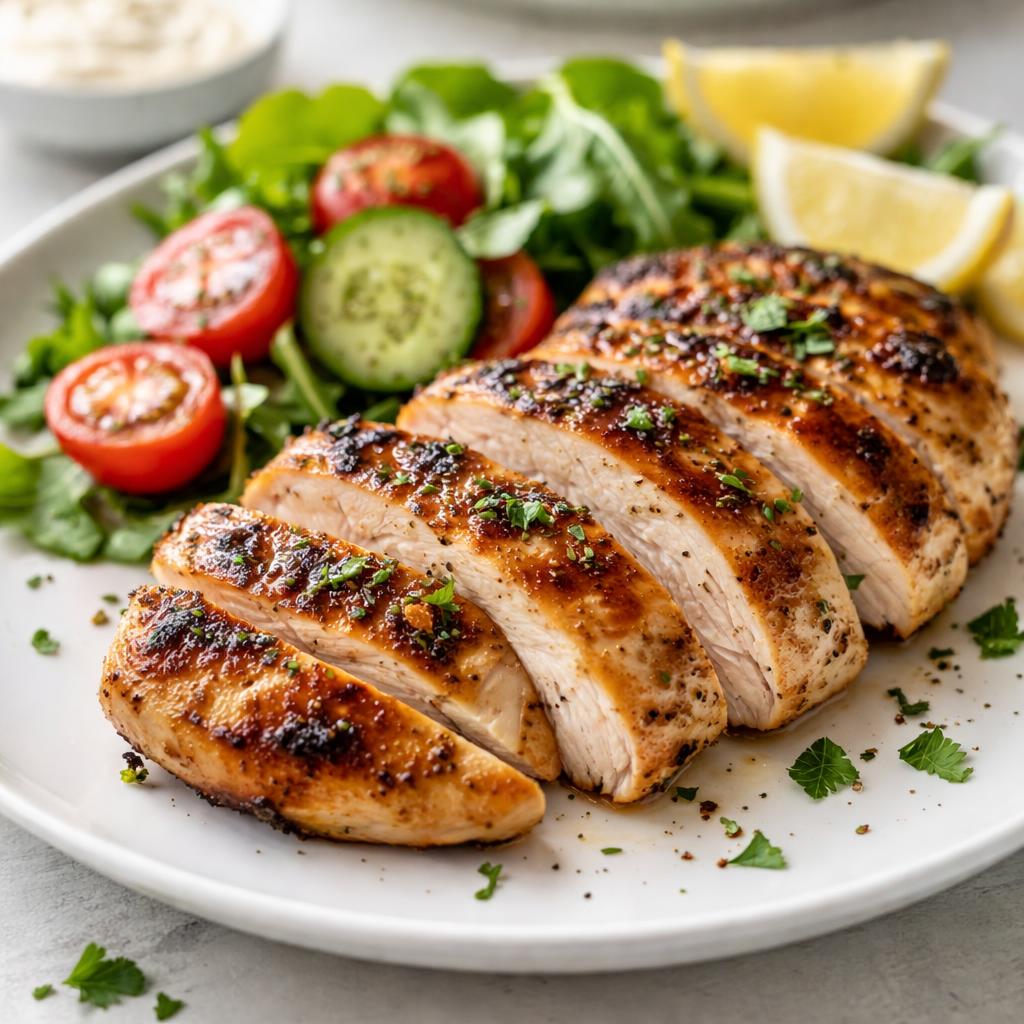
Chicken
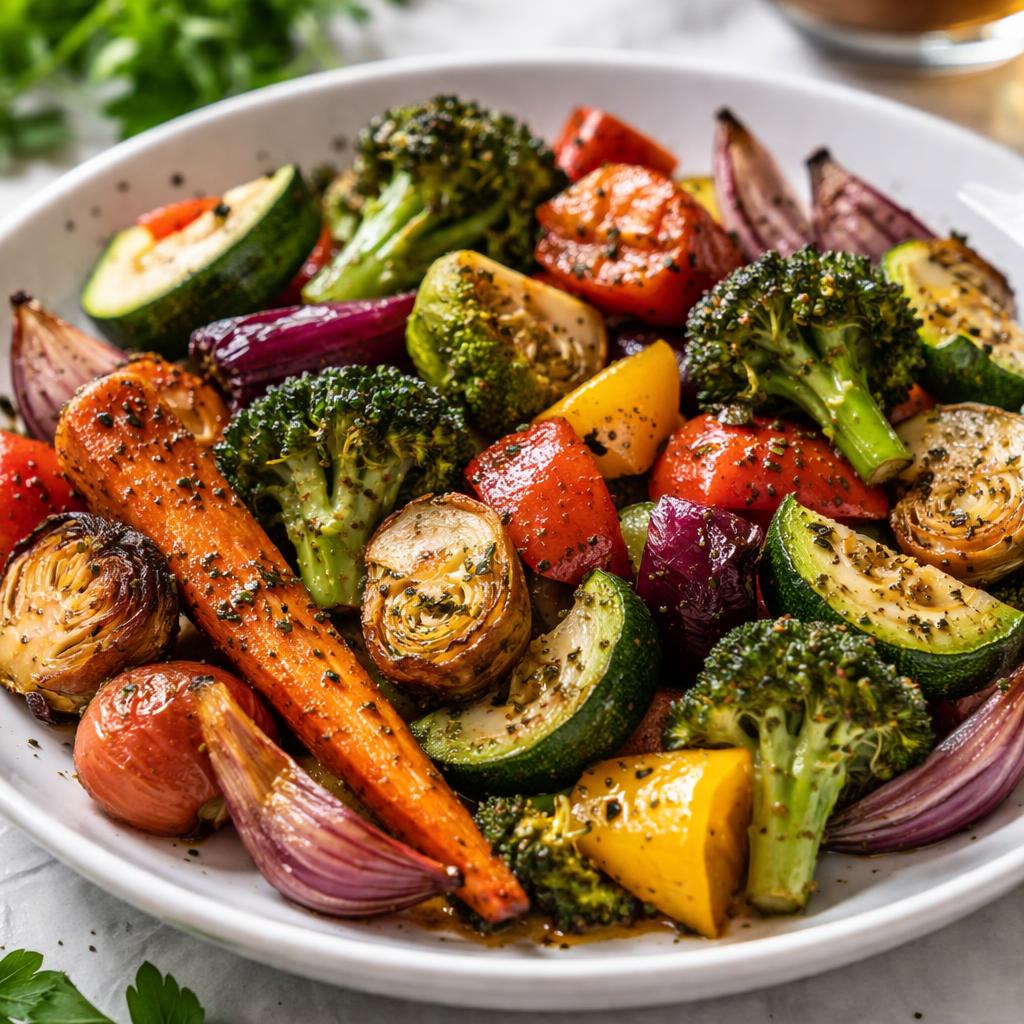
Roasted Vegetables
🎯 Quick Verdict
Chicken is a protein-rich option with fewer calories, making it ideal for muscle-building and weight loss diets. Roasted vegetables provide more fiber and minerals, making them better suited for maintaining digestive health and supporting heart health. Both are excellent choices, depending on your dietary goals and lifestyle needs.

Smart Nutrition Tracking with SnapCalorie

📊 Nutritional Comparison
Macronutrients
| Nutrient | Food 1 | Food 2 | Winner |
|---|---|---|---|
| Calories | 165 | 80 | ✓ |
| Protein | 31g | 2g | ✓ |
| Carbs | 0g | 12g | ✓ |
| Fat | 3.6g | 5g | ✓ |
| Fiber | 0g | 4g | ✓ |
Vitamins & Minerals
| Nutrient | Food 1 | Food 2 | Winner |
|---|---|---|---|
| Vitamin A | 16IU | 900IU | ✓ |
| Vitamin C | 0mg | 20mg | ✓ |
| Iron | 1mg | 1.8mg | ✓ |
| Calcium | 13mg | 40mg | ✓ |
🏆 Category Winners
Protein
Chicken contains 31g protein per serving versus 2g in roasted vegetables.
Fiber
Roasted vegetables provide 4g fiber while chicken has no fiber.
Calories
Roasted vegetables have fewer calories (80) compared to chicken (165).
Vitamins
Roasted vegetables are richer in vitamin A, C, calcium, and iron compared to chicken.
🥗 Diet Compatibility
Keto
Food 1: Compatible
Food 2: Compatible
Both are low in net carbs.
Vegan
Food 1: Not Compatible
Food 2: Compatible
Chicken is animal-based, while roasted vegetables are plant-based.
Gluten Free
Food 1: Compatible
Food 2: Compatible
Neither food contains gluten.
Paleo
Food 1: Compatible
Food 2: Compatible
Both fit into a whole-food, paleo approach.
Low-Carb
Food 1: Compatible
Food 2: Compatible
Chicken has 0g carbs and roasted vegetables have moderate carbs (12g).
💪 Health Benefits Comparison
Food 1 Benefits
- High protein content supports muscle growth and repair.
- Low carb and low fat content aids in weight loss or maintenance.
- Rich source of essential nutrients like B vitamins.
Food 2 Benefits
- High in fiber, promoting healthy digestion and gut health.
- Rich in antioxidants from vitamins A and C, supporting immune function.
- Good source of minerals like calcium and iron for bone and blood health.
✅ The Bottom Line
Choose chicken when prioritizing protein and calorie control, particularly for muscle building or post-workout recovery. Pick roasted vegetables for added fiber, vitamins, and overall nutrient density, perfect for digestive health or filling out a balanced diet. Both complement each other well in mixed meals like salads or stir-fries.
Choose Food 1 for: Weight loss, high-protein diets, post-workout recovery
Choose Food 2 for: Heart health, digestive health, nutrient-rich vegetarian meals


