Chicken VS Peanuts
A detailed nutritional comparison
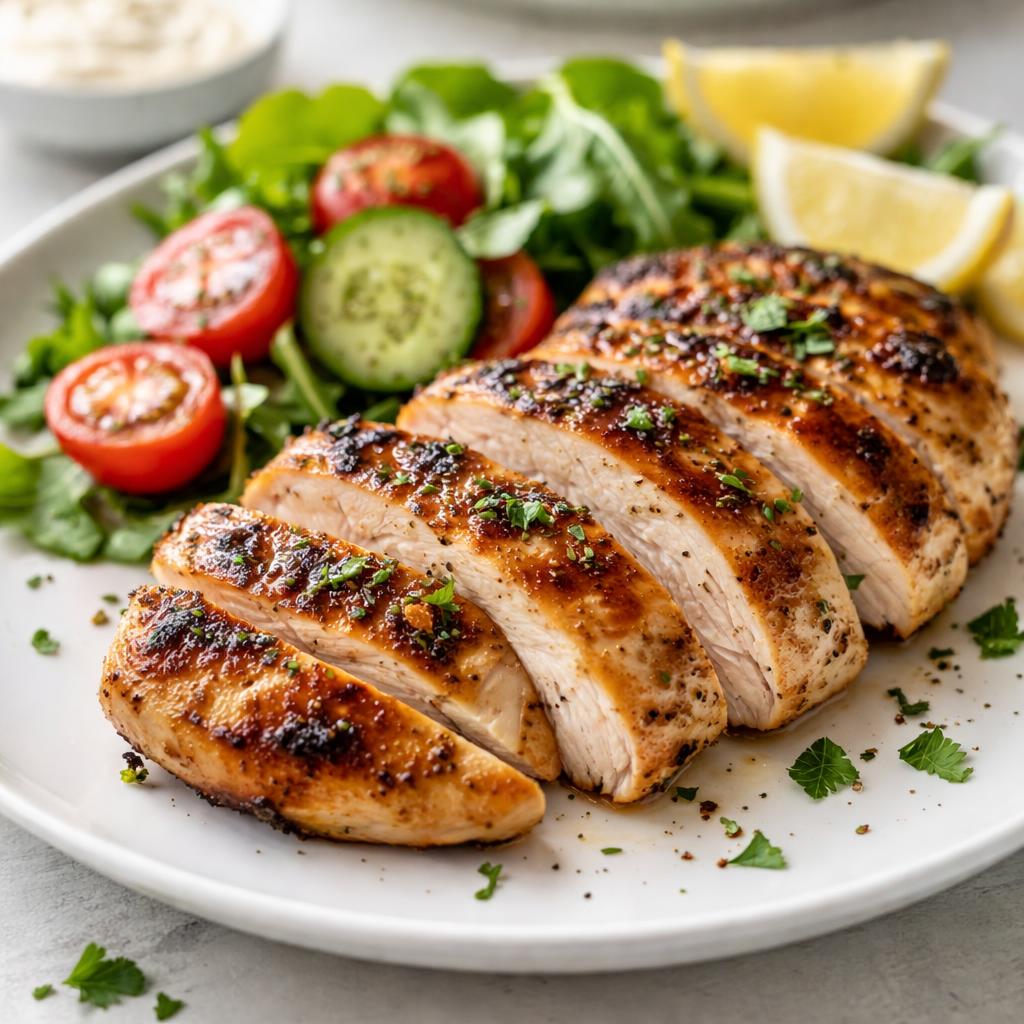
Chicken
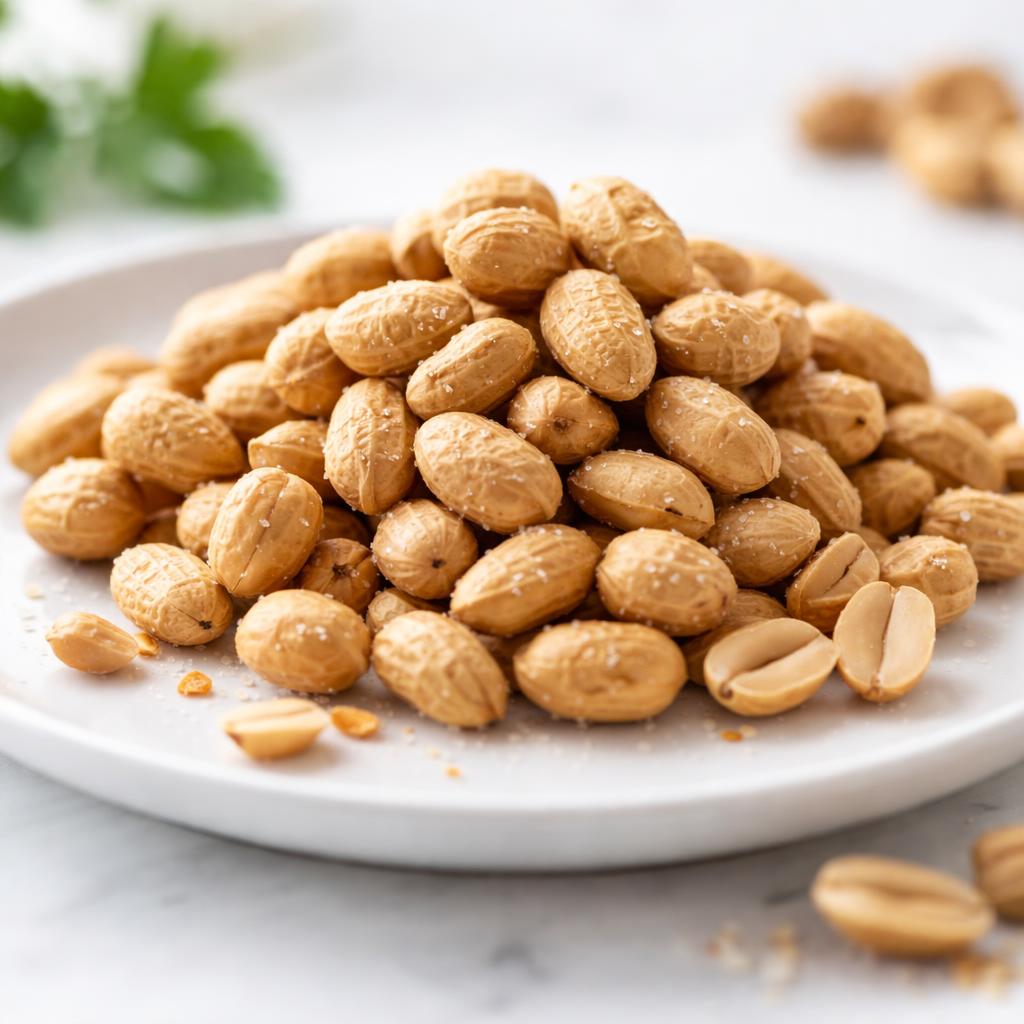
Peanuts
🎯 Quick Verdict
Chicken is higher in protein and lower in calories, making it a great option for muscle-building and weight management. Peanuts, on the other hand, are packed with healthy fats, fiber, and micronutrients like magnesium, which are beneficial for heart health and sustained energy. Both foods serve distinct dietary purposes and can be incorporated into various meal plans effectively.

Smart Nutrition Tracking with SnapCalorie

📊 Nutritional Comparison
Macronutrients
| Nutrient | Food 1 | Food 2 | Winner |
|---|---|---|---|
| Calories | 165 (per 100g) | 567 (per 100g) | ✓ |
| Protein | 31g (per 100g) | 25.8g (per 100g) | ✓ |
| Carbs | 0g | 16.1g | ✓ |
| Fat | 3.6g | 49.2g | ✓ |
| Fiber | 0g | 8.5g | ✓ |
Vitamins & Minerals
| Nutrient | Food 1 | Food 2 | Winner |
|---|---|---|---|
| Vitamin B6 | 0.6mg (per 100g) | 0.3mg (per 100g) | ✓ |
| Magnesium | 27mg | 168mg | ✓ |
| Iron | 1.3mg | 4.6mg | ✓ |
| Vitamin D | 0.4mcg | 0mcg | ✓ |
🏆 Category Winners
Protein
Chicken contains approximately 20% more protein per serving compared to peanuts.
Fiber
Peanuts provide 8.5g of fiber per serving, while chicken contains no fiber.
Calories
Chicken is significantly lower in calories compared to peanuts, with only 165 calories per 100g versus 567 calories.
Vitamins
Peanuts have higher levels of magnesium and iron, while chicken is superior in vitamin B6 and vitamin D.
🥗 Diet Compatibility
Keto
Food 1: Compatible
Food 2: Compatible
Both have low carbohydrate content but support different macronutrient needs.
Vegan
Food 1: Not Compatible
Food 2: Compatible
Chicken is an animal product, while peanuts are plant-based.
Gluten Free
Food 1: Compatible
Food 2: Compatible
Neither food contains gluten.
Paleo
Food 1: Compatible
Food 2: Not Compatible
Chicken fits paleo guidelines, while peanuts (legumes) do not.
Low-Carb
Food 1: Compatible
Food 2: Compatible
Chicken contains zero carbohydrates, while peanuts have moderate carbs but are still low-carb friendly.
💪 Health Benefits Comparison
Food 1 Benefits
- Rich in high-quality protein for muscle development and repair
- Low calorie content makes it ideal for weight management
- Excellent source of vitamin B6, supporting brain and mood health
Food 2 Benefits
- Packed with heart-healthy fats (mostly monounsaturated fats)
- Rich in dietary fiber for improved digestion and gut health
- High magnesium content promotes bone strength and cardiovascular health
✅ The Bottom Line
Choose chicken for a low-calorie, high-protein option perfect for weight loss and fitness goals. Opt for peanuts as a nutrient-dense, fiber-rich food ideal for heart health and sustained energy. Both can complement different dietary needs and play important roles in a balanced diet.
Choose Food 1 for: Weight loss, high-protein diets, post-workout recovery
Choose Food 2 for: Heart health, sustained energy, nutrient density in snacks


